


News

June 1, 2020
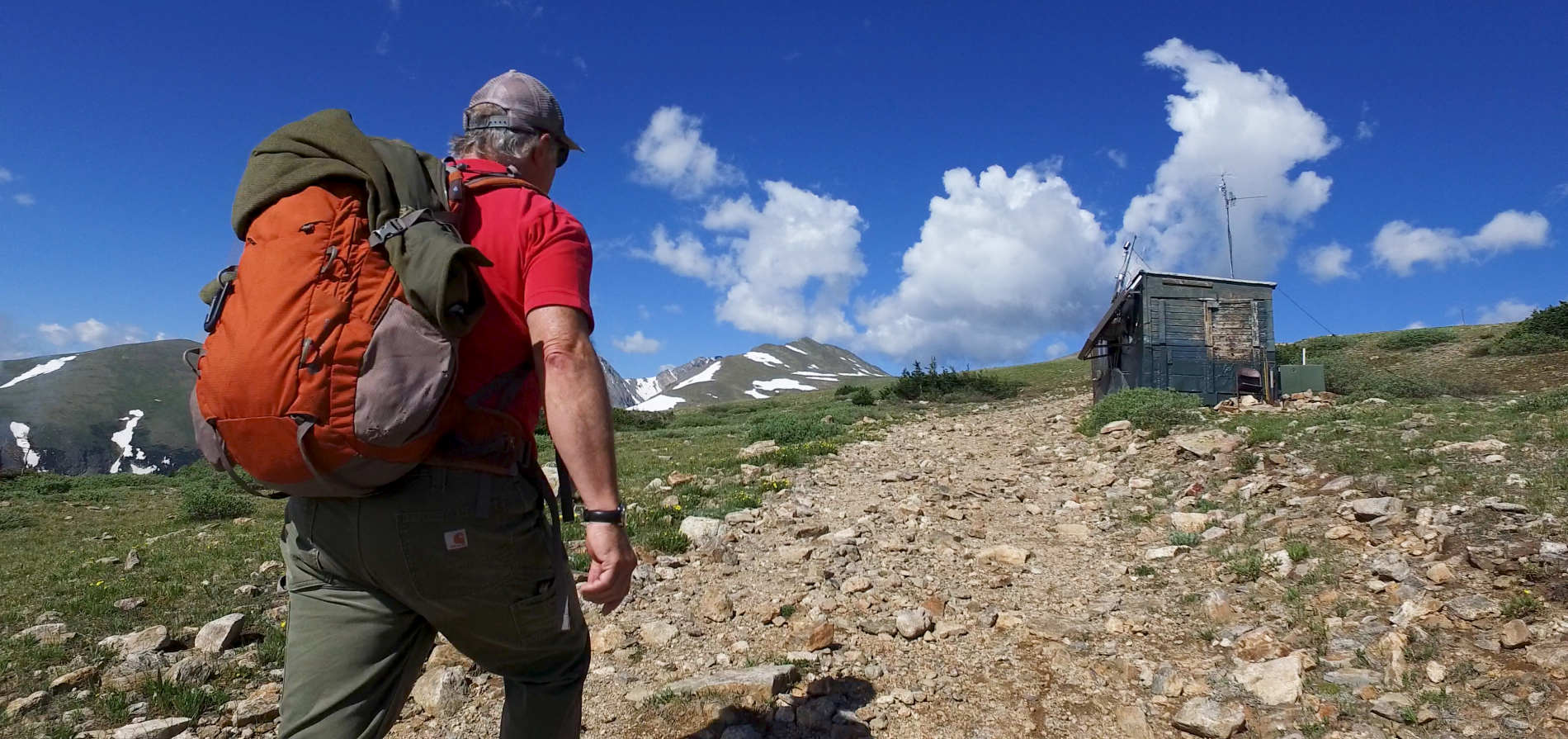
Tracking fossil fuel emissions with carbon-14
Researchers from NOAA and the University of Colorado Boulder have devised a breakthrough method for estimating national emissions of carbon dioxide from fossil fuels using ambient air samples and a well-known isotope of carbon that scientists have relied on for decades to date archaeological sites.
May 29, 2020
NOAA marks 40 years of ballon-borne water vapor measurements
In April 2020, the Global Monitoring Laboratory’s measurement record of upper atmospheric water vapor over Boulder, Colorado, surpassed 40 years in length.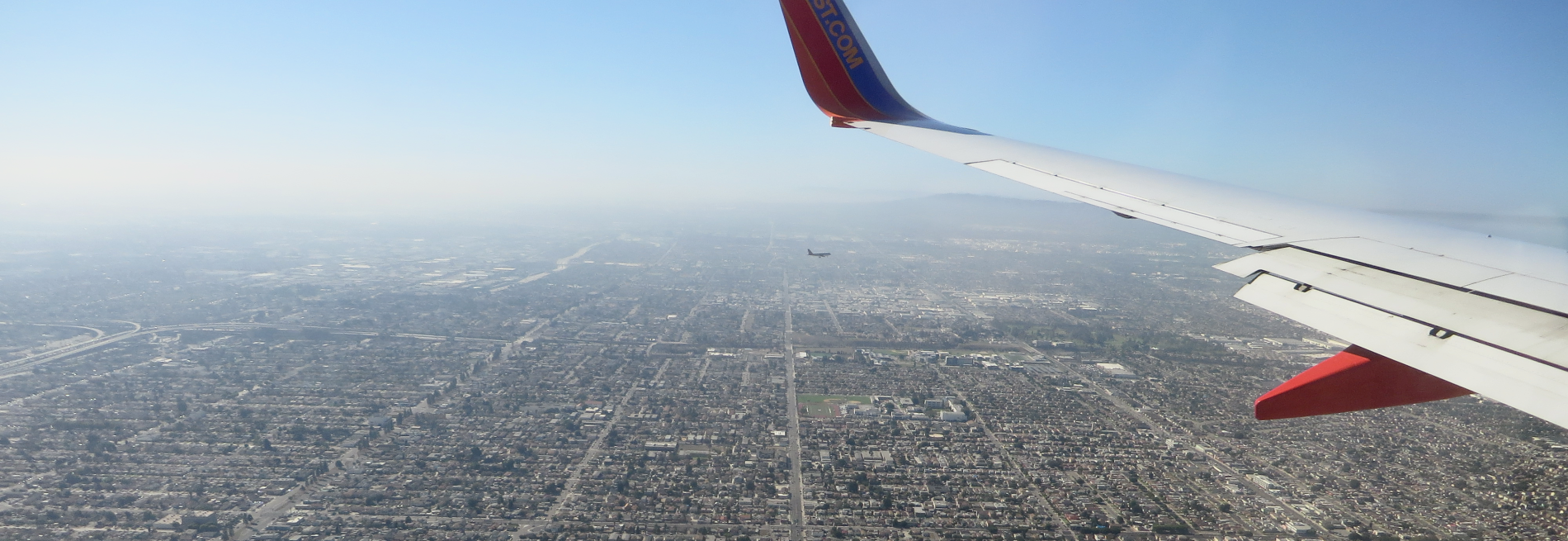
May 29, 2020
Warming influence of greenhouse gases continues to rise, NOAA finds
Record high levels of greenhouse gas pollution continued to increase the heat trapped in the atmosphere in 2019, according to an annual analysis released by NOAA scientists.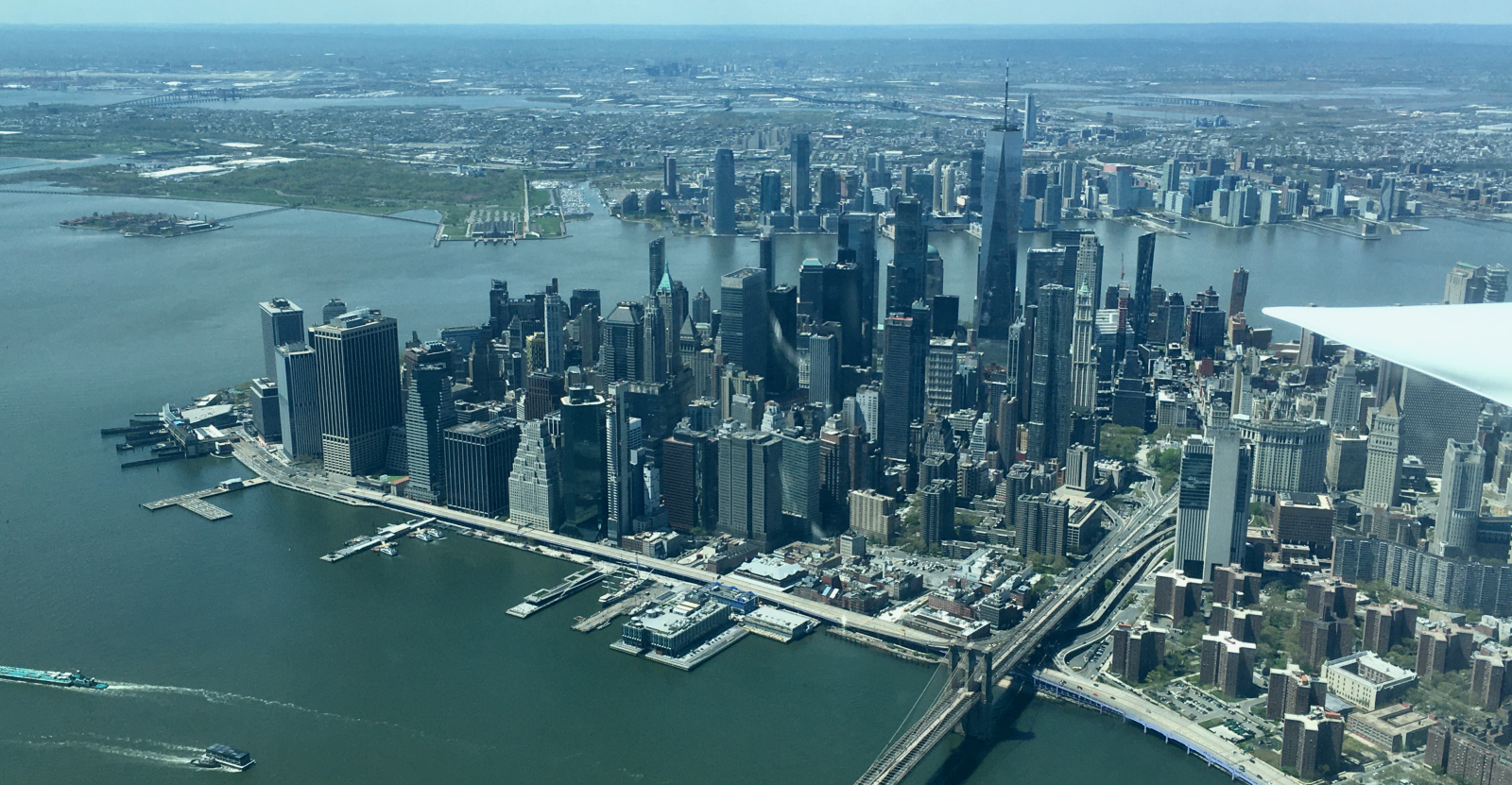
May 6, 2020
NOAA exploring impact of COVID-19 response on the environment
NOAA has launched a wide-ranging research effort to investigate the impact of reduced vehicle traffic, air travel, shipping, manufacturing and other activities on Earth’s atmosphere and oceans.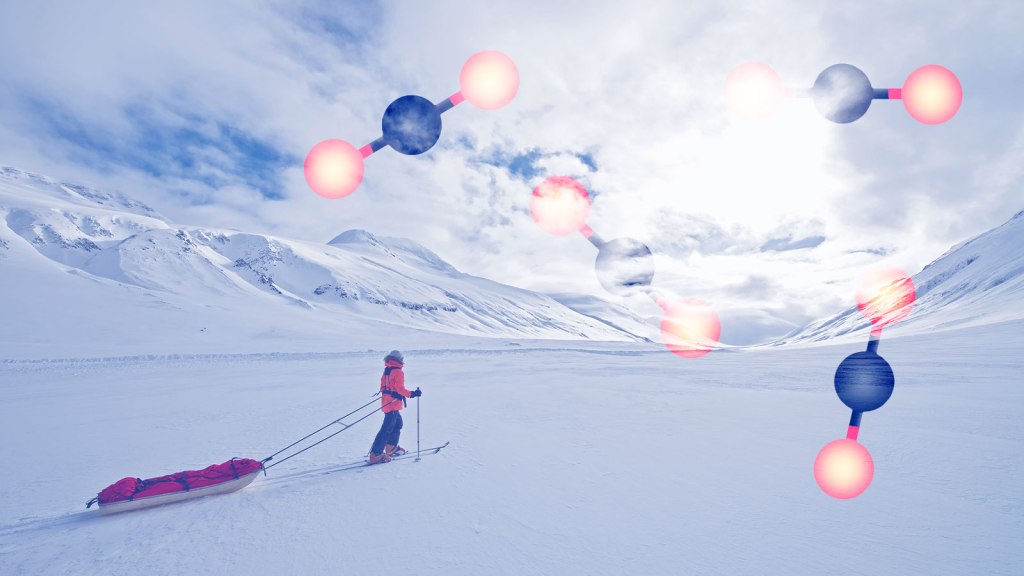
April 28, 2020
How to collect climate data during coronavirus? Strap on your skis.
The COVID-19 pandemic is taking a toll on science, but some research has kept going through it all, including a National Oceanic and Atmospheric Administration–led effort to keep tabs on the amount of carbon dioxide in Earth’s atmosphere.
April 10, 2020
New lab and program names highlight critical NOAA work
Several of the labs and programs that make up NOAA Oceanic and Atmospheric Research are getting new names to better reflect their mission and contributions, thanks to a newly-announced reorganization effort.
November 14, 2019
ESRL Scientists Receive Colorado Governor's Award for High-Impact Research
NOAA scientists in the ESRL Global Monitoring and Chemical Sciences Divisions and CIRES at the University of Colorado Boulder receive a 2019 Colorado Governor's Award for High-Impact Research.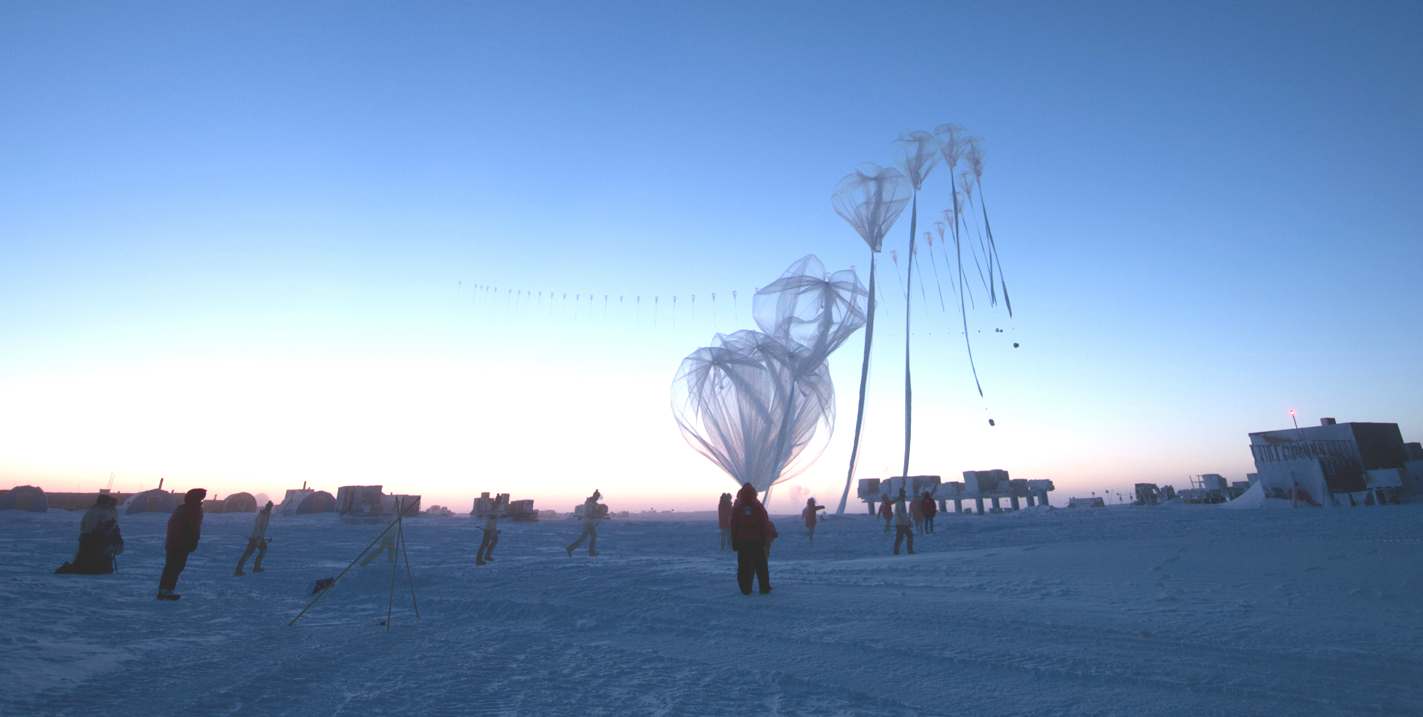
October 21, 2019
2019 ozone hole smallest on record
Abnormal weather patterns in the upper atmosphere over Antarctica dramatically limited ozone depletion in September and October, resulting in the smallest ozone hole observed since 1982.
July 22, 2019
Airborne research shows East Coast cities emitting twice as much methane as estimated
A new NOAA and University of Michigan study using an instrumented airplane has found unexpectedly large emissions over five major cities along the East Coast - twice the total amount of methane and almost 10 times the amount estimated from natural gas.June 5, 2019
Surprisingly large carbon uptake by North American biosphere during El Niños
New analysis of NOAA’s long-term air samples by NOAA and CIRES scientists finds that the North American terrestrial biosphere takes up unexpectedly large amounts of carbon in response to elevated carbon dioxide levels during El Niño years.June 4, 2019
Carbon dioxide levels hit record peak in May
Atmospheric carbon dioxide continued its rapid rise in 2019, with the average for May peaking at 414.7 parts per million at NOAA’s Mauna Loa Atmospheric Baseline Observatory, scientists from NOAA and Scripps Institution of Oceanography at the University of California San Diego announced today.
May 22, 2019
Who’s the source of a banned ozone-destroying chemical?
NOAA scientist Stephen Montzka and colleagues announced in 2018 that emissions of an ozone-destroying chemical responsible for creating the Antarctic ozone hole were unexpectedly rising again. A new study published in Nature reports that since 2013, about 7,000 more metric tons of the banned chlorofluorocarbon CFC-11 have been emitted each year from eastern China than were emitted between 2008 and 2012, on average.May 21, 2019
Former NOAA employee Christina Koch greets NOAA from the International Space Station
It's not every day you get a message from space. But on May 21, former NOAA employee Christina Koch greeted attendees at NOAA's 47th Global Monitoring Annual Conference from the International Space Station.May 21, 2019
Rising emissions drive Greenhouse Gas Index increase
Record levels of greenhouse gas pollution continued to increase humanity’s impact on the atmosphere’s heat-trapping capacity during 2018, according to a yearly analysis released by NOAA scientists.May 15, 2019
US methane emissions flat since 2006 despite increased oil and gas activity: study
Natural gas production in the United States has increased 46 percent since 2006, but there has been no significant increase of total US methane emissions and only a modest increase from oil and gas activity, according to a new NOAA study.