


News


March 22, 2019
Global carbon dioxide growth in 2018 reached 4th highest on record
By the end of 2018, NOAA’s atmospheric observatory at Mauna Loa recorded the fourth-highest annual growth in the concentration of atmospheric carbon dioxide (CO2) in 60 years of record-keeping.November 2, 2018
Ozone hole modest despite conditions ripe for depletion
The ozone hole that forms in the upper atmosphere over Antarctica each September was slightly above average size in 2018, NOAA and NASA scientists reported today.October 31, 2018
Study sheds light on persistent gap in natural gas methane emissions measurements
It’s a question that’s puzzled policymakers, researchers and regulatory agencies for years: How much methane is being emitted from natural gas operations across the U.S.? And why have the two main estimation methods applied across U.S. oil and gas basins always seem to disagree?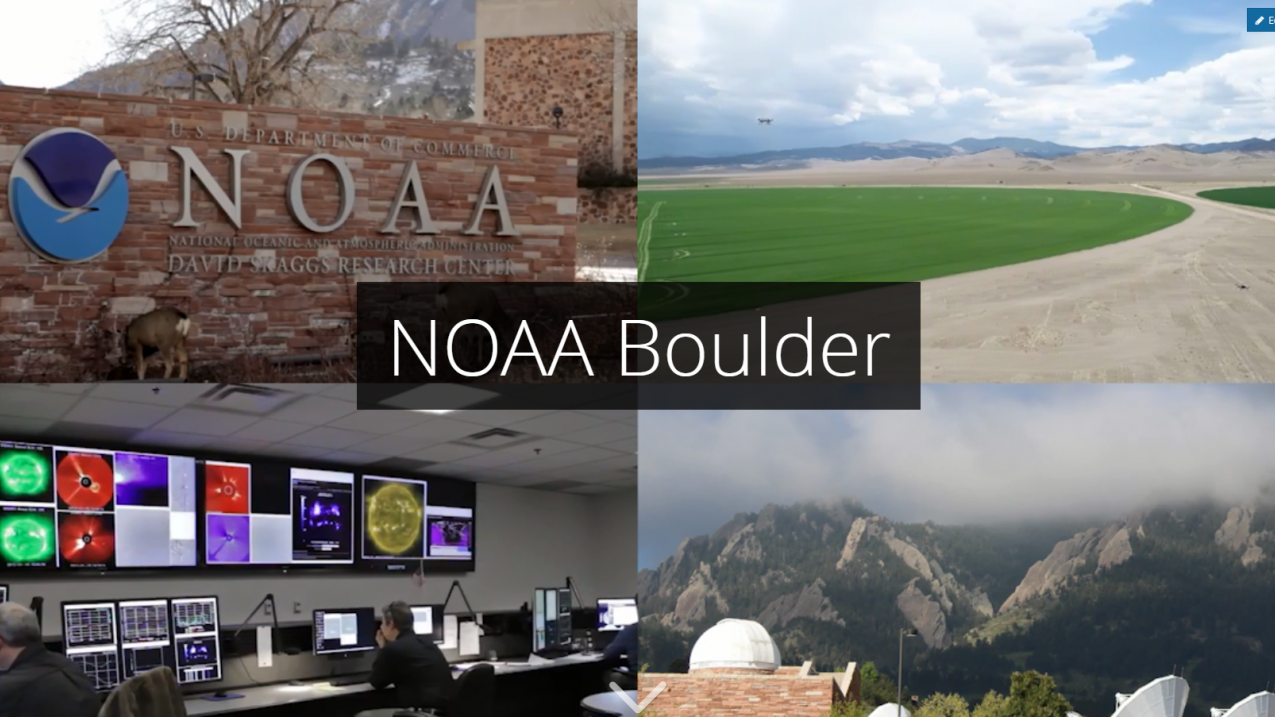
October 3, 2018
Story map: NOAA Boulder
From the foothills of the Rockies, NOAA’s pioneering science, life-saving products, and enduring contributions to America’s economy have enormous impact.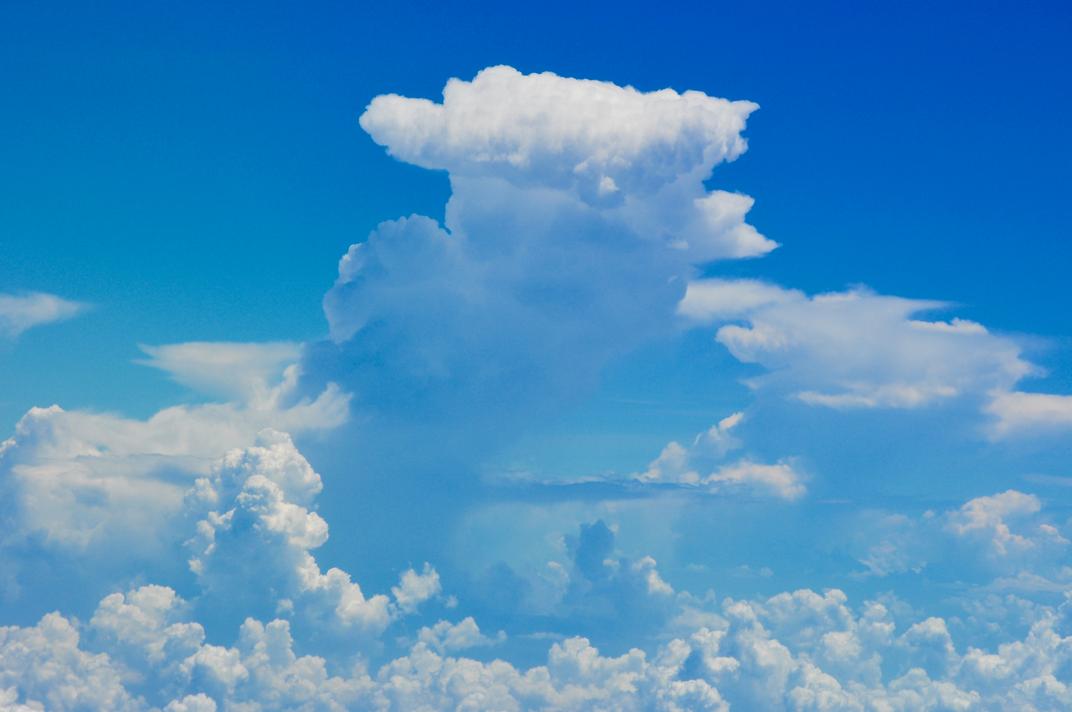
October 1, 2018
After a 20 Year hiatus, GMD scientists will return to sampling the stratosphere with the NASA ER-2 aircraft
An airborne project with NOAA and CIRES instrument investigators in the Global Monitoring Division was selected for five-year funding starting in 2020 through 2025 from the NASA Earth Venture Suborbital-3 program (EVS-3).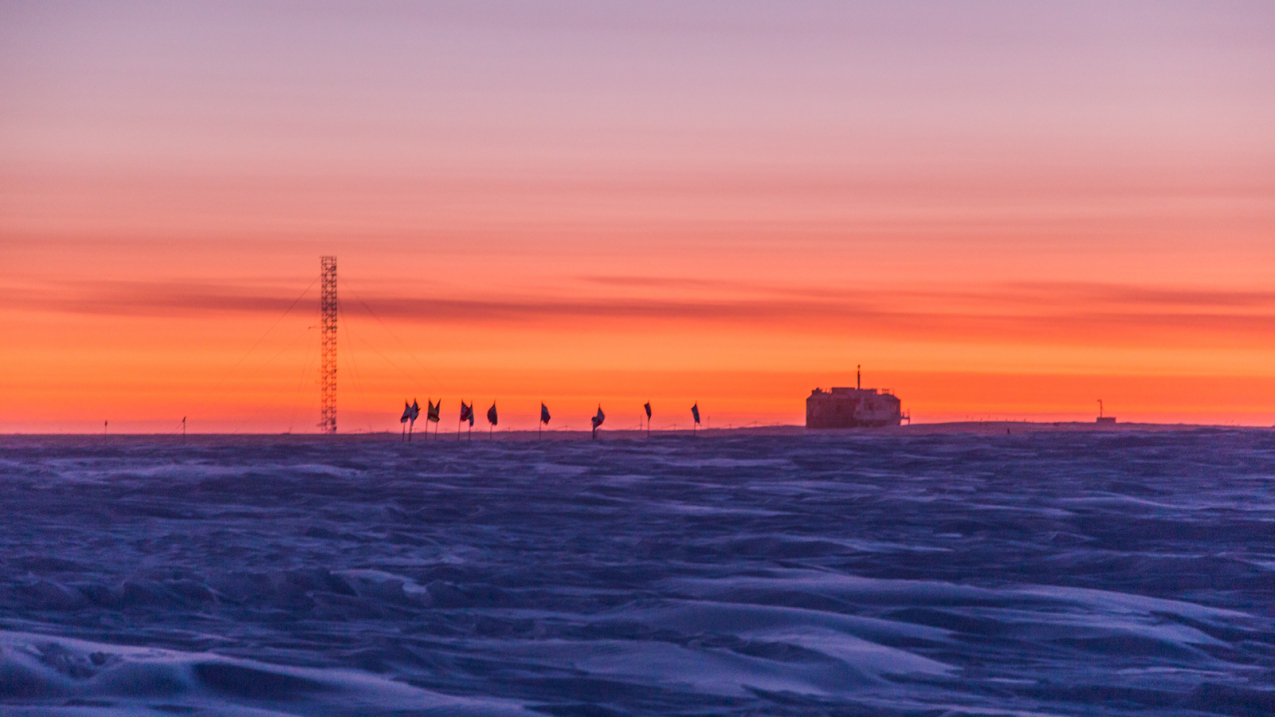
September 28, 2018
Photo feature: A ‘welcoming’ sun returns to the South Pole
The fall equinox means the end of summer for the Northern Hemisphere, but marks the beginning of spring — and the first glimpse of the sun since March — for scientists at NOAA’s South Pole Atmospheric Baseline Observatory located at the Amundsen-Scott South Pole Research Station.
August 14, 2018
Stephen Montzka named AGU Fellow
GMD's Stephen Montzka was named an AGU Fellow for the Class of 2018. The American Geophysical Union will honor the Fellows at its fall meeting in Washington, D.C.June 7, 2018
Another climate milestone on Mauna Loa
Carbon dioxide levels measured at NOAA’s Mauna Loa Atmospheric Baseline Observatory averaged more than 410 parts per million in April and May, the highest monthly averages ever recorded, scientists from NOAA and Scripps Institution of Oceanography at the University of California San Diego announced today.May 30, 2018
NOAA’s greenhouse gas index up 41 percent since 1990
NOAA’s Annual Greenhouse Gas Index, which tracks the warming influence of long-lived greenhouse gases, has increased by 41 percent from 1990 to 2017, up 1 percent from 2016 -- with most of that attributable to rising carbon dioxide levels.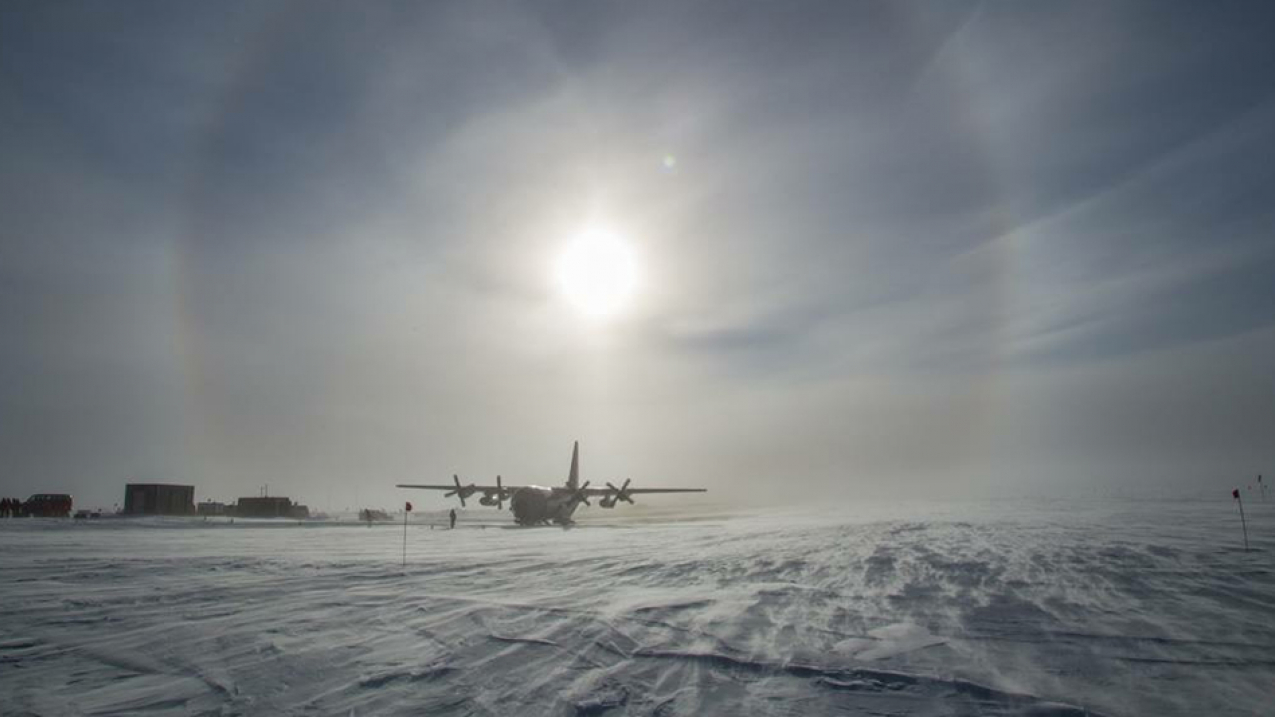
February 23, 2018
Featured photo: Last call at the South Pole, for now
As hints of spring appear across the United States, NOAA’s first all-women crew at the South Pole atmospheric observatory are half a world away, ready for Antarctica’s brutal, six-month polar night.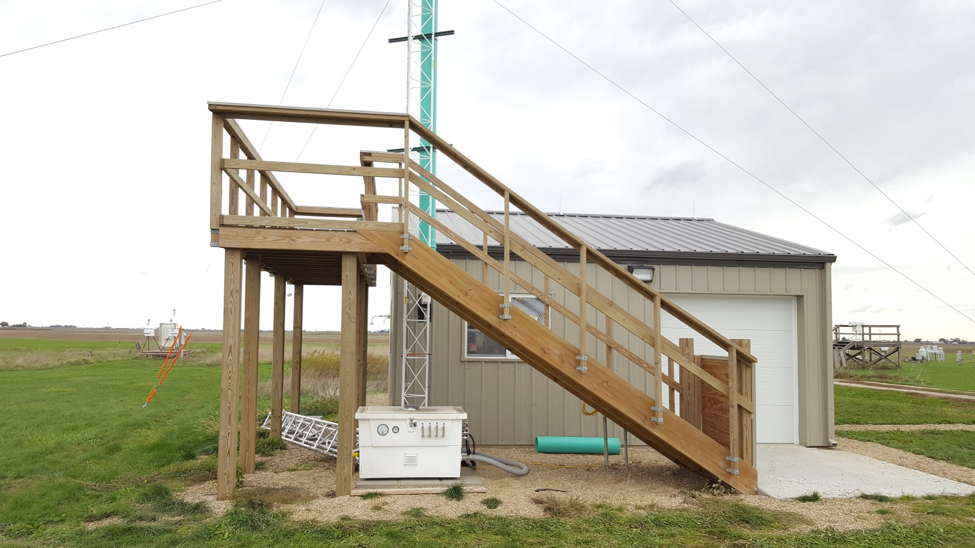
December 15, 2017
Move of Bondville, IL Aerosol System to New Facility
Aerosol measurements have been made by the NOAA/ESRL Global Monitoring Division (GMD) at the Bondville Environmental and Atmospheric Research Site (BEARS) since June of 1994. In late October of 2017, the GMD aerosol monitoring system was moved from the aging, uninsulated sea container to a new temperature-controlled building about 80 meters away.
September 27, 2017
South Pole sees first sunrise in 6 months with arrival of spring
The fall equinox signals the coming of winter for the Northern Hemisphere, but heralds the arrival of spring — and the first sunrise since March — for researchers at NOAA’s South Pole Atmospheric Baseline Observatory.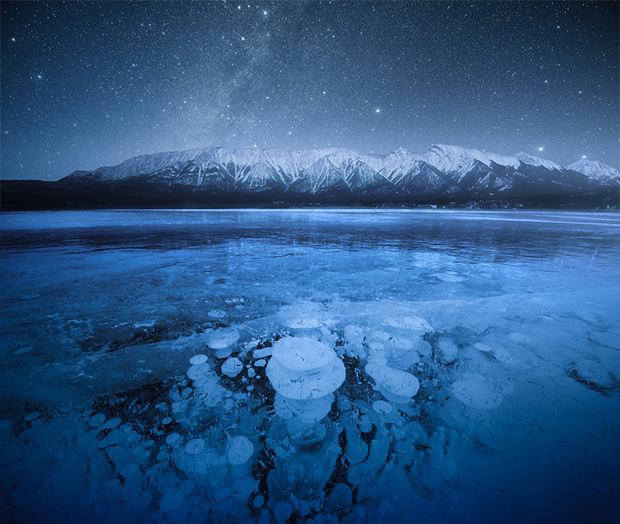
July 12, 2017
After 2000-era plateau, global methane levels hitting new highs
Following a plateau in the early 2000s, global concentrations of the powerful greenhouse gas methane have hit new highs in recent years. Chemical fingerprint tests seem to rule out a major role for fossil fuels. With more than half a dozen possible natural and human sources, how will scientists figure out where it's coming from?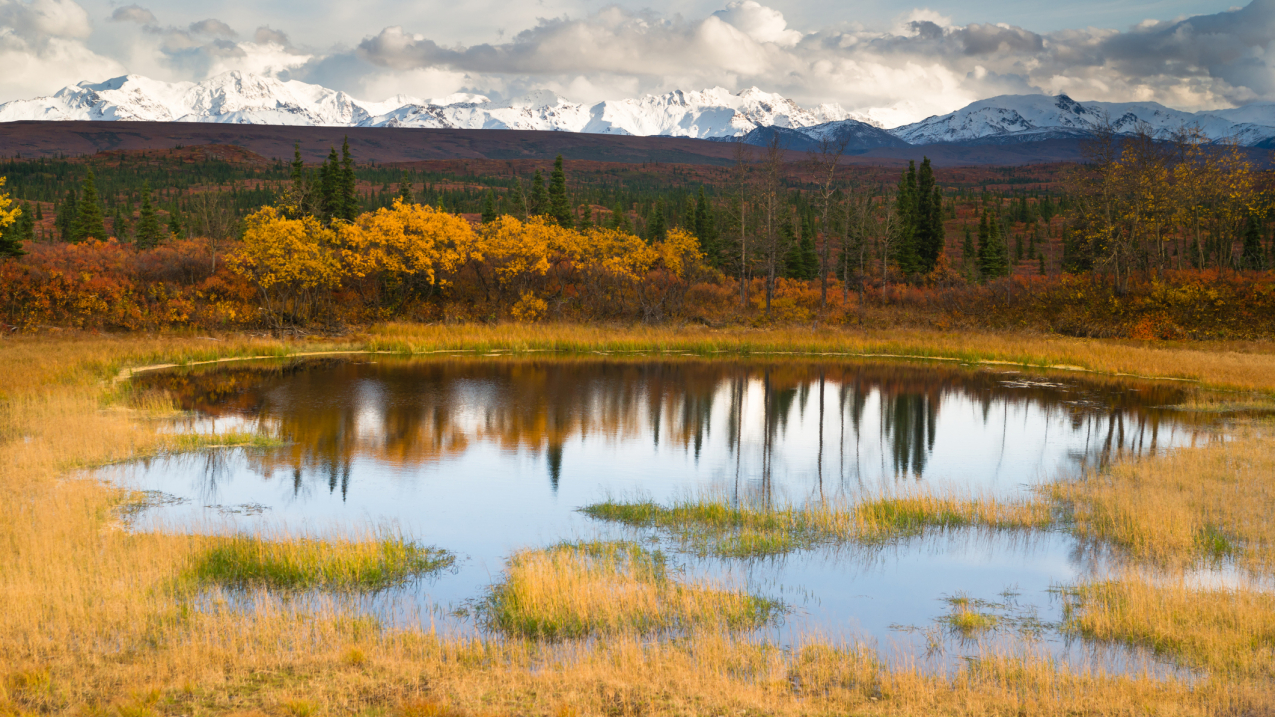
June 12, 2017
As Alaska's North Slope warms, greenhouse gases have nowhere to go but up
The amount of carbon dioxide (CO2) being released from tundra in the northern region of Alaska during early winter has increased 70 percent since 1975, according to a new regional climate paper by scientists participating in a research project funded by NOAA and NASA.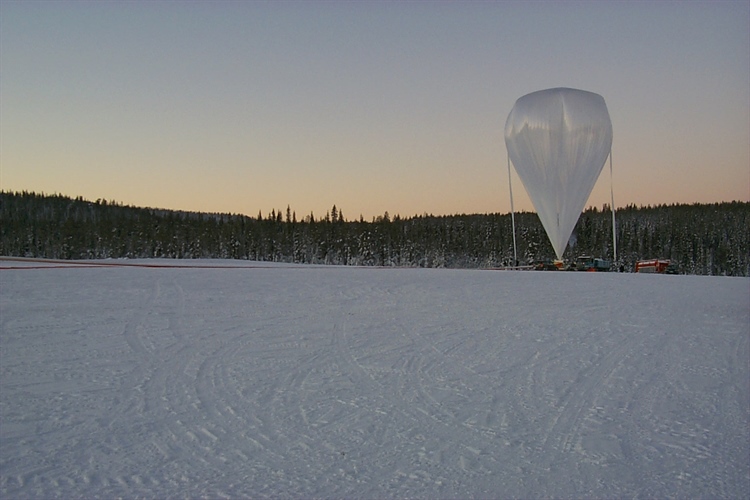
May 2, 2017
Study published on reduced lifetime for a future strong greenhouse gas
NOAA/ESRL scientists and their colleagues at the University of East Anglia, Utrecht University, and NCAR calculated an atmospheric lifetime of the trace gas, sulfur hexafluoride (SF6), based on measurements in the polar stratospheric vortex and modeled transport into the stratosphere.