


News


April 14, 2017
Watch a weather balloon explode 100,000 feet high in the atmosphere
Patrick Cullis of the GMD Ozone and Water Vapor Group, created a video of a weather balloon bursting, posted at Washington Post.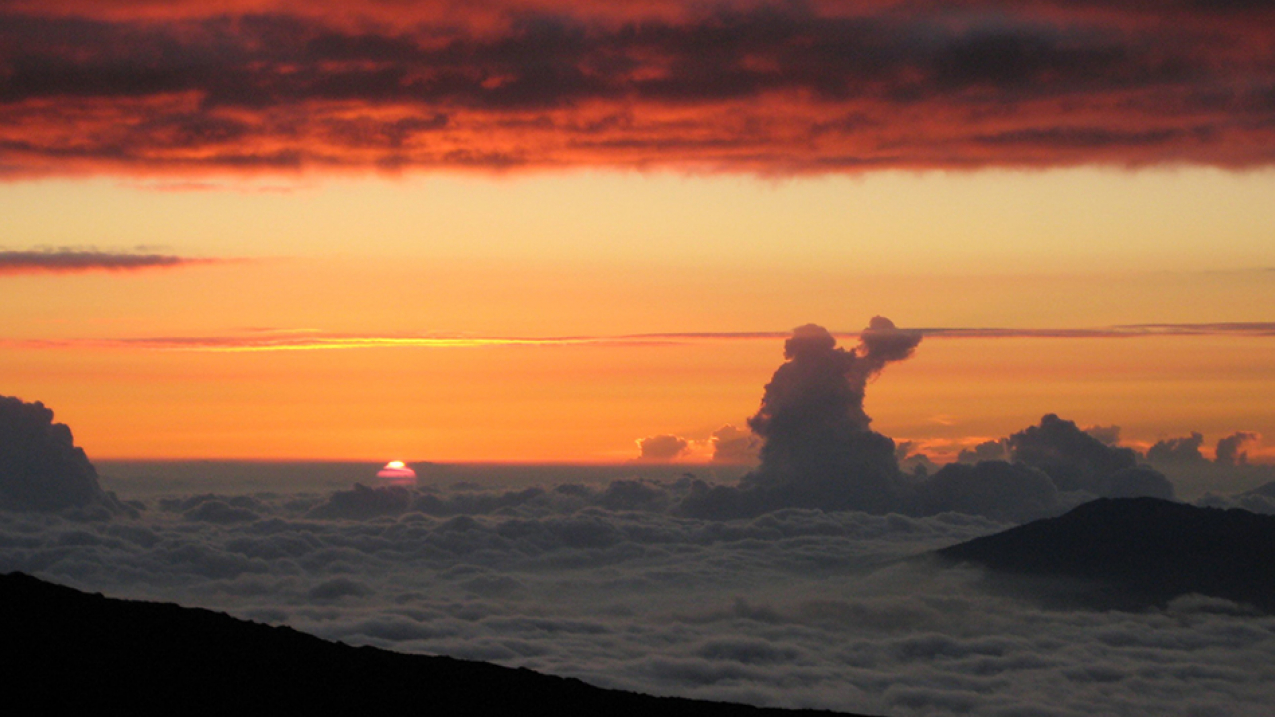
March 13, 2017
Carbon dioxide levels rose at record pace for 2nd straight year
Carbon dioxide levels measured at NOAA’s Mauna Loa Baseline Atmospheric Observatory rose by 3 parts per million to 405.1 parts per million (ppm) in 2016, an increase that matched the record jump observed in 2015.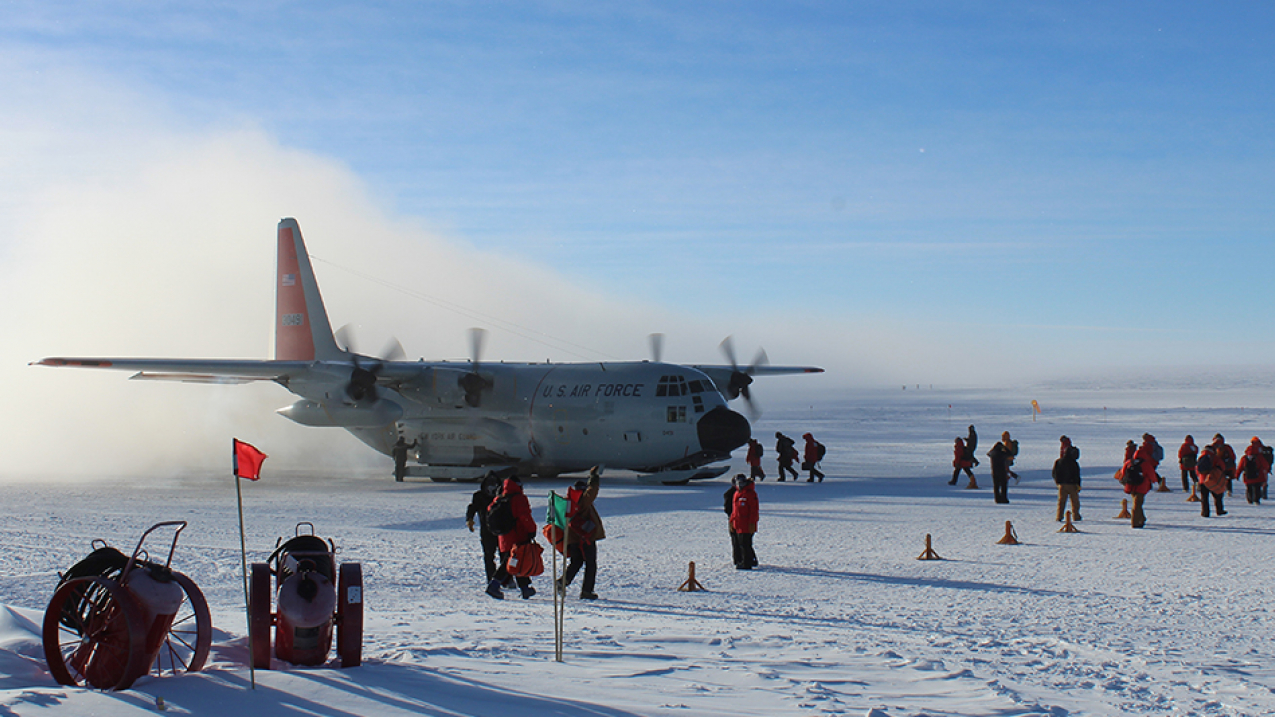
February 23, 2017
Photo: Last flight from the South Pole
As winter closes in, flights to the international research compound are suspended for the long Antarctic winter.
February 17, 2017
Unprecedented Arctic weather has scientists on edge
As station chief at NOAA’s Point Barrow, Alaska, observatory, Bryan Thomas works close to the edge of the Arctic Ocean. What he saw from his office in early February, looking north toward the horizon, was troubling.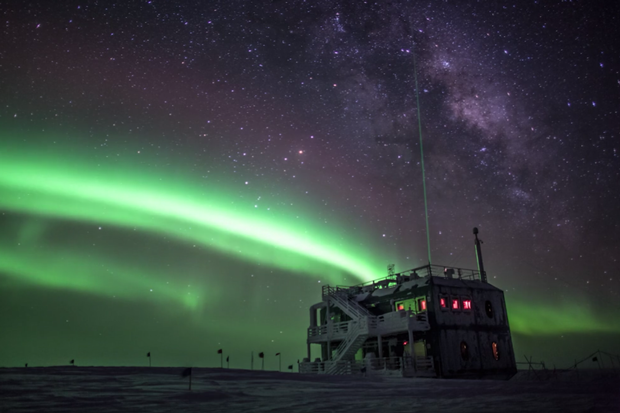
October 12, 2016
4 ways the ozone hole is linked to climate, and 1 way it isn’t
To mark the peak of ozone hole season, we’re highlighting four ways that climate and the ozone hole are related—and one important way they aren’t.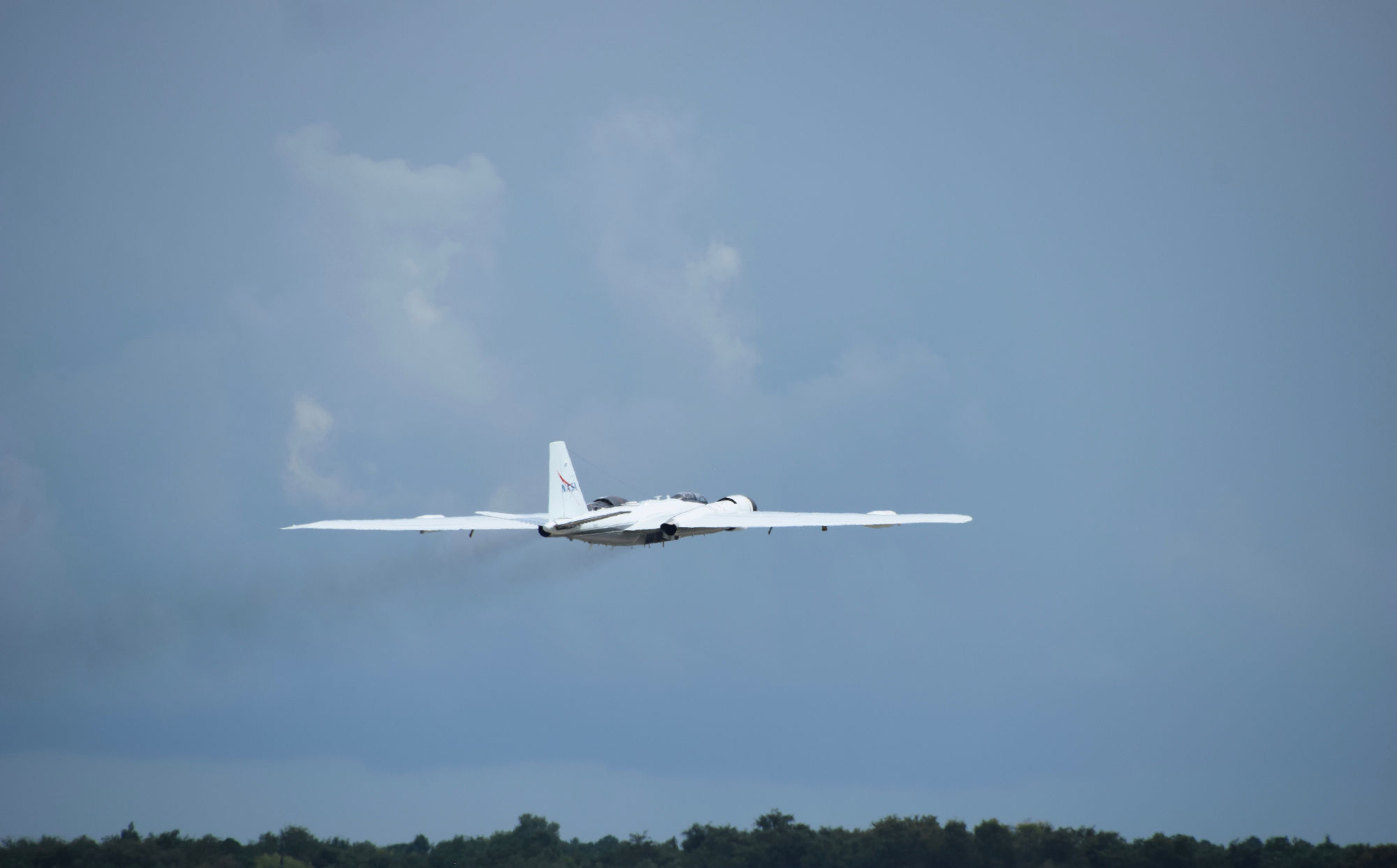
September 30, 2016
Pacific Oxidants, Sulfur, Ice, Dehydration, and cONvection (POSIDON) Experiment
The NASA Pacific Oxidants, Sulfur, Ice, Dehydration, and cONvection (POSIDON) Experiment is a focused airborne science mission to study the ozone distribution, sulfur chemistry, very short-lived ozone depleting species (VSLS), cloud microphysics, and dehydration in the tropical upper troposphere and lower stratosphere over the western Pacific.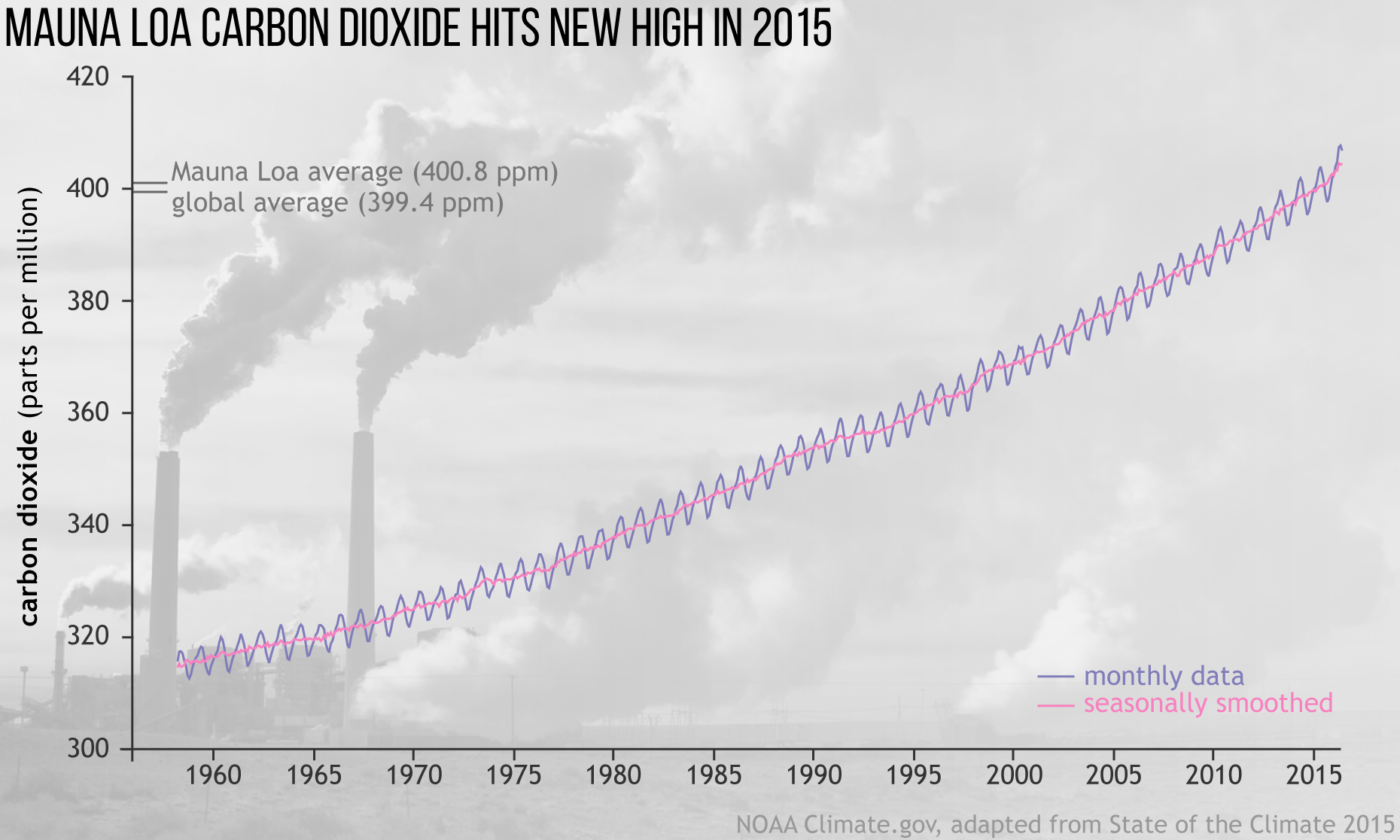
August 2, 2016
2015 State of the Climate: Carbon Dioxide
Using measurements taken worldwide, scientists estimated that 2015’s global average carbon dioxide concentration was 399.4 parts per million (ppm), a new record high. At Mauna Loa Observatory in Hawai’i, where atmospheric carbon dioxide has been recorded longer than anywhere else in the world, the annual average carbon dioxide concentration was 400.8—also a new record, and a new milestone.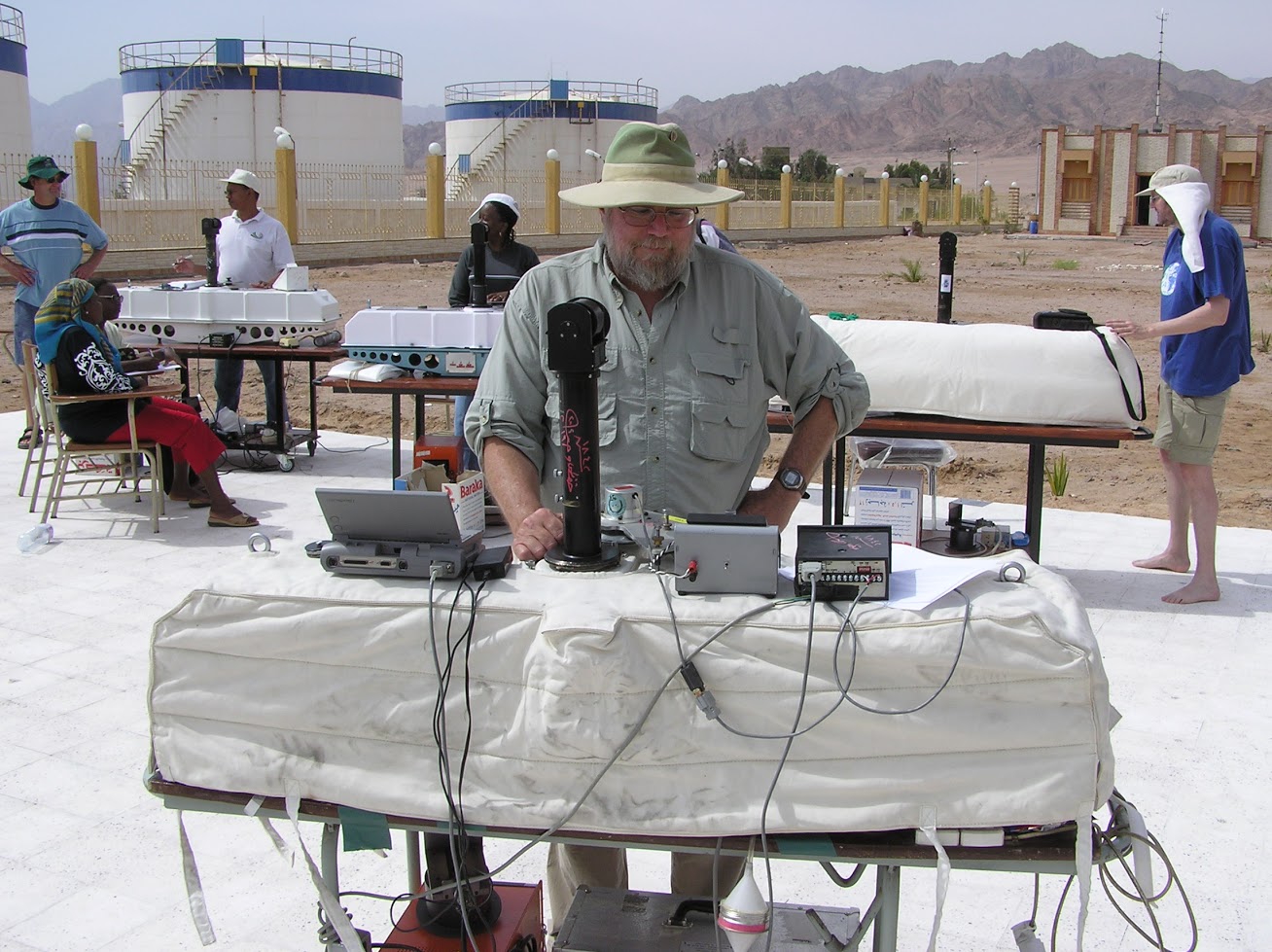
July 28, 2016
Robert (Bob) D. Evans of ESRL Global Monitoring Division receives the prestigious IO3C Farman Award Nomination
Robert (Bob) D. Evans of ESRL Global Monitoring Division receives the prestigious IO3C Farman Award Nomination For Sustaining a Long-term Inter-calibrated World-wide Dobson Total Ozone Observing Network. The "Joseph C. Farman Award" is granted to one or more outstanding scientists who have created and used high-quality, long-term time series of atmospheric measurements related to the study of atmospheric ozone and/or surface ultraviolet radiation.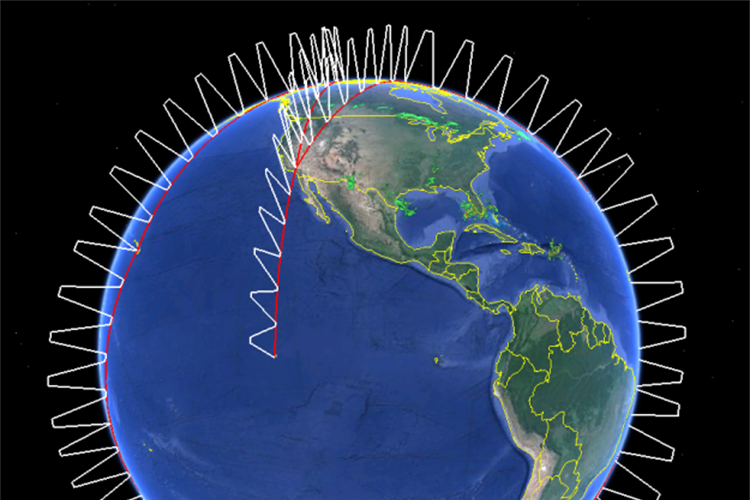
July 8, 2016
Atmospheric Tomography Mission (ATom)
The Atmospheric Tomography Mission (ATom) is a NASA-funded multi-agency effort using the NASA DC-8 research aircraft to systematically sample trace gases and aerosols from sea level to the stratosphere on 10 pole-to-pole flights covering the Atlantic and Pacific oceans over the next 3 years. ATom will study the impact of human-produced air pollution on greenhouse gases and on chemically reactive gases in the atmosphere with a focus on ozone, methane, and black carbon, as well as atmospheric particulate matter.
June 21, 2016
MLO Science Fair Awards
Every year MLO contributes to the local Science Fair event. This year Samantha Yamamoto & Maile Birlhante won the junior research award with their project 'Light Dispersing'. Kendra Puleo won the second award with 'Ocean acidification effect on the food chain.' Kylan K. Sakata won the senior division award with 'Verifying special relativity over time dilation through moon decay at variable altitudes' and Moana Lily Pinner won the second award with 'Investigating the SPF, anti-oxidant and anti cancer potential of turmeric and ginger.'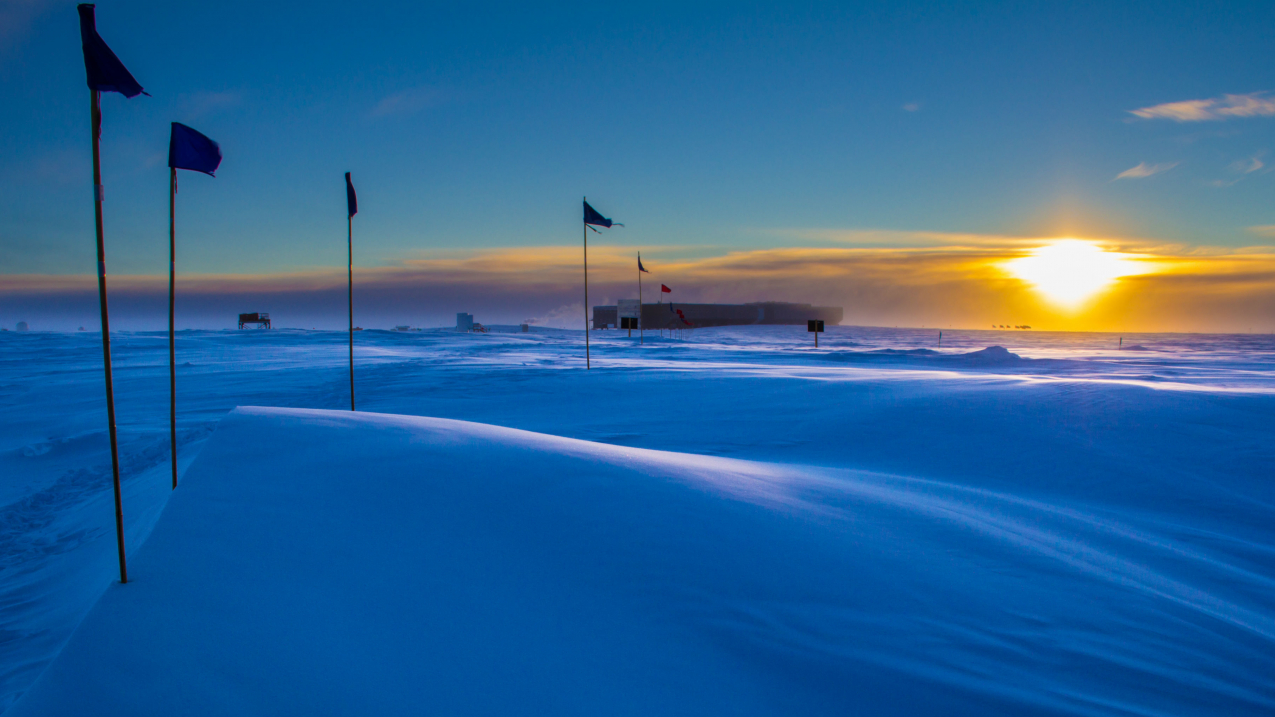
June 15, 2016
South Pole is last place on Earth to pass global warming milestone
The Earth passed another unfortunate milestone May 23 when carbon dioxide surpassed 400 parts per million (ppm) at the South Pole for the first time in 4 million years.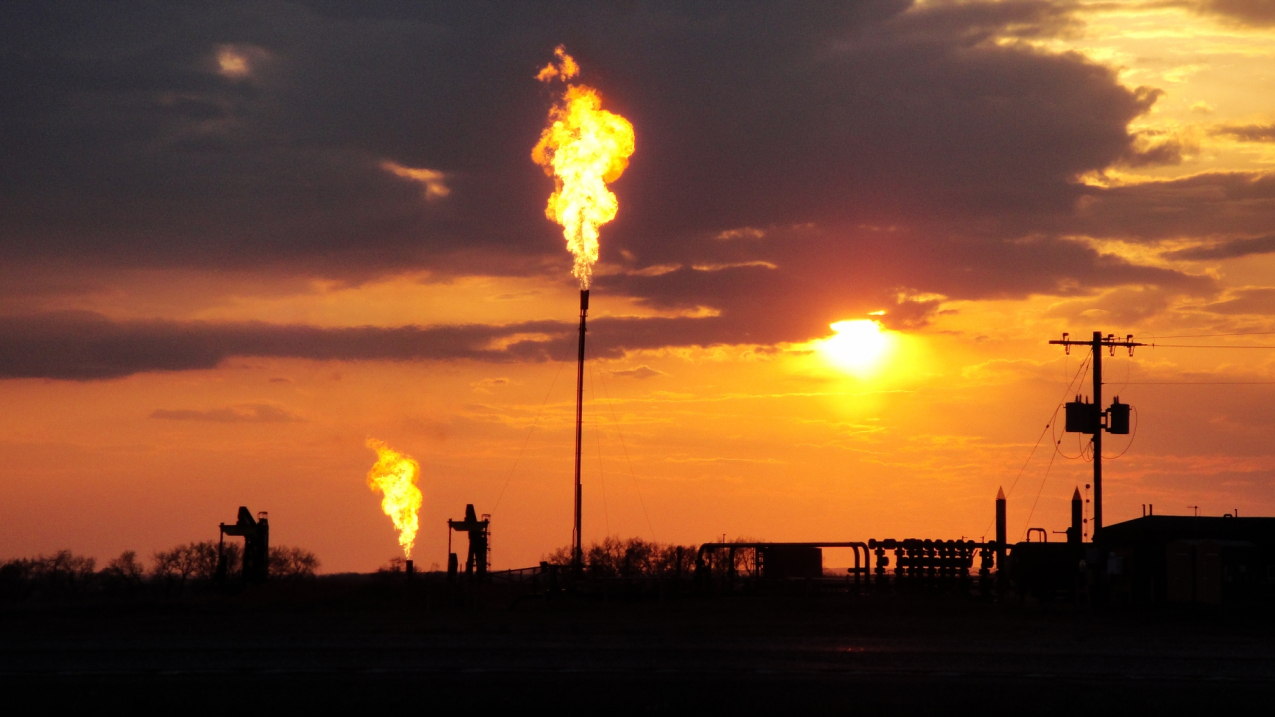
May 18, 2016
Warming due to carbon dioxide jumped by half in 25 years
Human activity has increased the direct warming effect of carbon dioxide (CO2) in the atmosphere by 50 percent above pre-industrial levels during the past 25 years, according to NOAA's 10th Annual Greenhouse Gas Index .
March 20, 2016
Last light: Sunset at the South Pole
In the Northern Hemisphere, the spring equinox promises warmer days and green plants. But for researchers at NOAA's South Pole Atmospheric Baseline Observatory, Sunday March 20 marks the start of the austral autumn, the last time they see the sun for six months.
March 10, 2016
Record annual increase of carbon dioxide observed at Mauna Loa for 2015
The annual growth rate of atmospheric carbon dioxide measured at NOAA’s Mauna Loa Observatory in Hawaii jumped by 3.05 parts per million during 2015, the largest year-to-year increase in 56 years of research.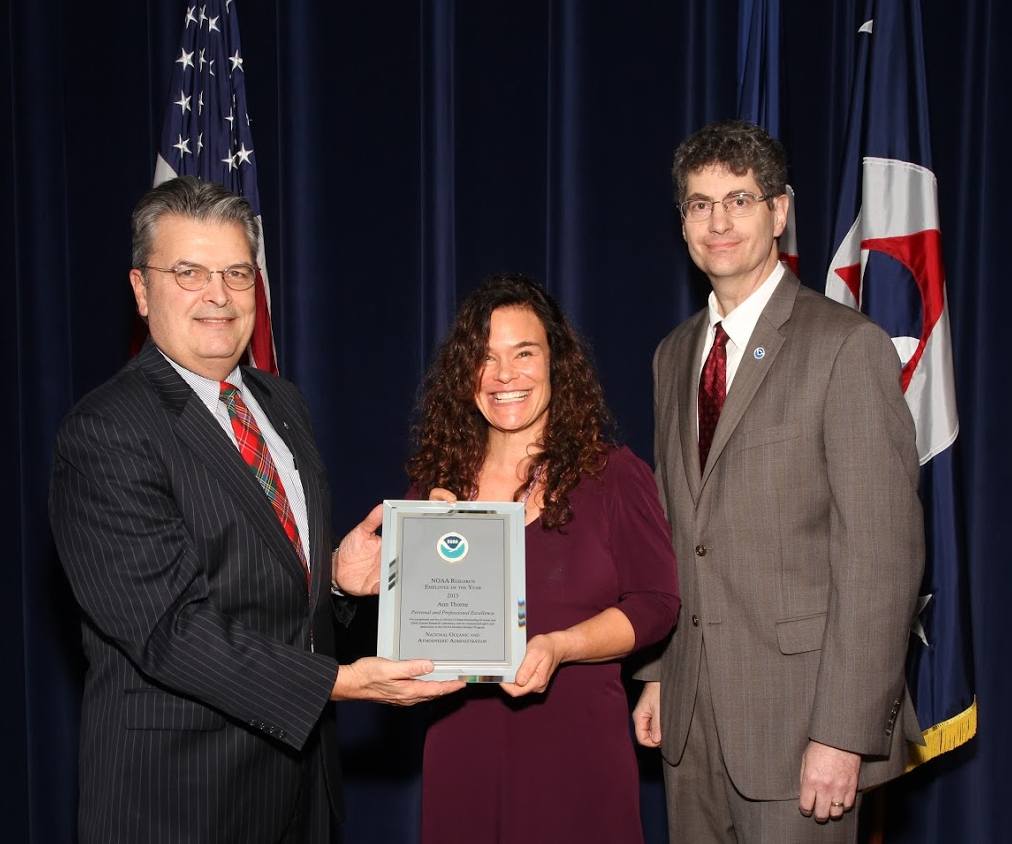
December 9, 2015
Ann Thorne Named NOAA Research Employee of the Year
Ann Thorne of the Global Monitoring Division received the NOAA Research Employee of the Year Award "For exceptional service to NOAA's Global Monitoring Division and Earth System Research Laboratory, and an unsurpassed spirit and dedication to the NOAA Boulder Student Program."