


News

September 17, 2015
NBC News video on the warming arctic and Barrow, Alaska
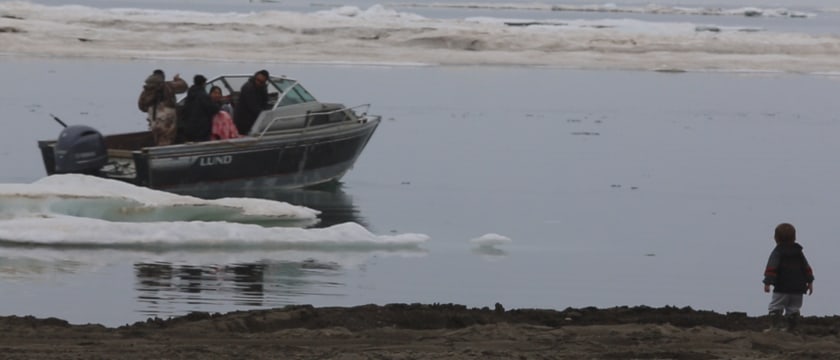
NBC News aired a news story about the affect that the warming arctic has on the people of Barrow, Alaska. Included in the video is an interview with the Barrow NOAA observatory station chief Marty Martinsen. See the video here.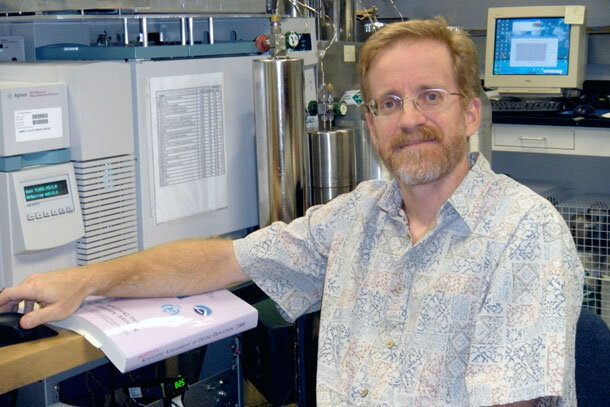
May 18, 2015
Bottled air from all over the world tells story of ozone-depleting gases and their connection to climate change
If you’re like me, when you hear the word “flask,” you’re likely to picture a grizzled, trail-weary cowboy gulping down a mouthful of whiskey from a tarnished, dented tin. But say “flask” to atmospheric chemist Steve Montzka, and he sees something more like a fire extinguisher or a stainless steel, two-liter soda bottle.
May 14, 2015
Recent adjustments to the Montreal Protocol help protect ozone layer, but newer chemicals contribute to warming
An international agreement in 2007 to deal with the last remaining ozone-depleting chemicals used in large quantities is working, according to a new analysis published today. Atmospheric emissions of those chemicals, called hydrochlorofluorocarbons (HCFCs) and used in refrigeration and air conditioning, are no longer increasing, after having increased consistently over the past few decades, according to NOAA measurements published in the Journal of Physical Chemistry
February 24, 2015
MLO Science Fair Awards
Every year the Mauna Loa Obervatory contributes to the local Science Fair event. This year, Halia Buchal won the junior research award with the project titled: Purple or Green? Does Leaf Color Affect How Plants Respond to Different Colors of Light? The Senior research recipent Keanu D. Pinner won the senior division award with the project titled: Activation of the Hepatocyte Antioxidant Response by Kava Secondary Metabolites.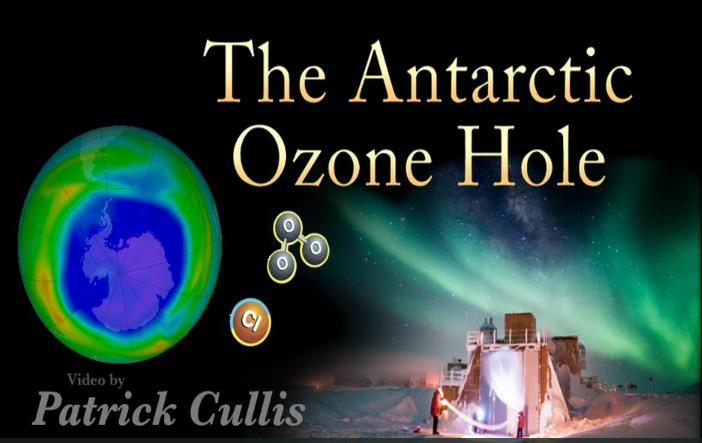
September 12, 2014
Understanding the Ozone Hole - a video designed for high school level students
The sun rises at the South Pole every Sept 21, after six months of darkness, and the spark of light from the rising sun also starts a season of ozone depletion down south. With the approach of that date in mind, a CIRES/NOAA scientist and videographer has developed a short, educational video that focuses on the ozone research being conducted by NOAA and CIRES scientists.
September 1, 2014
CarbonTracker-CH4: An assimilation system for estimating emissions of atmospheric methane
The NOAA CarbonTracker-CH4 Data Assimilation Product has been developed as a companion product to NOAA's CarbonTracker (CO2), with the goal of producing quantitative estimates of emissions of methane to the atmosphere from natural and anthropogenic sources for North America and the rest of the world. CarbonTracker-CH4 emission estimates are consistent with observed patterns of CH4 in the atmosphere.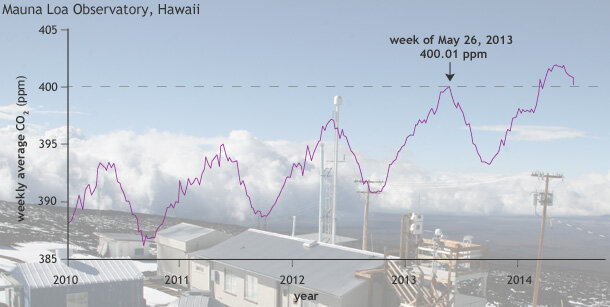
July 13, 2014
2013 State of the Climate: Carbon dioxide tops 400 ppm
On May 9, 2013, the daily average concentration of carbon dioxide (CO2) in the atmosphere surpassed 400 parts per million (ppm) for the first time at the Mauna Loa Observatory in Hawaii, where the modern record of observations began back in 1958. Other Northern Hemisphere sites also reported CO2 concentrations exceeding 400 ppm in 2013. By summer, the high concentrations at these sites had dropped as vegetation began taking up carbon dioxide for photosynthesis.
June 2, 2014
How NOAA keeps track of carbon dioxide and other greenhouse gases
The extent to which our home planet changes in response to increases in man-made heat-trapping gases is one of the foremost questions for the scientific community, policy makers, and the general public alike. To help answer this question, NOAA’s Global Monitoring Division produces the Annual Greenhouse Gas Index—a yearly report on the combined influence of long-lived greenhouse gases on Earth’s surface temperature.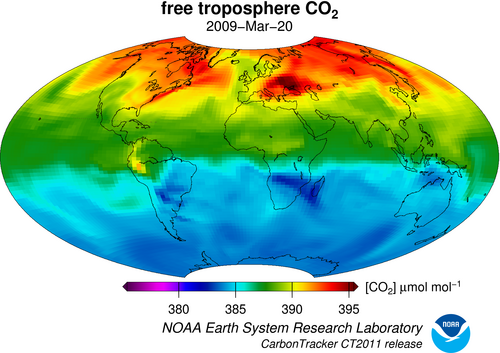
May 22, 2014
Tracking carbon dioxide across the globe
Between burning fossil fuels and clearing forests, humans emit far more carbon dioxide than Earth’s natural physical and biological processes can remove from the atmosphere. Fundamental to any attempts to understand, slow, or reverse the build up of atmospheric carbon dioxide is a global accounting of where it’s released and stored. That’s why scientists at NOAA’s Earth Systems Research Laboratory created CarbonTracker: a carbon dioxide measuring and modeling system that tracks sources and sinks around the globe.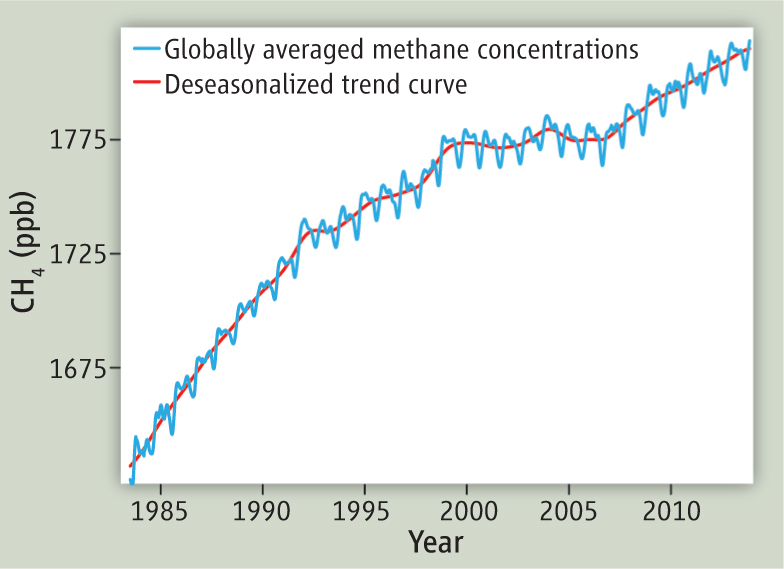
February 12, 2014
Renewed Increase in Atmospheric Methane Concentrations
In an article published in Science Perspectives, scientists from ESRL, the UK and France show that total global emissions of methane increased by 15 to 22 Tg CH4 yr-1 starting in 2007. This result is based on methane measurements from NOAA ESRL GMD’s ~70-site sampling network.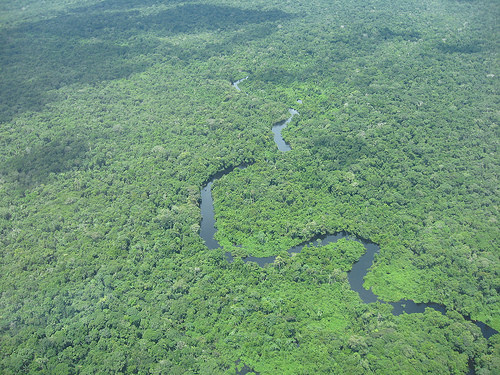
February 7, 2014
Dry conditions in Amazonia reduce uptake of carbon dioxide
As climates change, the lush tropical ecosystems of the Amazon Basin may release more of the greenhouse gas carbon dioxide into the atmosphere than they absorb, according to a new study published Feb. 6 in Nature.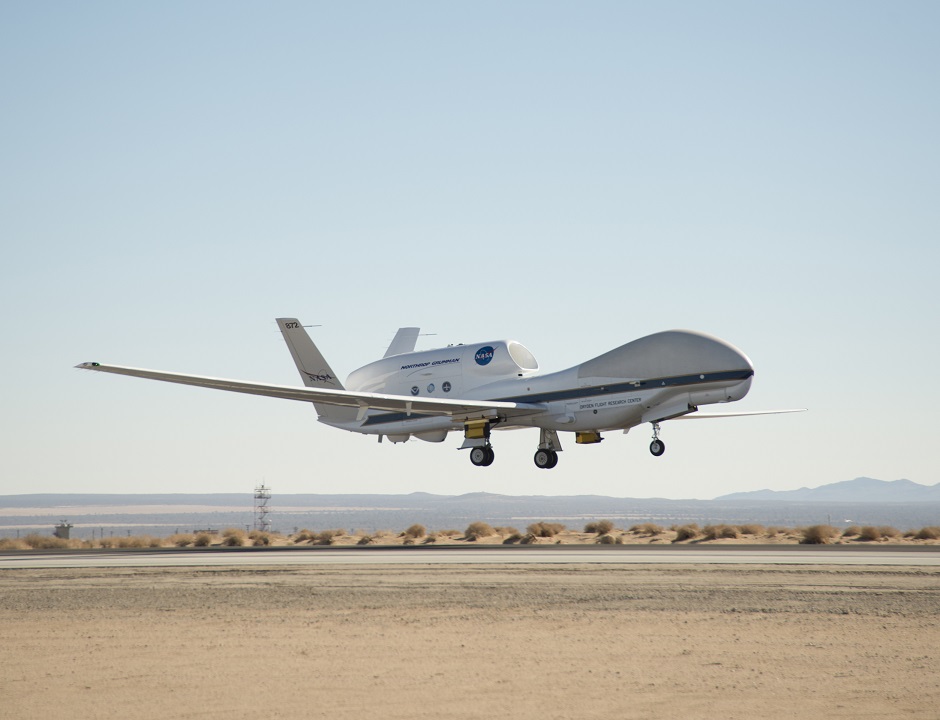
January 27, 2014
UAS with NOAA ESRL instruments flies into the Earth’s coldest tropopause.
NOAA ESRL is participating in NASA Global Hawk Unmanned Aircraft System (UAS) research flights from an airbase in Guam to study the coldest parts of the Earth’s tropopause over the tropical Western Pacific.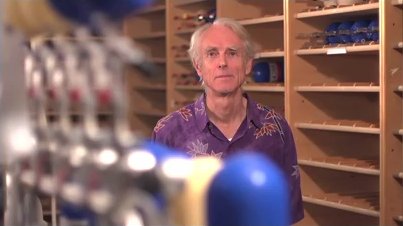
October 24, 2013
ESRL’s Pieter Tans and greenhouse gas reference network team given the 2013 Colorado Governor’s Awards for High-Impact Research.
Dr. Pieter Tans and his team of researchers at ESRL's Global Monitoring Division were honored for work in Atmospheric Sciences for the Global Greenhouse Gas Reference Network. Tans and team developed and sustained the careful and continuous collection of atmospheric observations to create a long-term record of atmospheric trace gases that is helping scientists around the globe understand the Earth system and how humans are changing the dynamics of the climate on the Earth.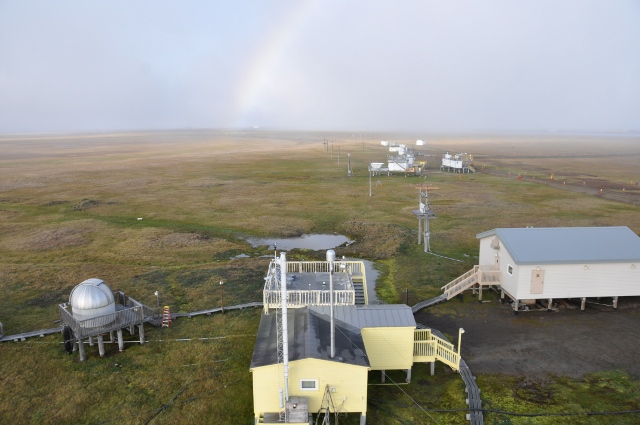
July 24, 2013
NOAA's Barrow, Alaska, Observatory marks 40 years of continuously monitoring carbon pollution in the Arctic
40 years ago, on July 24, 1973, NOAA’s atmospheric observatory in Barrow, Alaska—the U.S.’ northernmost city, located at the tip of the North Slope—began measurements of carbon dioxide pollution with a continuous analyzer, providing one of the world’s most important records of this potent heat-trapping gas.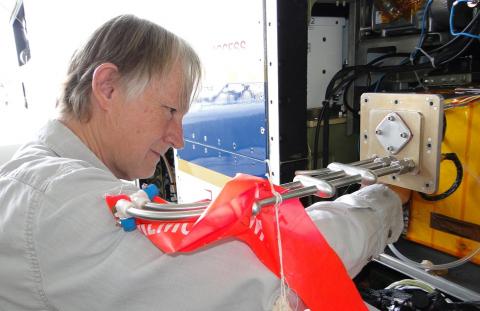
February 1, 2013
Global Hawk UAS Study of Climate Changing Stratospheric Water Vapor & Ozone
The first science flights of the NASA Global Hawk UAS in the winter portion of the Airborne Tropical TRopopause EXperiment (ATTREX) are set to begin the week of 28 January 2013. Six science flights from Edwards Air Force Base, California are scheduled. The UAS experimental payload includes two NOAA/ESRL instruments measuring water vapor, two measuring ozone and one measuring methane, nitrous oxide, hydrogen, and sulfur hexafluoride. Five NOAA/ESRL and six CIRES scientists are at the NASA Dryden facility supporting the missions.