


News

October 19, 2012
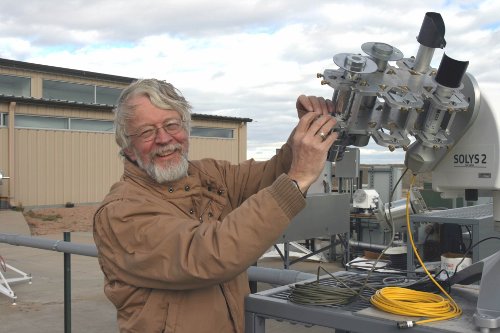
Ellsworth G. Dutton 1949-2012
ESRL scientist Ellsworth Dutton passed away on 11 October, 2012. Ells was widely respected for his careful study of the surface radiation budget of the Earth.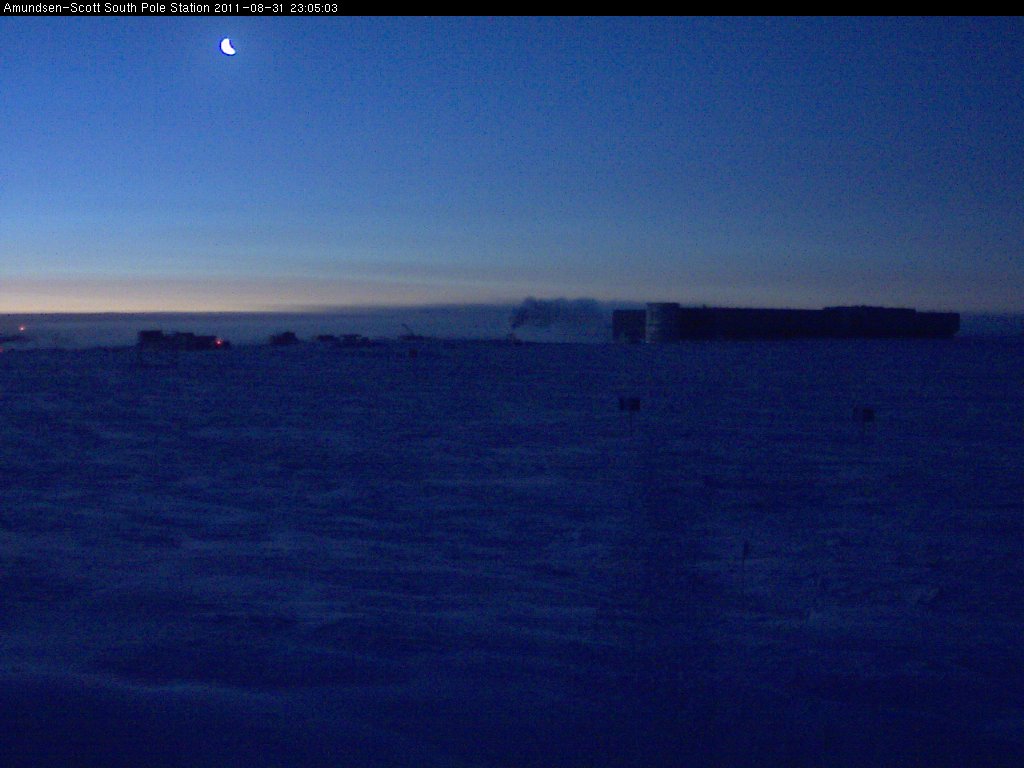
September 20, 2012
Polar Sunrise and the Ozone Hole at South Pole, Antarctica: Sept. 22, 2012
At the bottom of the world, fifty people are looking forward to seeing the sun peek above the horizon on or around September 22 – the first time they have seen the sun in six months. NOAA ESRL/ GMD personnel LTJG Heather Moe and Johan Booth spent the Antarctic winter working at NOAA’s Atmospheric Research Observatory located at the geographic South Pole. The Amundsen-Scott South Pole Station, one of three United States research stations in Antarctica, only experiences one sunrise and sunset per year due to its location at 90˚S latitude.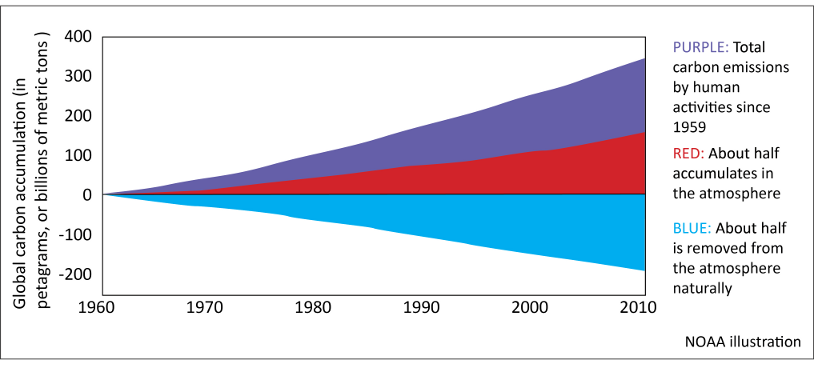
August 2, 2012
Earth's oceans and ecosystems still absorbing about half the greenhouse gases emitted by people
Earth's oceans, forests and other ecosystems continue to soak up about half the carbon dioxide emitted into the atmosphere by human activities, even as those emissions have increased, according to a study by University of Colorado and NOAA scientists.
January 19, 2012
2011 Dr. Daniel L. Albritton Outstanding Science Communicator Award to Russ Schnell
Russ Schnell, Deputy Director of the Global Monitoring Division of NOAA's Earth System Research Laboratory (ESRL) is the 2011 recipient of the Dr. Daniel L. Albritton Outstanding Science Communicator Award. The NOAA Research award recognizes outstanding achievement in communicating the meaning and value of NOAA-related science and research to non-scientific audiences.
November 9, 2011
NOAA greenhouse gas index continues climbing
NOAA’s updated Annual Greenhouse Gas Index (AGGI), which measures the direct climate influence of many greenhouse gases such as carbon dioxide and methane, shows a continued steady upward trend that began with the Industrial Revolution of the 1880s.
October 20, 2011
NOAA, NASA: Significant ozone hole remains over Antarctica
The Antarctic ozone hole, which yawns wide every Southern Hemisphere spring, reached its annual peak on September 12, stretching 10.05 million square miles, the ninth largest on record. Above the South Pole, the ozone hole reached its deepest point of the season on October 9 when total ozone readings dropped to 102 Dobson units, tied for the 10th lowest in the 26-year record.
October 18, 2011
South Pole ozone hole update
Scientists from NOAA Earth System Research Laboratory (ESRL), Global Monitoring Division, are closely watching the development of the Antarctic ozone hole from the South Pole observatory.
September 19, 2011
Three NOAA/ESRL AirCore samplers deployed in back-to-back balloon launches
On September 10, 2011, NOAA and CIRES scientists and engineers teamed up with the non-profit group Edge of Space Sciences (EOSS) to launch three AirCore samplers of varying sizes and material coatings. The resulting data set shows excellent agreement between the three samples for CO2, CH4, and CO, and also characterizes some regions of atmospheric variability.
September 16, 2011
Unmanned Aircraft Study of Stratospheric Water Vapor & Ozone, and Climate
Five NOAA/ESRL and five CIRES cooperative institute scientists will operate four atmospheric instruments including two ozone sensors, one water vapor sensor, and one greenhouse gases sensor for methane, nitrous oxide, and sulfur hexafluoride on the NASA Global Hawk Unmanned Aircraft Systems (UAS) to study the earth’s Tropical Tropopause Layer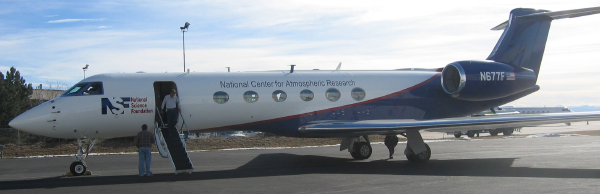
August 8, 2011
Fifth and Final Pole-to-Pole Aircraft Study of Greenhouse Gases is Underway
Six NOAA and twelve CIRES cooperative institute employees from the NOAA Global Monitoring and Chemical Sciences Divisions of ESRL are involved in the fifth and final HIAPER Pole-to-Pole Aircraft Study of Greenhouse Gases and Black Carbon (HIPPO/5) survey beginning on August 9, 2011, and ending on September 9.
January 6, 2011
Major Breakthrough by NOAA-led Team on Removal of Air Pollution
An international, NOAA-led research team has made a major breakthrough in understanding the atmosphere’s ability to cleanse itself of air pollutants and some greenhouse gases. Earlier studies were inconclusive on how sensitive the hydroxyl (OH) radical that controls the self-cleaning power of the atmosphere was to environmental changes.
January 6, 2011
Fourth Pole-to-Pole Airborne Study of Greenhouse Gases and Black Carbon
The fourth, month-long, HIAPER Pole-to-Pole Observations of Greenhouse Gases and Black Carbon (HIPPO/4) aircraft survey will take place from 14 June to 15 July utilizing 12 flights to cover a total distance of 53,250 km on NCAR’s HIAPER or GV manned aircraft.
December 16, 2010
NOAA Scientist Awarded Revelle Medal at AGU
For his work in expanding our understanding of the global carbon cycle and raising awareness for climate change, Pieter Tans, Ph.D., was awarded the Roger Revelle Medal at the 2010 fall meeting of the American Geophysical Union in San Francisco.