


News

October 27, 2021
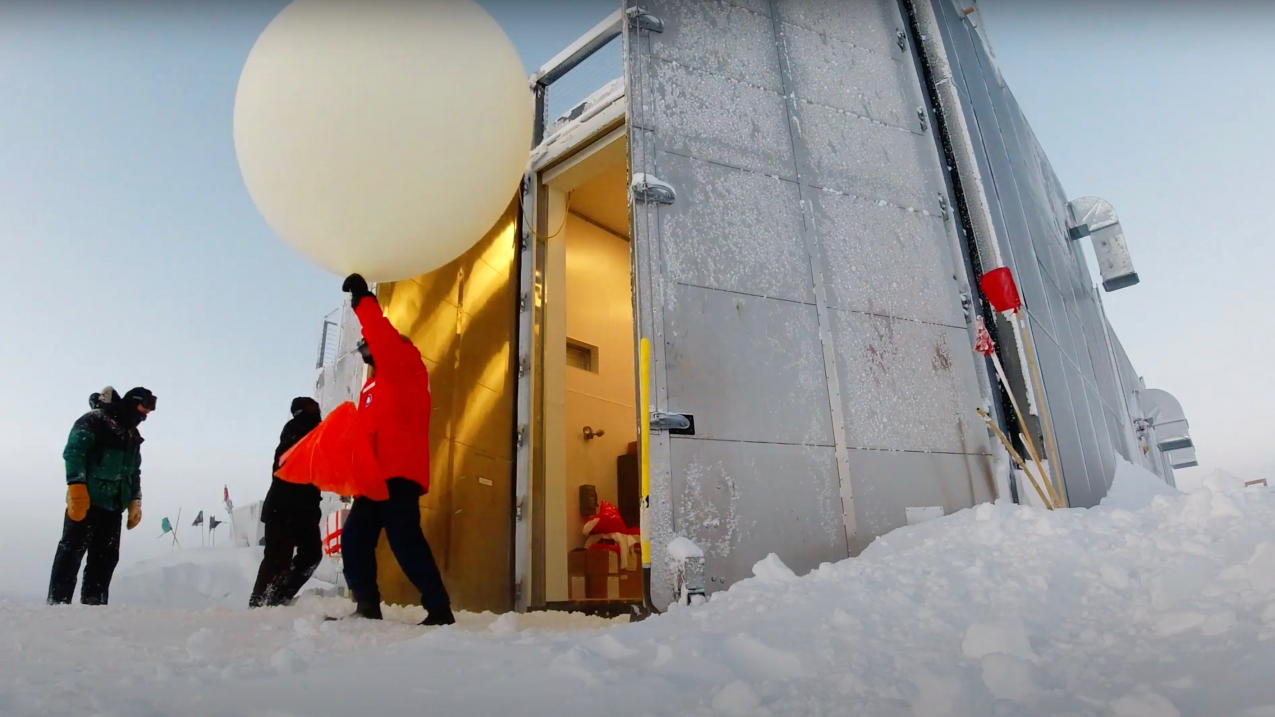
Antarctic ozone hole is 13th largest on record and expected to persist into November
The 2021 Antarctic ozone hole reached its maximum area on October 7 and ranks 13th largest since 1979, scientists from NOAA and NASA reported today.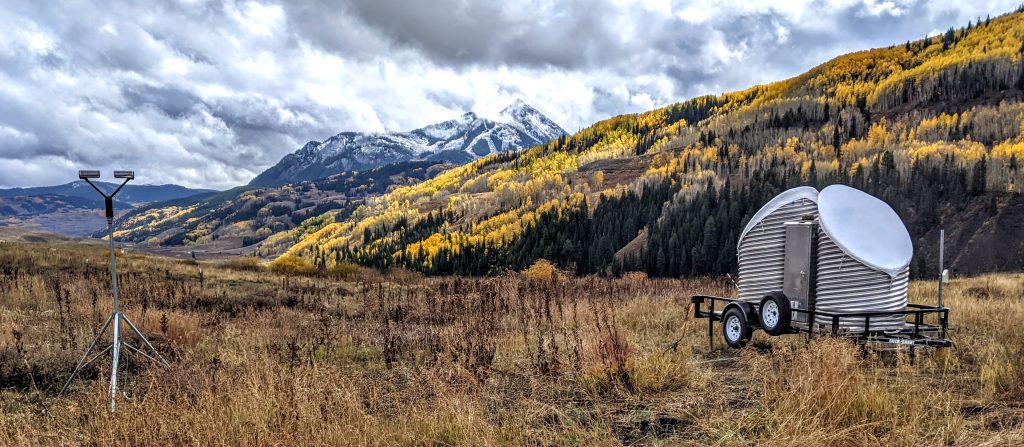
October 21, 2021
Researchers head to the mountains to improve weather and water forecasting tools
NOAA scientists were busy installing a state-of-the-art observing network in a remote basin near Crested Butte to study how precipitation forms in the complex, high-altitude terrain of the West Elk Mountains.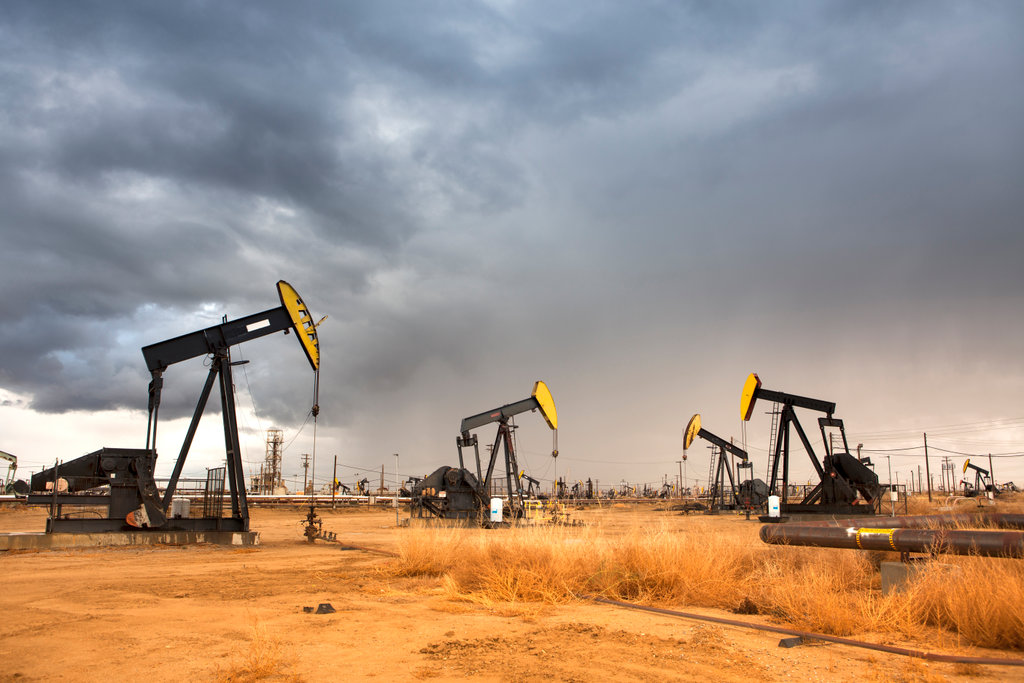
October 12, 2021
GML is granted funding to investigate COVID impacts on the U.S. non-CO2 greenhouse gas emissions
A new research initiative “Quantifying the impacts of COVID-19 on U.S. national and regional non-CO2 greenhouse gas emissions from atmospheric observations” is granted funding from Climate Program Office’s Atmospheric Chemistry, Carbon Cycle, and Climate (AC4) program and Climate Observations and Monitoring (COM) program.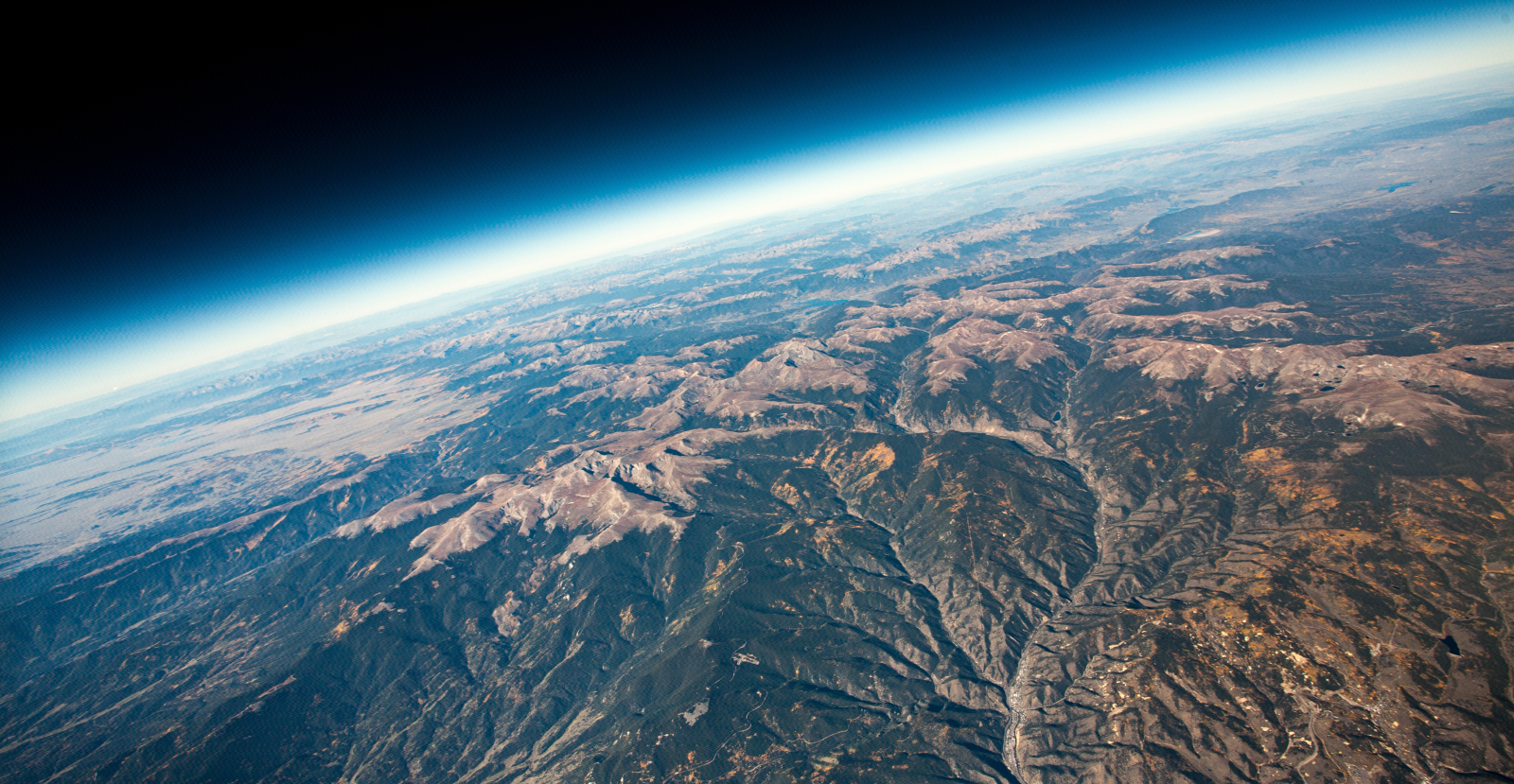
October 7, 2021
NOAA’s new uncrewed glider poised to help vastly increase high-altitude research
Scientists from NOAA’s Global Monitoring Laboratory, are fine-tuning a low-tech, cost-effective system for lifting a small payload of specialized measuring instruments to the edge of space, and then guiding it back to the launch location.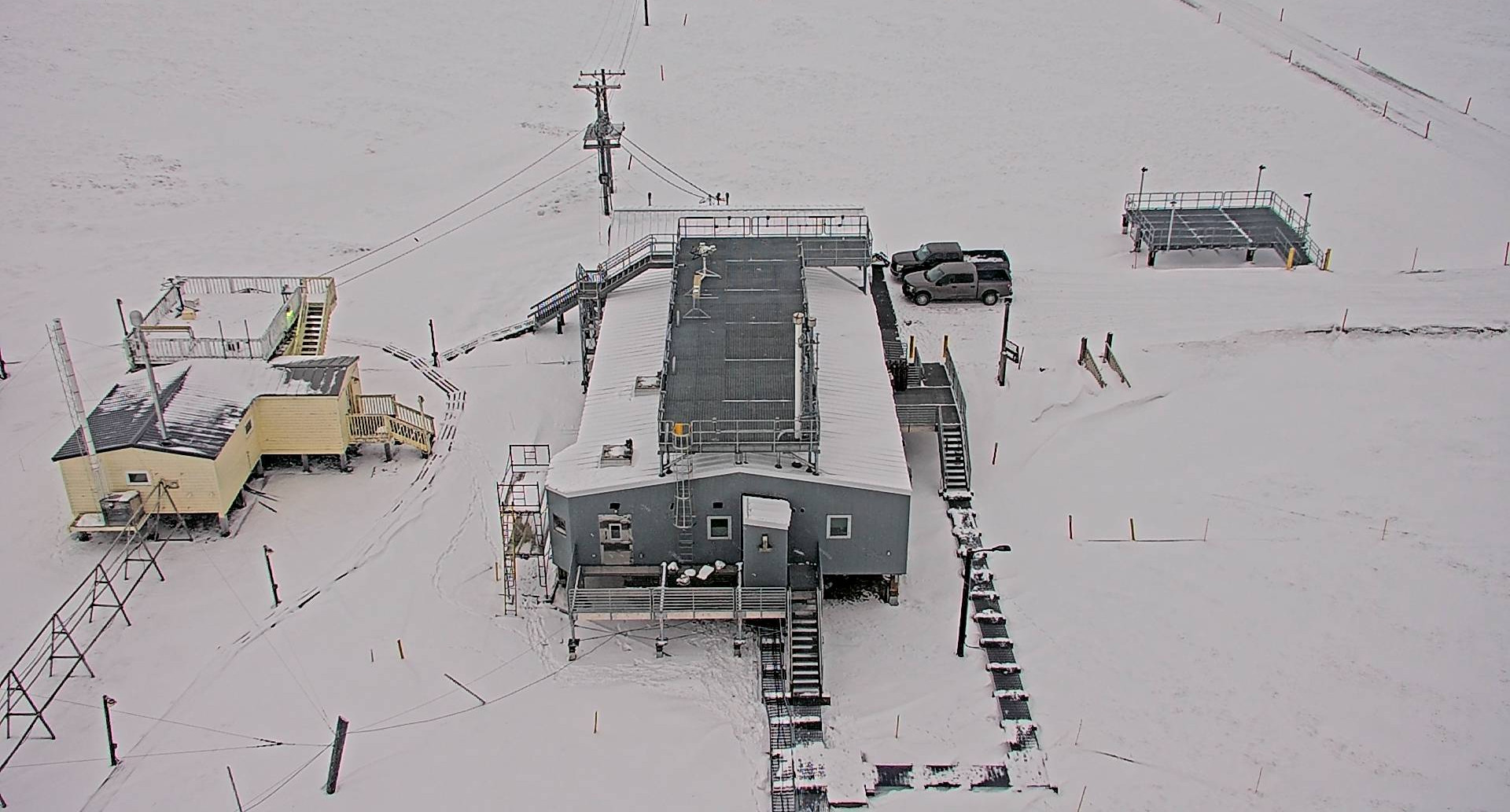
September 29, 2021
An Early End to the 2021 Snow-Free Season in the Arctic
On September 19, 2021, the daily mean surface albedo at GML Barrow Atmospheric Baseline Observatory reached an albedo value greater than 0.6, indicating the end of the snow-free season in Utqiaġvik, Alaska.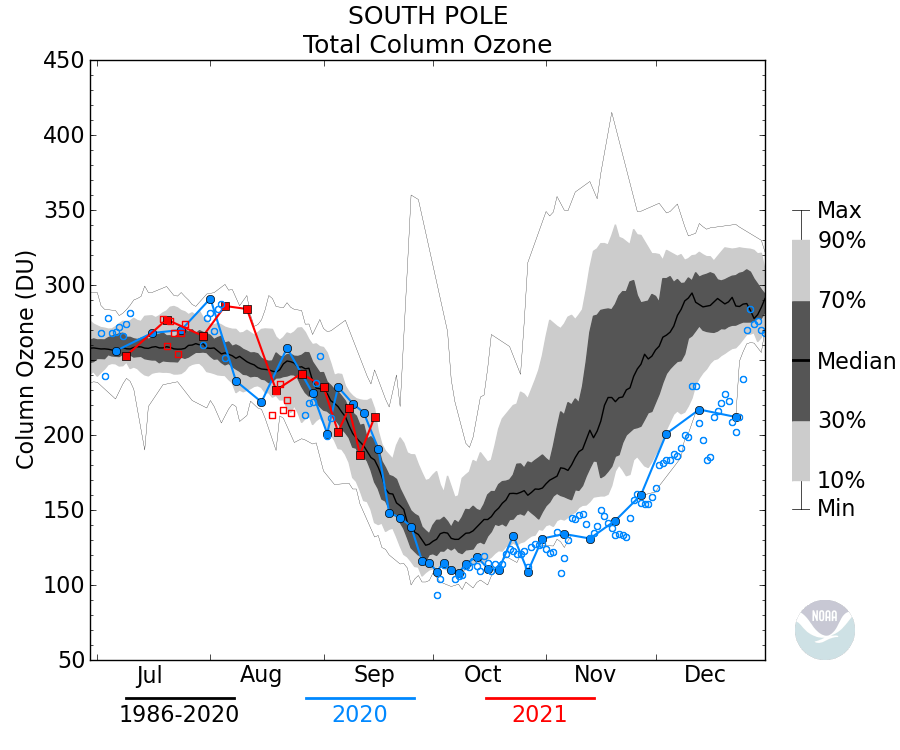
September 25, 2021
The 2021 Ozone Hole – So it begins…
The 2021 Antarctic ozone hole is taking shape as we move into the ozone depletion season.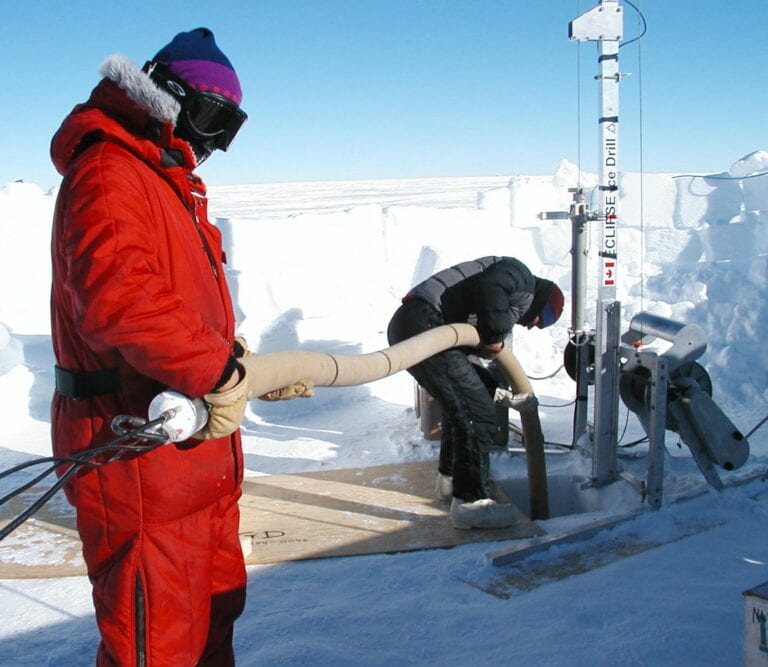
September 10, 2021
UCI researchers analyzed Antarctic air samples to learn of a 70-percent increase in atmospheric hydrogen over the past 150 years
NOAA Scientists contributed to a study by UCI researchers of air trapped in compacted layers of Antarctic ice and snow to come up with some answers and a few new questions about the amount of molecular hydrogen in our planet’s atmosphere.
September 9, 2021
First Annual Report Highlights Links Between Air Quality and Climate Change
Two CIRES scientists working in NOAA laboratories contributed to the WMO’s first-ever Air Quality and Climate Bulletin, released on September 3.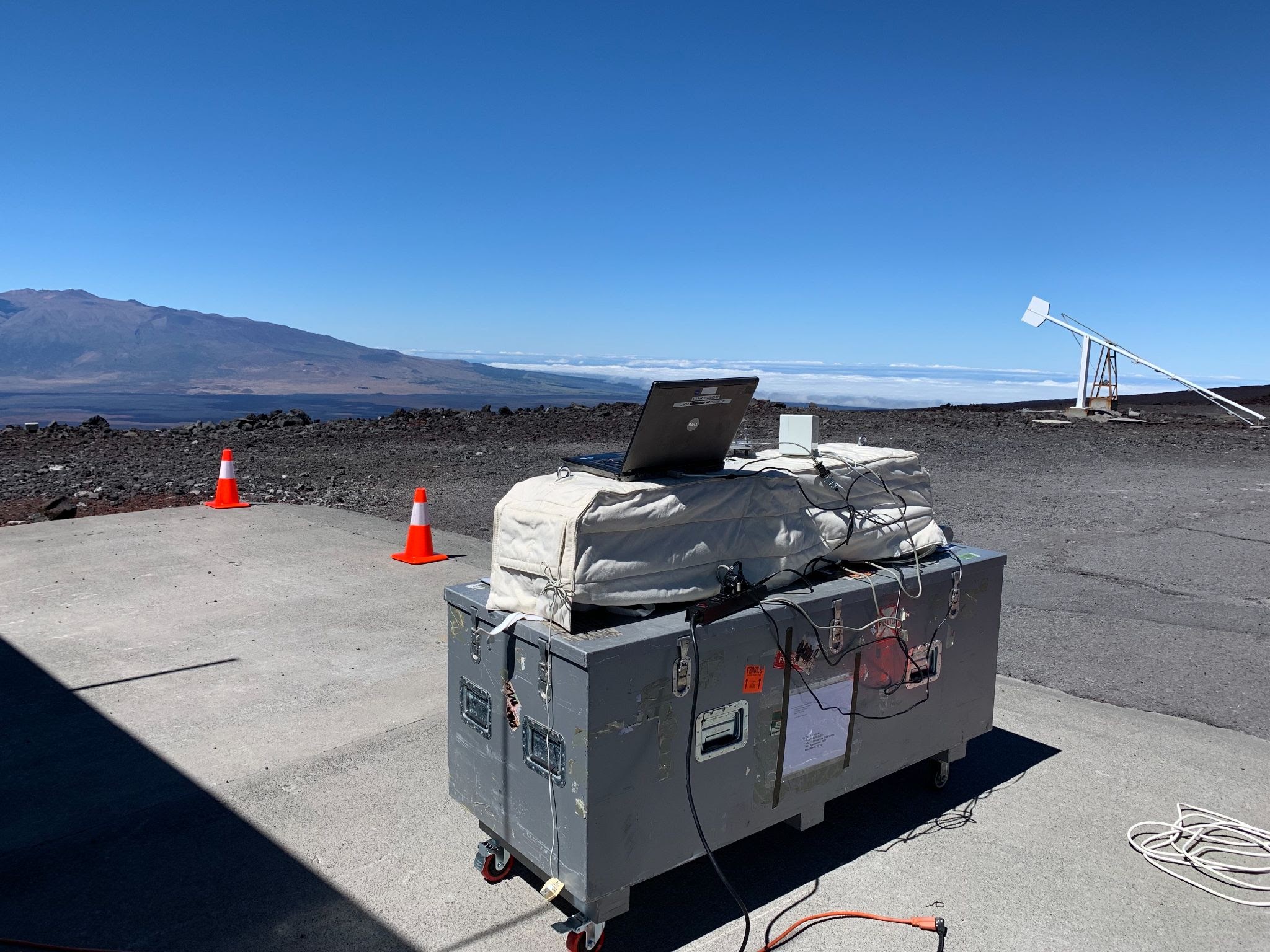
September 1, 2021
Keeping up the standard: Calibrating for accurate ozone monitoring
GML scientist Glen McConville and Lapenta intern Leah Barkai started the calibration of Dobson World standard instrument D083 at the GML Mauna Loa Observatory on July 12, 2021, and will continue the calibration until the end of August.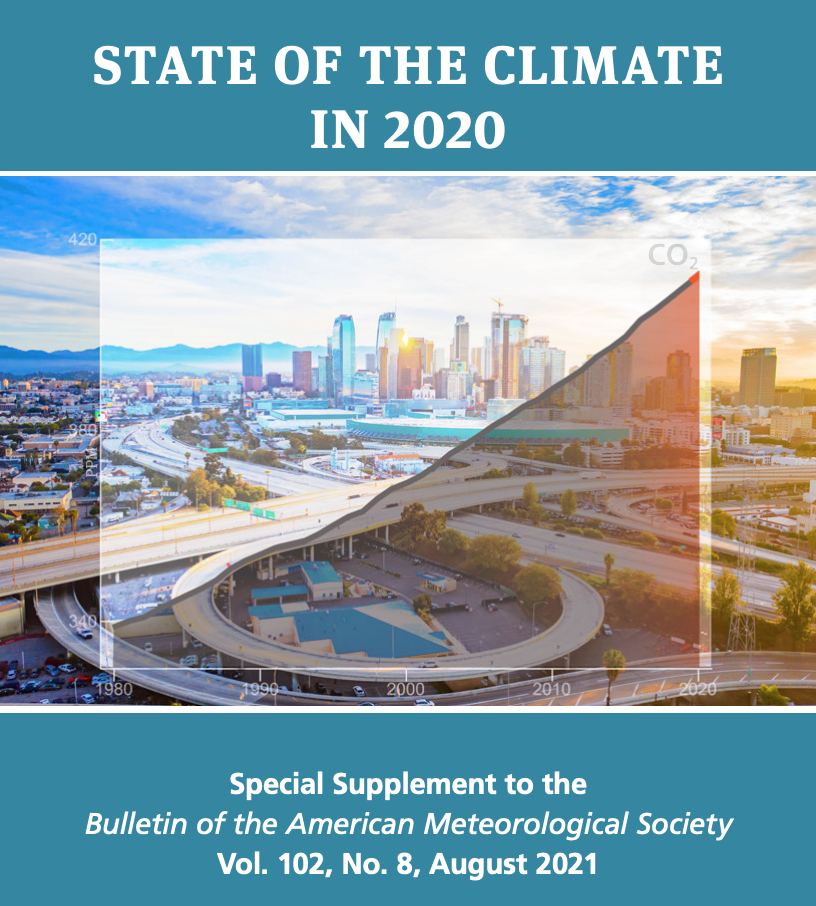
September 1, 2021
Highlights of GML’s contributions to the 2020 BAMS State of the Climate Report
Scientists from Global Monitoring Laboratory contributed to the Bulletin of American Meteorological Society State of the Climate 2020 report report as editors and authors.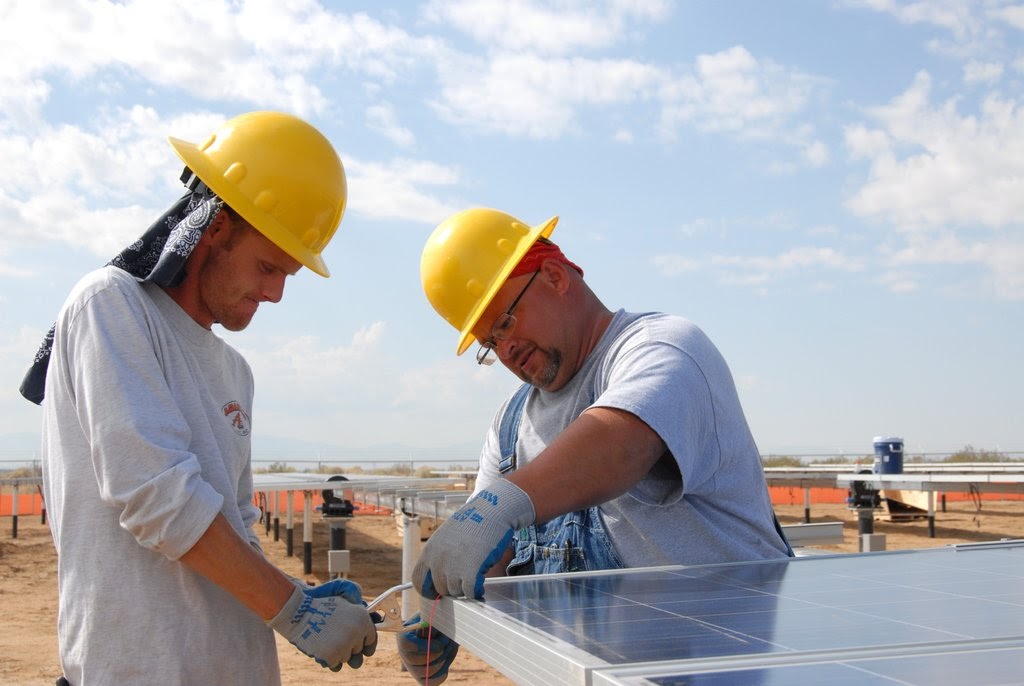
August 18, 2021
One step further towards day-ahead solar variability prediction
New research by GML characterized the relationship of solar irradiance variability with cloud properties and quantified that relationship using machine learning models.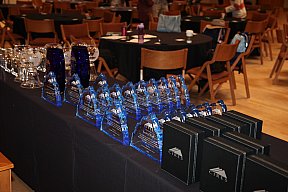
August 18, 2021
GML CIRES employees received special recognition during the 2021 Rendezvous
Several CIRES employees in the Global Monitoring Laboratory received special recognition during the 2021 CIRES Rendezvous.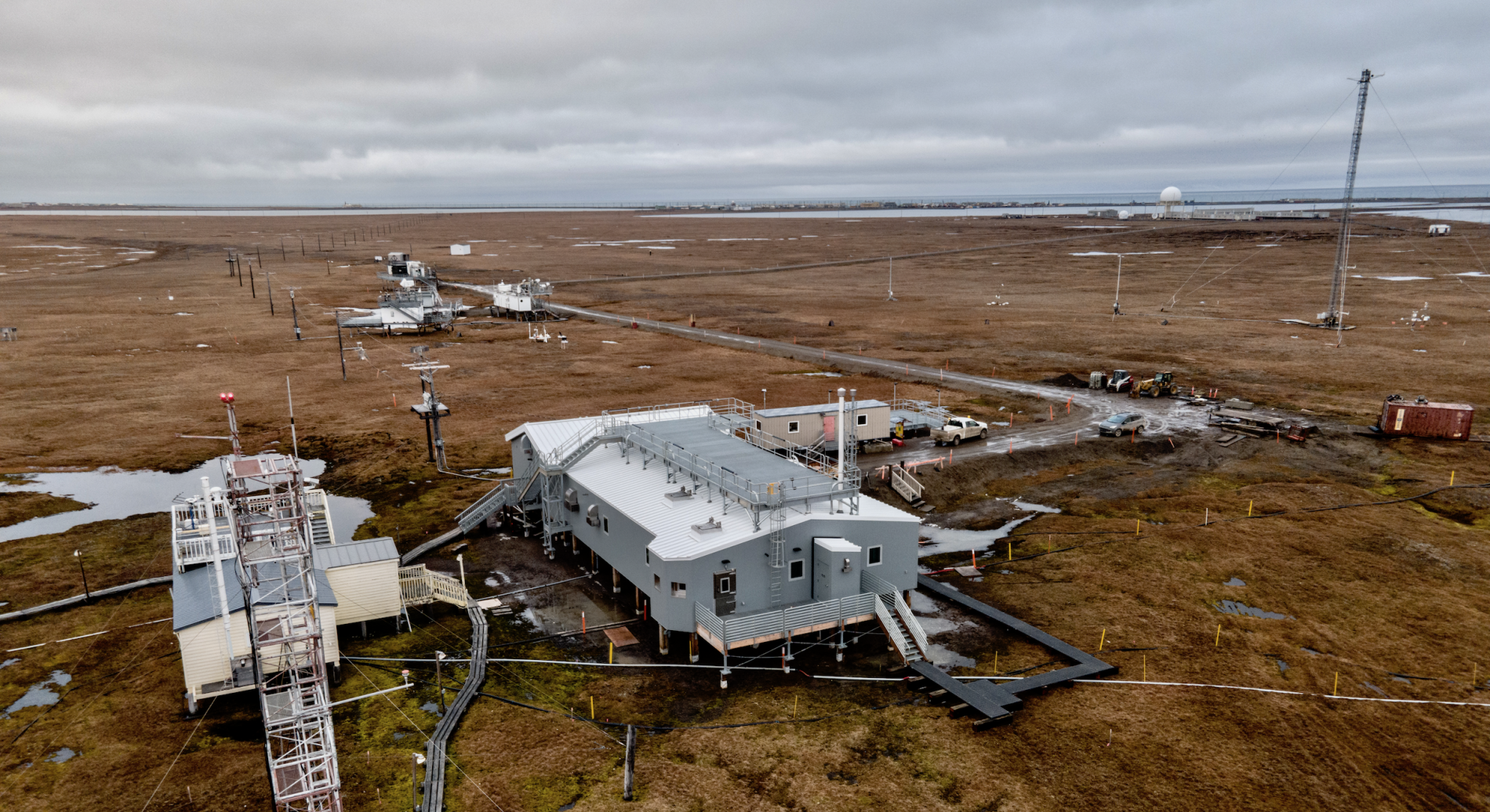
August 16, 2021
A new way to measure how Arctic plant communities respond to climate change
Modeling using atmospheric measurements of carbonyl sulfide (COS) was used for quantifying photosynthetic CO2 uptake in the Arctic and Boreal ecosystems.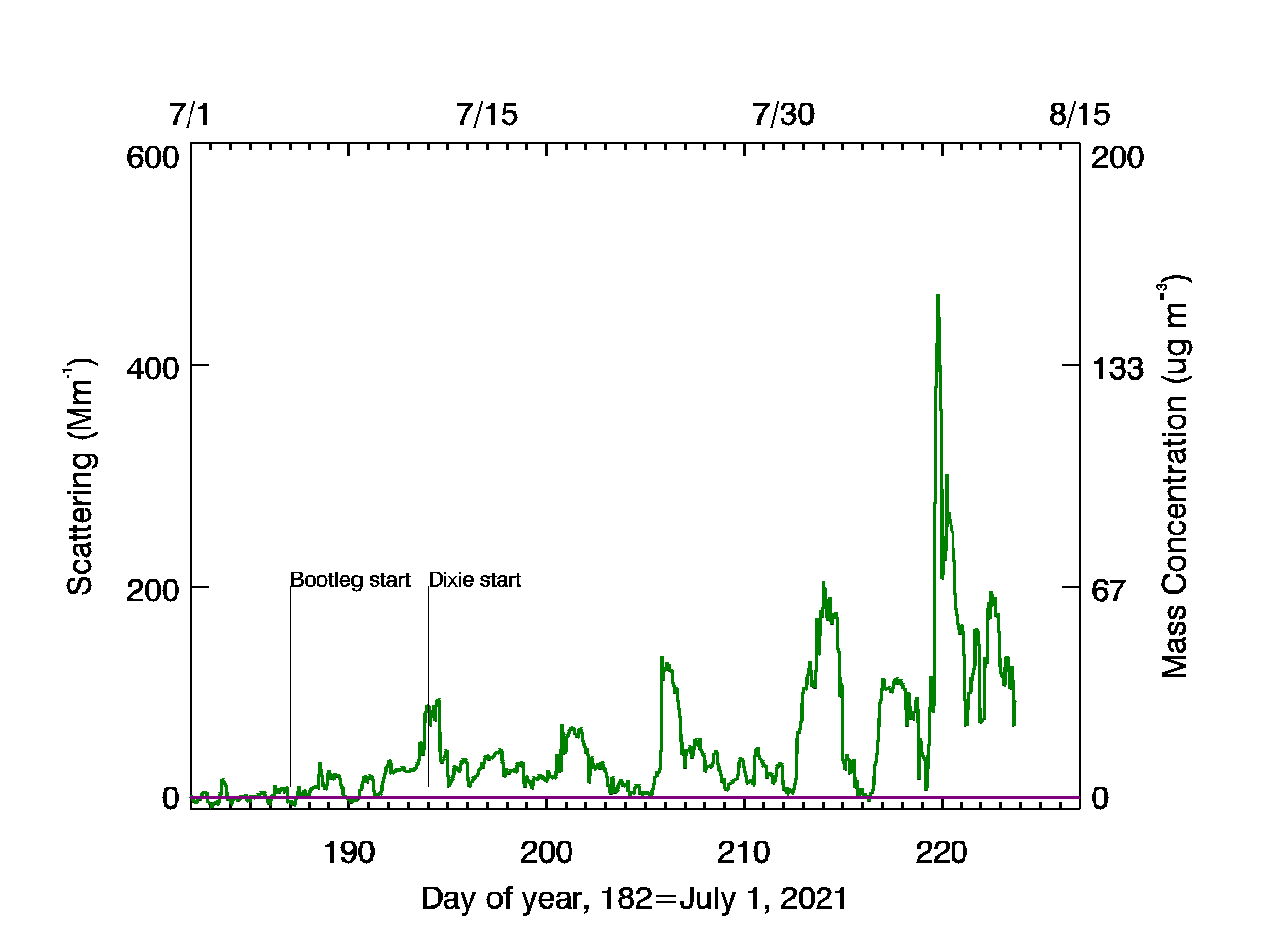
August 11, 2021
Long Range Transport from Western U.S. Fires
Like 2020, 2021 is turning out to be an intense year for wildfires in the western US.
August 6, 2021
New Student Opportunities Page
A new page describing opportunities for students is now available at https://gml.noaa.gov/interns/