


News

October 27, 2022
Antarctic ozone hole slightly smaller in 2022
The hole in the ozone layer over Antarctica in 2022 had an average area slightly smaller than the extent reached in 2021, and well below the average seen in 2006 when the hole size peaked.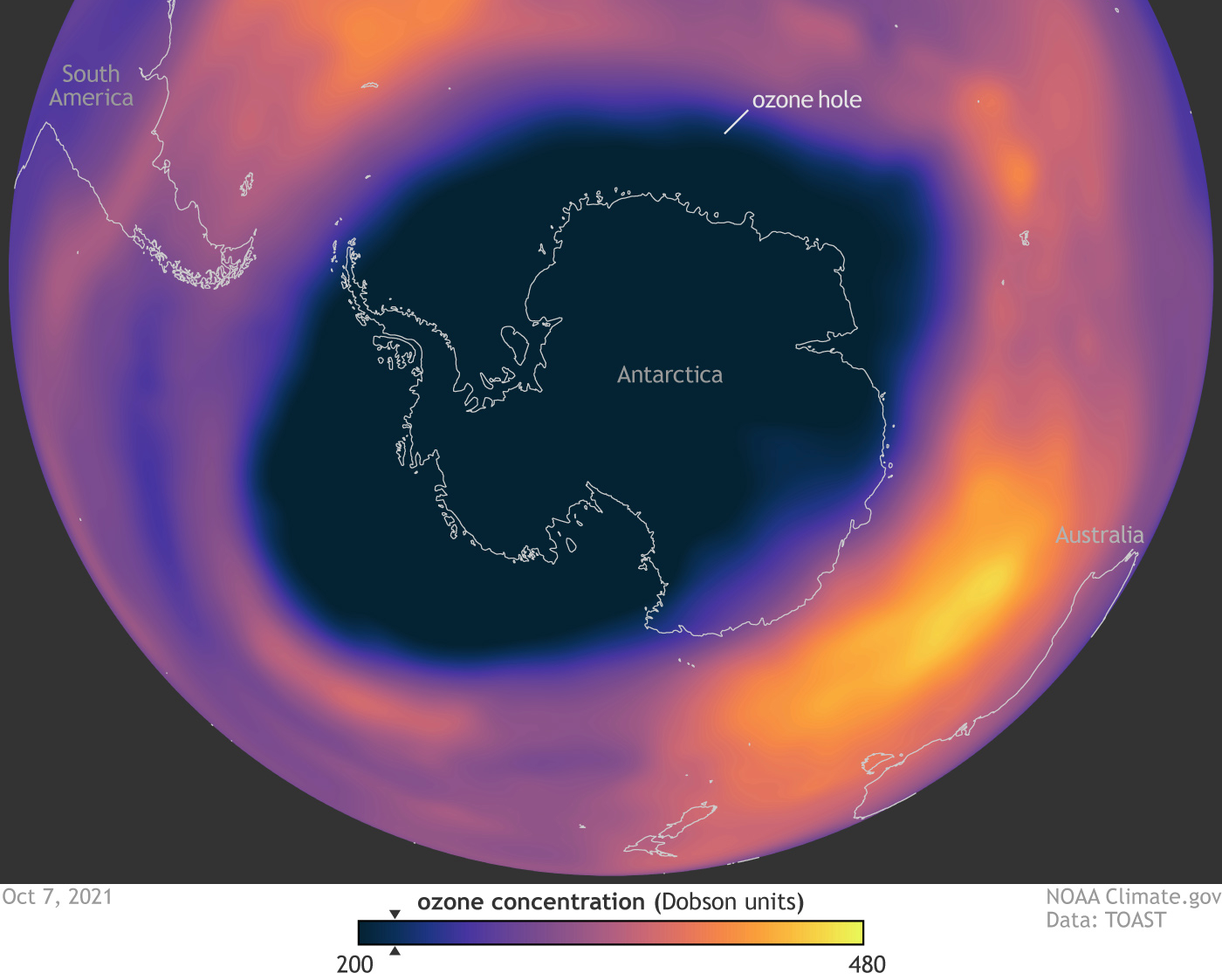
August 24, 2022
Path to recovery of ozone layer passes a significant milestone
An annual analysis of air samples collected at remote sites around the globe that is tracking a continued decline in the atmospheric concentration of ozone-depleting substances shows the threat to the ozone layer receding below a significant milestone in 2022, NOAA scientists have announced.
August 5, 2022
NOAA dedicates new Arctic observatory in Utqiaġvik
NOAA's Global Monitoring Laboratory (GML) held the grand opening ceremony for the Barrow Atmospheric Baseline Observatory (BRW) building in Utqiaġvik, Alaska, on Friday, August 5th, 2022.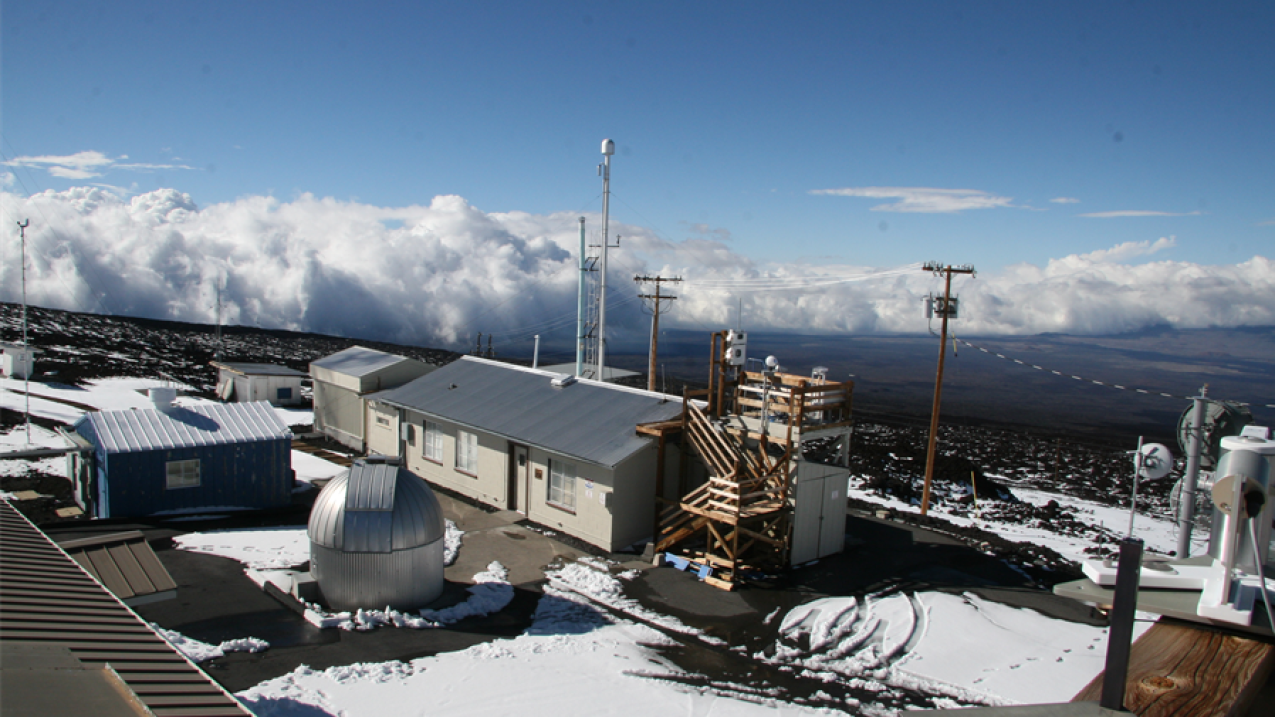
June 6, 2022
Carbon dioxide now more than 50% higher than pre-industrial levels
Carbon dioxide measured at NOAA’s Mauna Loa Atmospheric Baseline Observatory peaked for 2022 at 421 parts per million in May, pushing the atmosphere further into territory not seen for millions of years.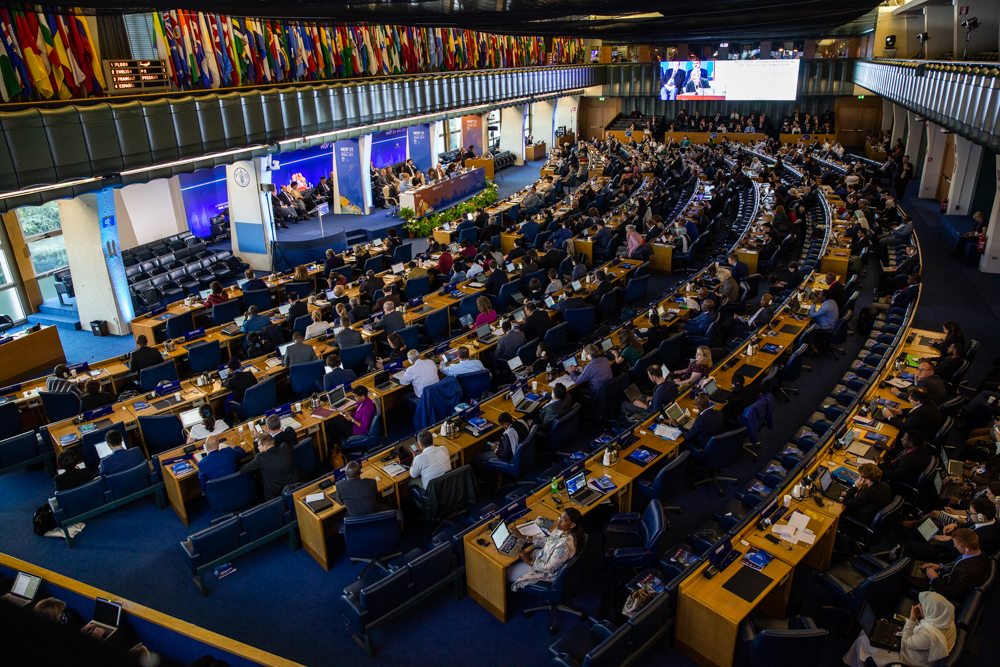
June 2, 2022
New research estimates the future emissions of potent greenhouse gases based on current trends and compliance with climate policies
New research published in Atmospheric Chemistry and Physics projects future emissions of hydrofluorocarbons (HFCs), a class of potent greenhouse gasses, based on recent trends and compliance with current policies.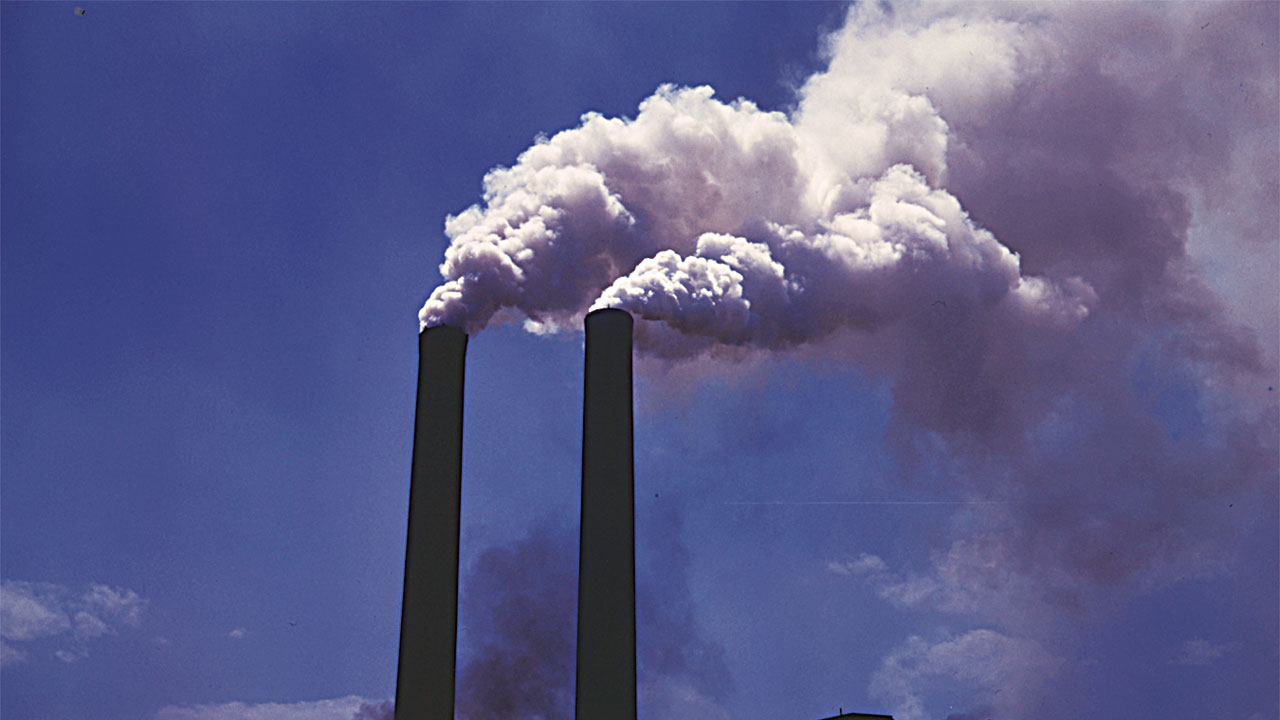
May 23, 2022
Greenhouse gas pollution trapped 49% more heat in 2021 than in 1990, NOAA finds
Greenhouse gas pollution caused by human activities trapped 49% more heat in the atmosphere in 2021 than they did in 1990, according to NOAA scientists.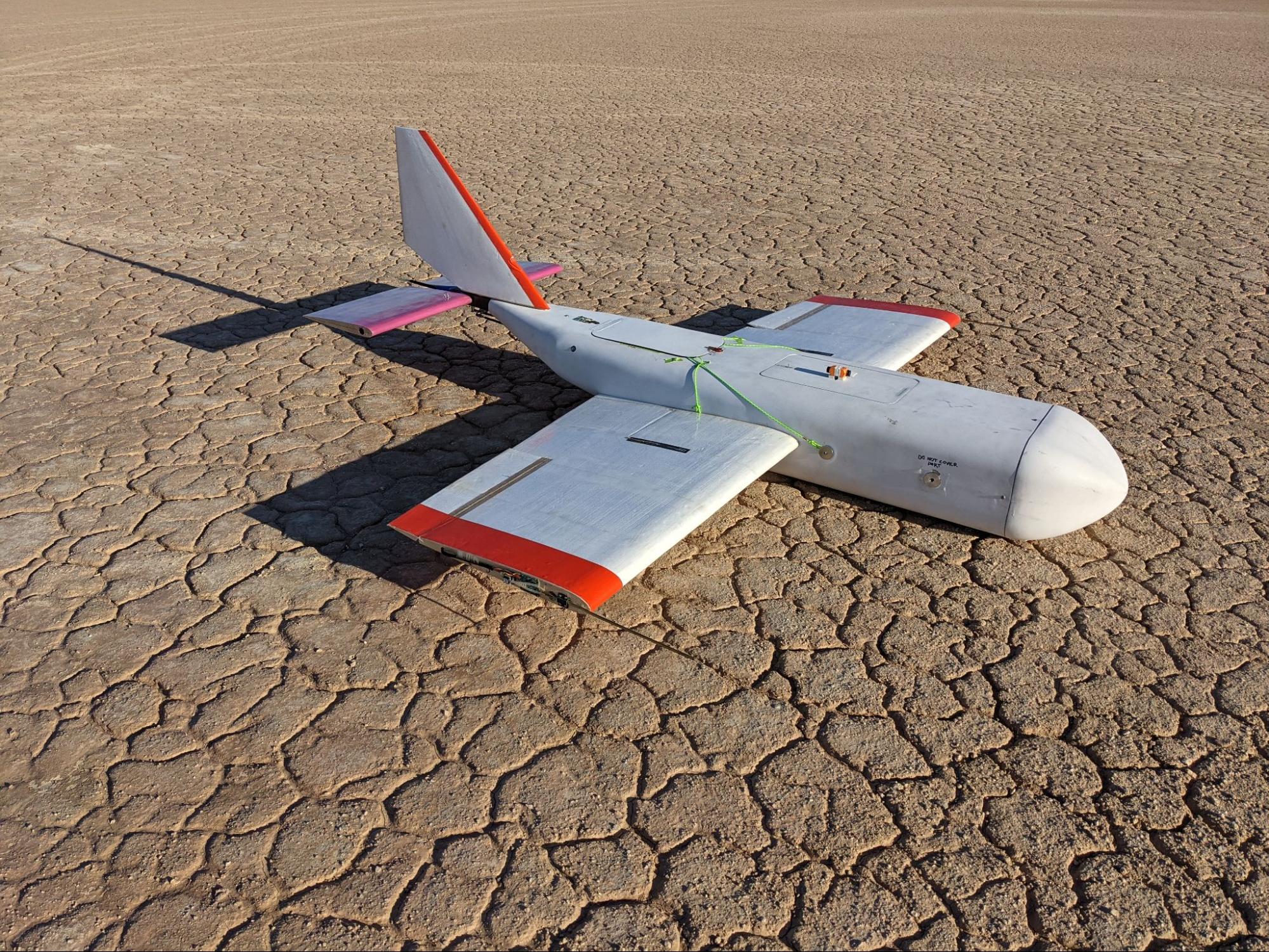
May 9, 2022
HORUS is approved to fly in the national airspace in northeastern Colorado
NOAA Global Monitoring Laboratory has recently obtained approval from the FAA to fly the High-altitude Operational Returning Unmanned System (HORUS) up to 90,000 ft above mean sea level in the national airspace in northeastern Colorado.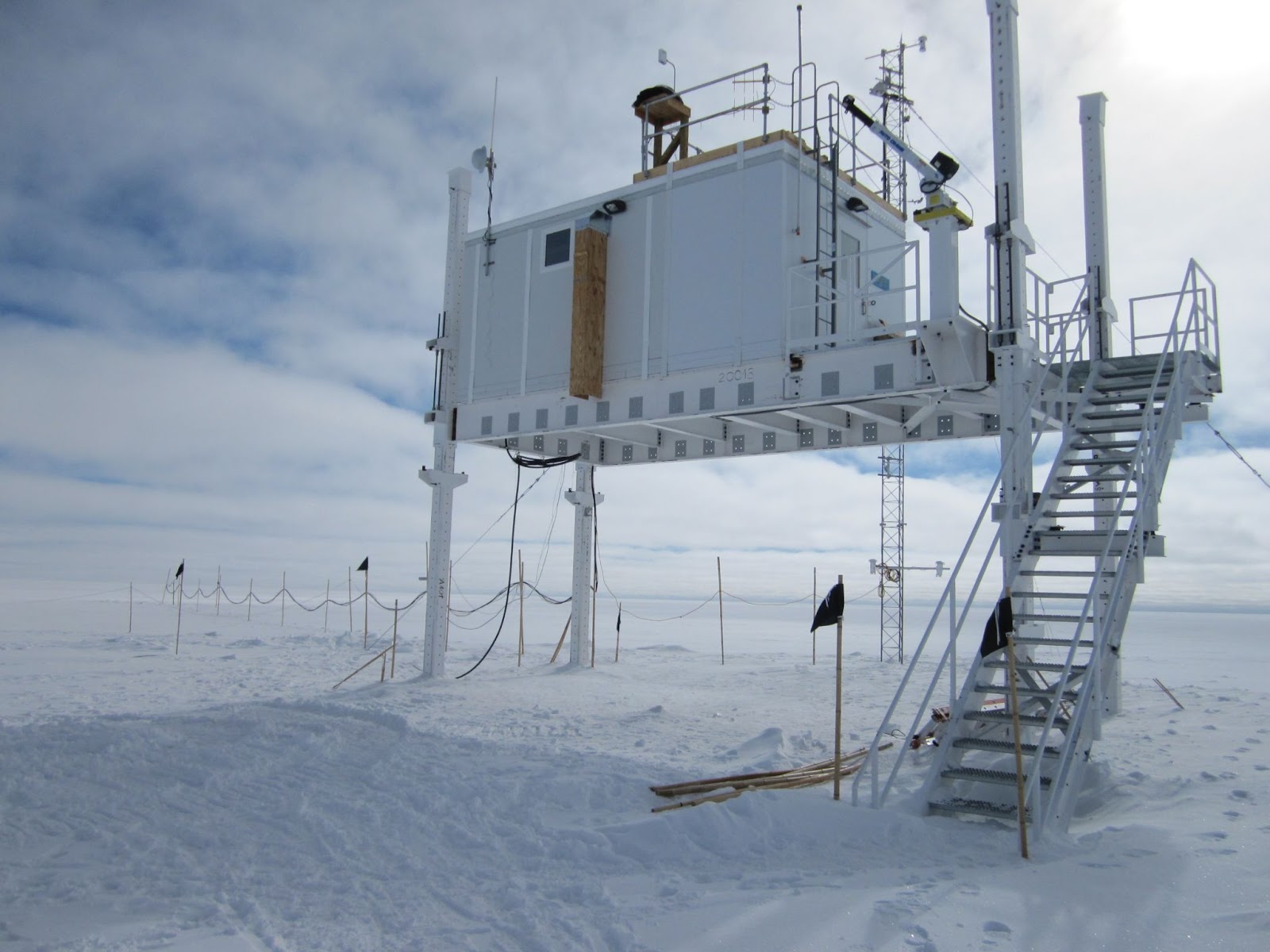
May 9, 2022
GML is replacing the surface ozone instrument in Summit, Greenland
Scientists have sent out the surface ozone instrument replacement for the site in Summit, Greenland.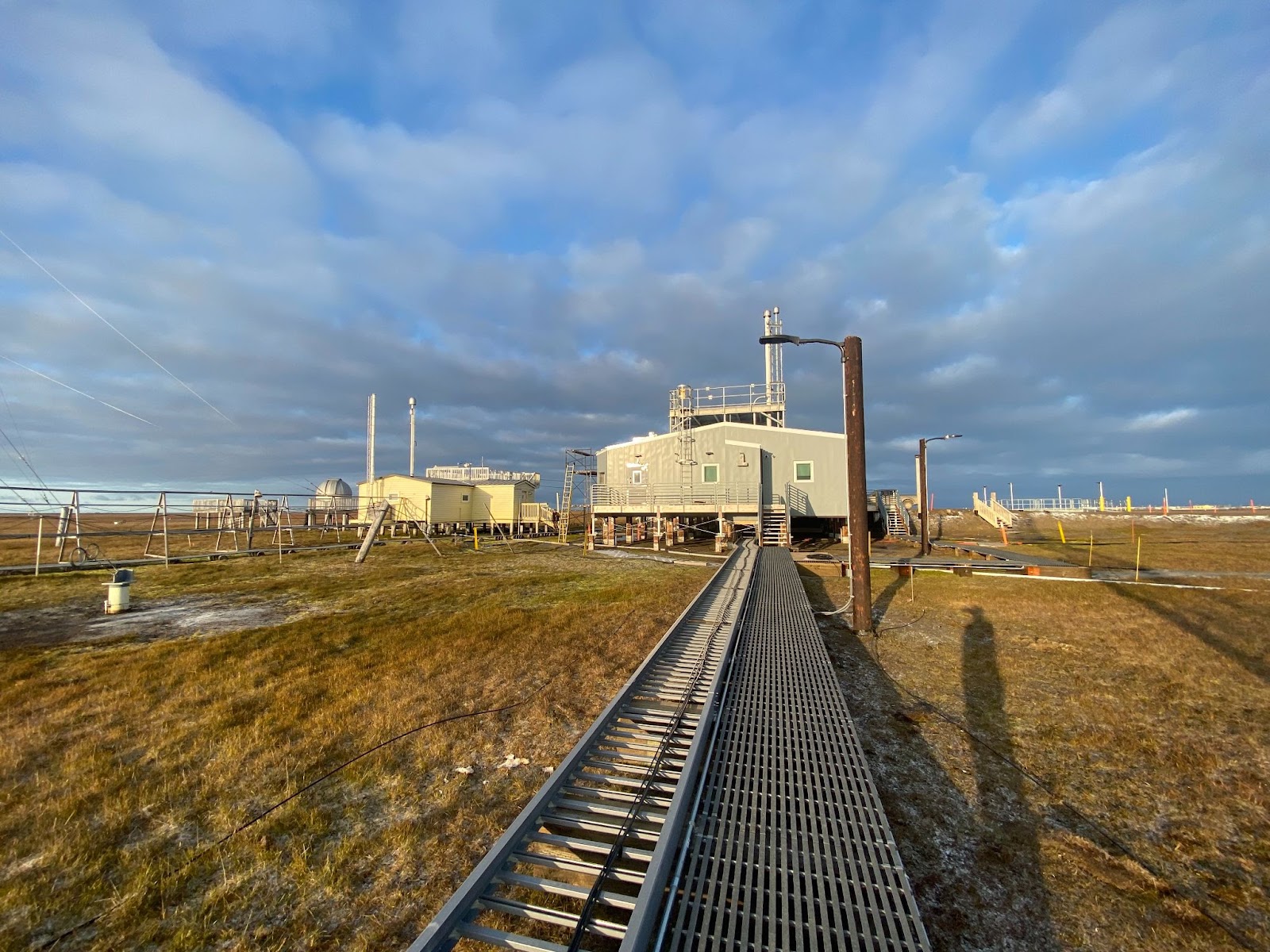
May 2, 2022
Surface ozone depletion events are taking place in Utqiaġvik, Alaska
Springtime (March-May) in the arctic is the prime time for surface ozone depletion events. Since March, several depletion events have been captured by surface ozone measurements at NOAA Barrow Atmospheric Research Observatory near Utqiaġvik, Alaska.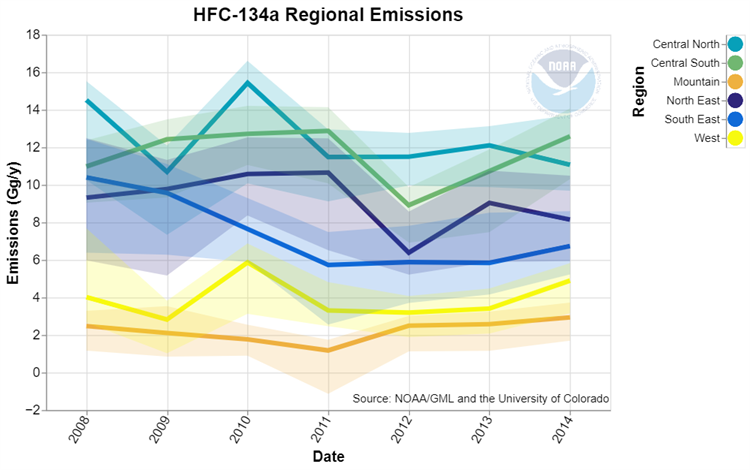
April 25, 2022
NOAA’s observations help EPA track emissions of a family of greenhouse gases
For the first time, the U.S. Environmental Protection Agency is using NOAA atmospheric measurements to help support a national inventory of emissions from an important family of greenhouse gases.
April 7, 2022
Increase in atmospheric methane set another record during 2021
For the second year in a row, NOAA scientists observed a record annual increase in atmospheric levels of methane, a powerful, heat-trapping greenhouse gas that’s the second biggest contributor to human-caused global warming after carbon dioxide.
April 1, 2022
Modeling greenhouse gas emissions from atmospheric observations with Lei Hu
In celebration of Women’s History Month, this article continues a series of interviews with NOAA Research employees and scientists.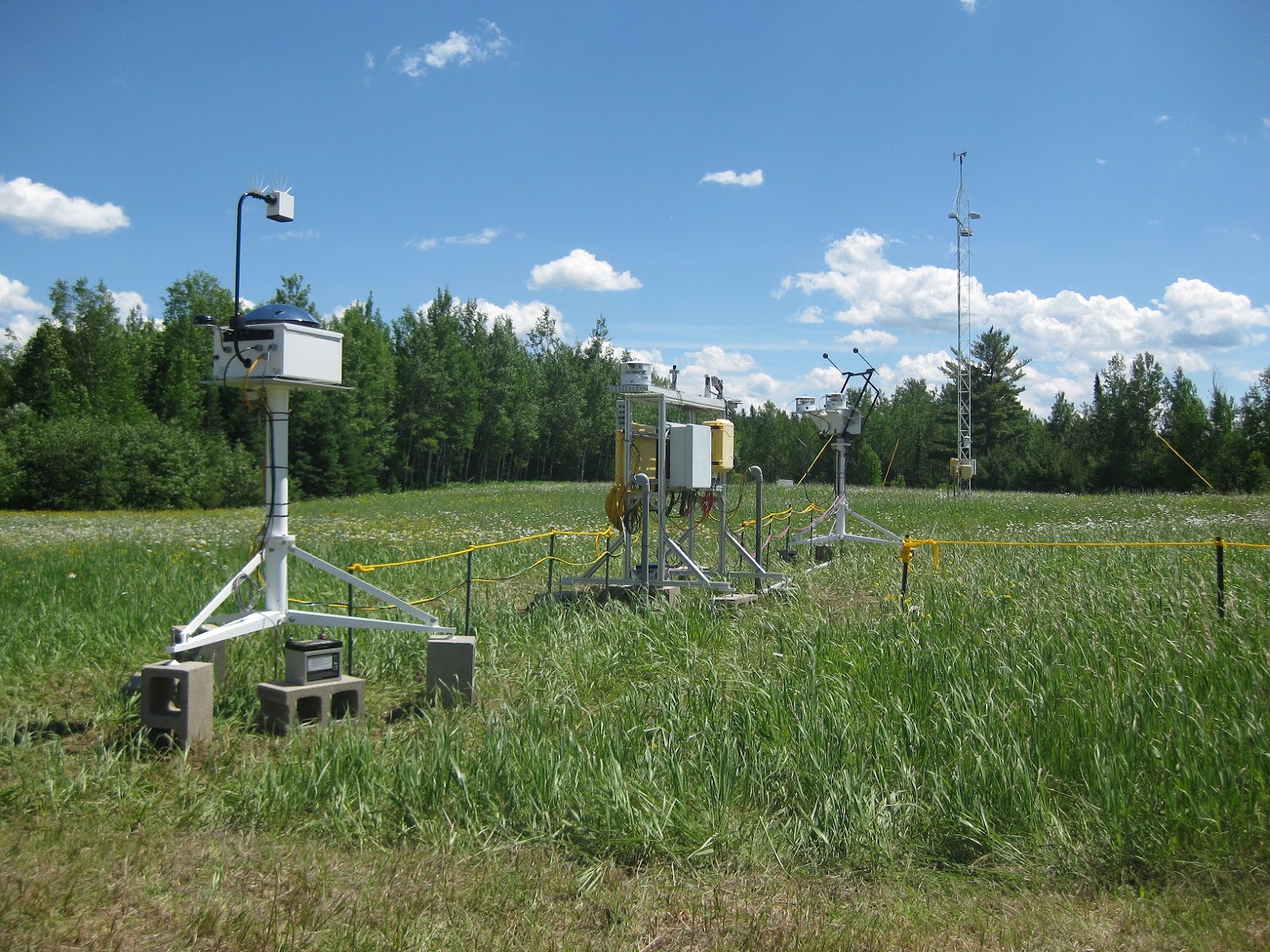
March 21, 2022
Fair-weather cumulus clouds are found to stimulate more surface energy exchange over a forested landscape
New research found that low, fair-weather, cumulus clouds stimulate stronger surface energy exchange in comparison to other sky conditions over a forested landscape in northern Wisconsin.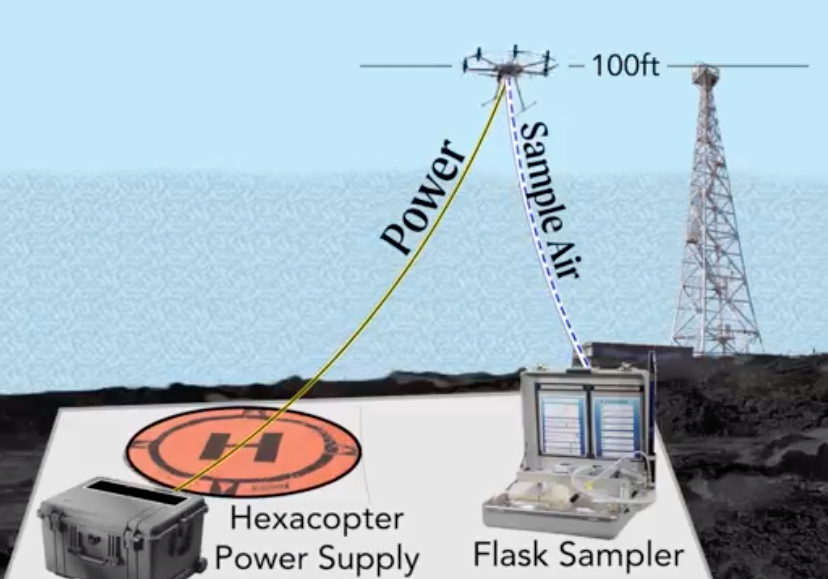
March 18, 2022
NOAA Global Monitoring Laboratory Development of a UAS “Virtual Tower” for Gas and Ozone Measurements
Scientists from NOAA’s Global Monitoring Laboratory (GML) have undertaken novel development of an uncrewed aircraft system (UAS) “hexacopter” that will enable the lab to not only recommence a long-standing mission that was recently forced to halt, but paves the way toward enhanced operations in the future.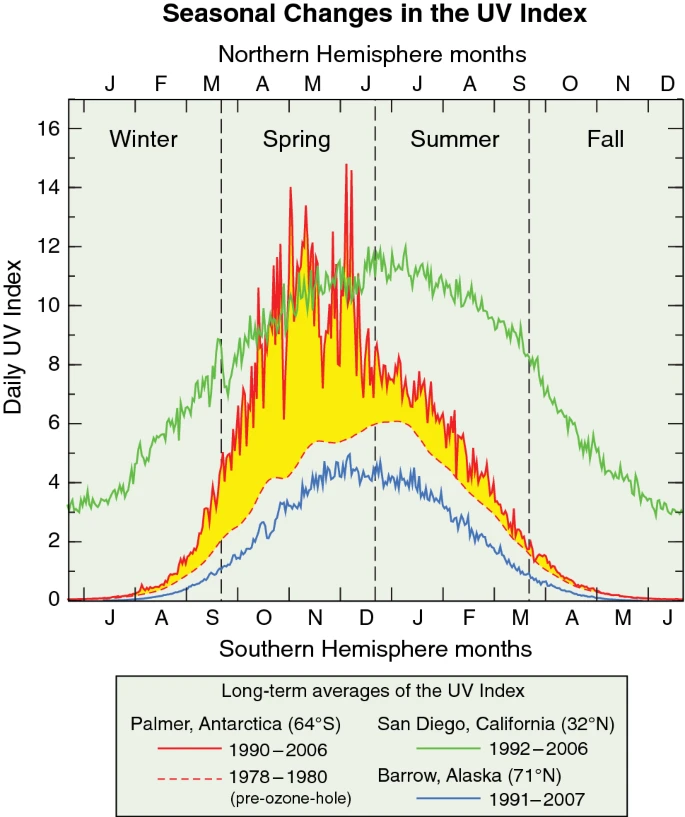
March 11, 2022
Research confirms the large impact of the Antarctic ozone hole on UV radiation
New research in confirms a large effect of the Antarctic ozone hole on UV radiation.