


News

May 23, 2021
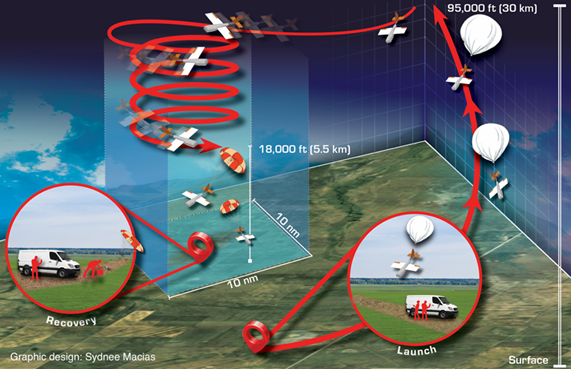
NOAA’s Global Monitoring Laboratory Testing High-Altitude Operational Returning Unmanned System at NASA’s Armstrong Flight Research Center and Edwards Air Force Base
Global Monitoring Laboratory (GML) and Cooperative Institute for Research in Environmental Sciences (CIRES) scientists are launching a new AirCore field campaign to test a new method for high-altitude air sampling and instrument recovery.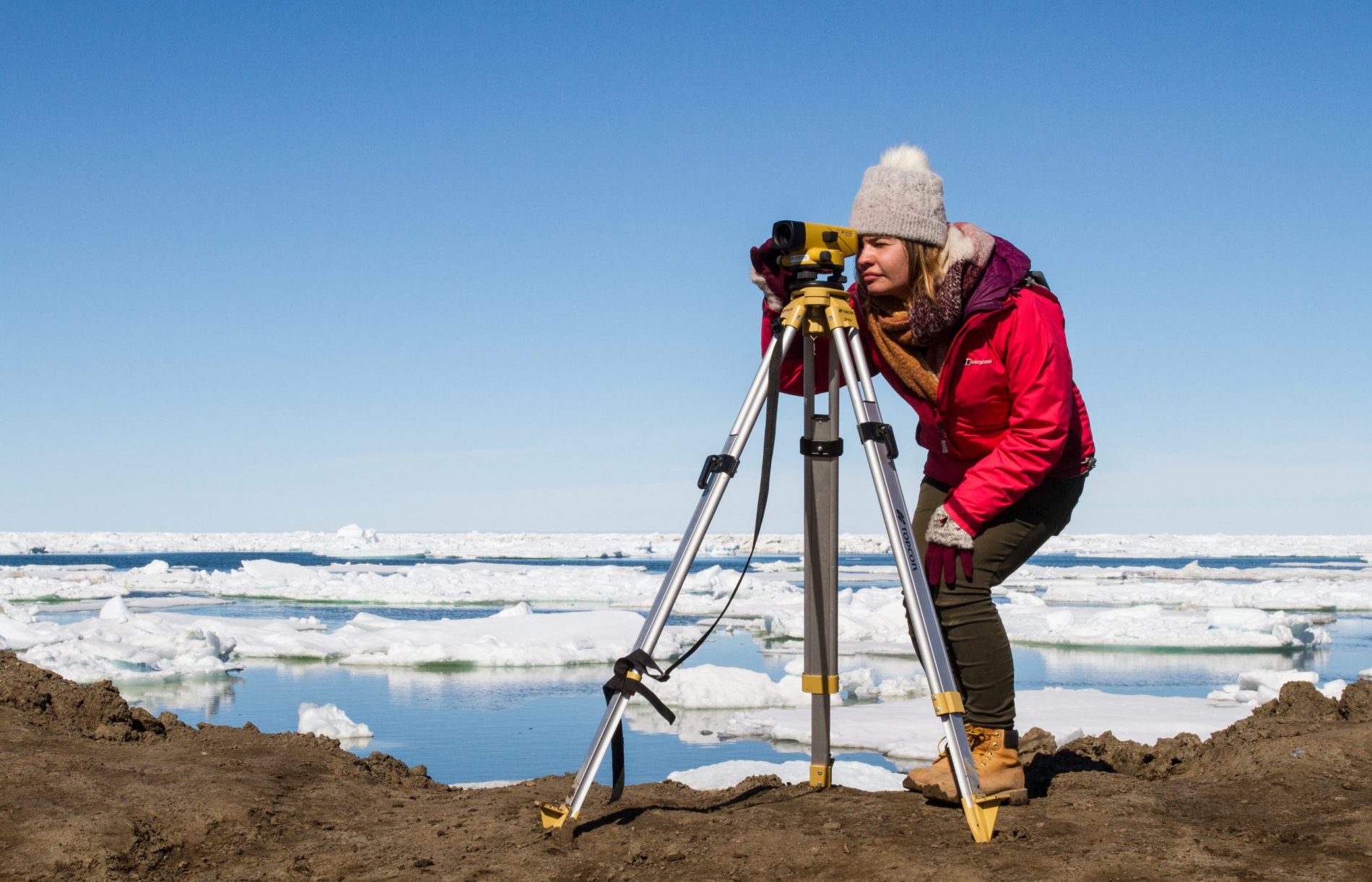
April 20, 2021
5 ways NOAA scientists are answering big questions about climate change
Scientists at NOAA have long worked to track, understand and predict how climate change is progressing and impacting ecosystems, communities and economies. This Earth Day, take a look at five ways scientists are studying this far-reaching global trend.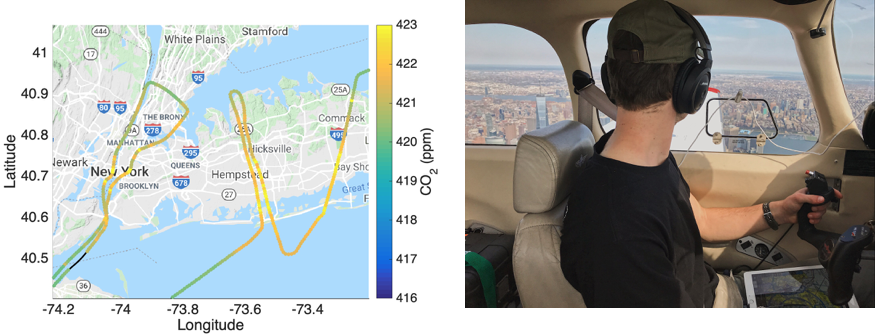
April 10, 2021
Can we see a change in the CO2 record because of COVID-19?
April 7, 2021
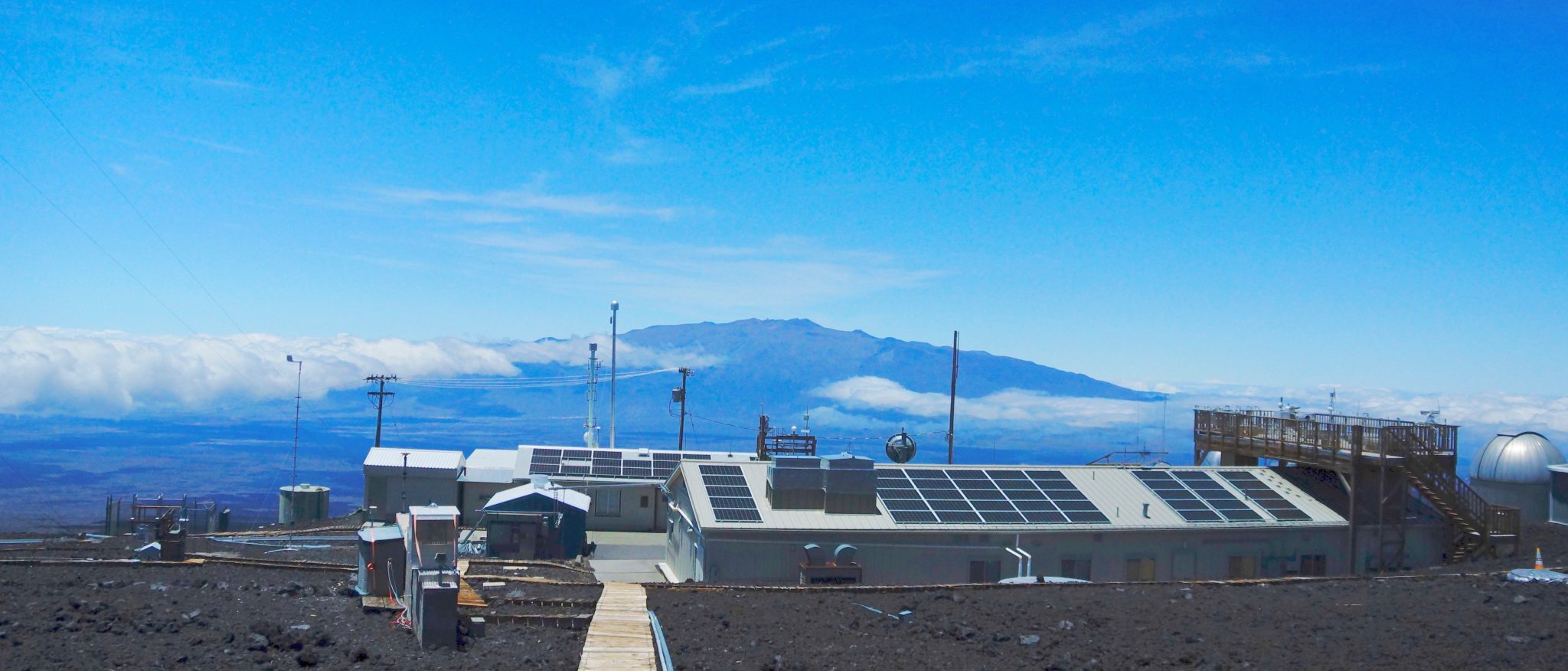
Despite pandemic shutdowns, carbon dioxide and methane surged in 2020
Levels of the two most important anthropogenic greenhouse gases, carbon dioxide and methane, continued their unrelenting rise in 2020 despite the economic slowdown caused by the coronavirus pandemic response.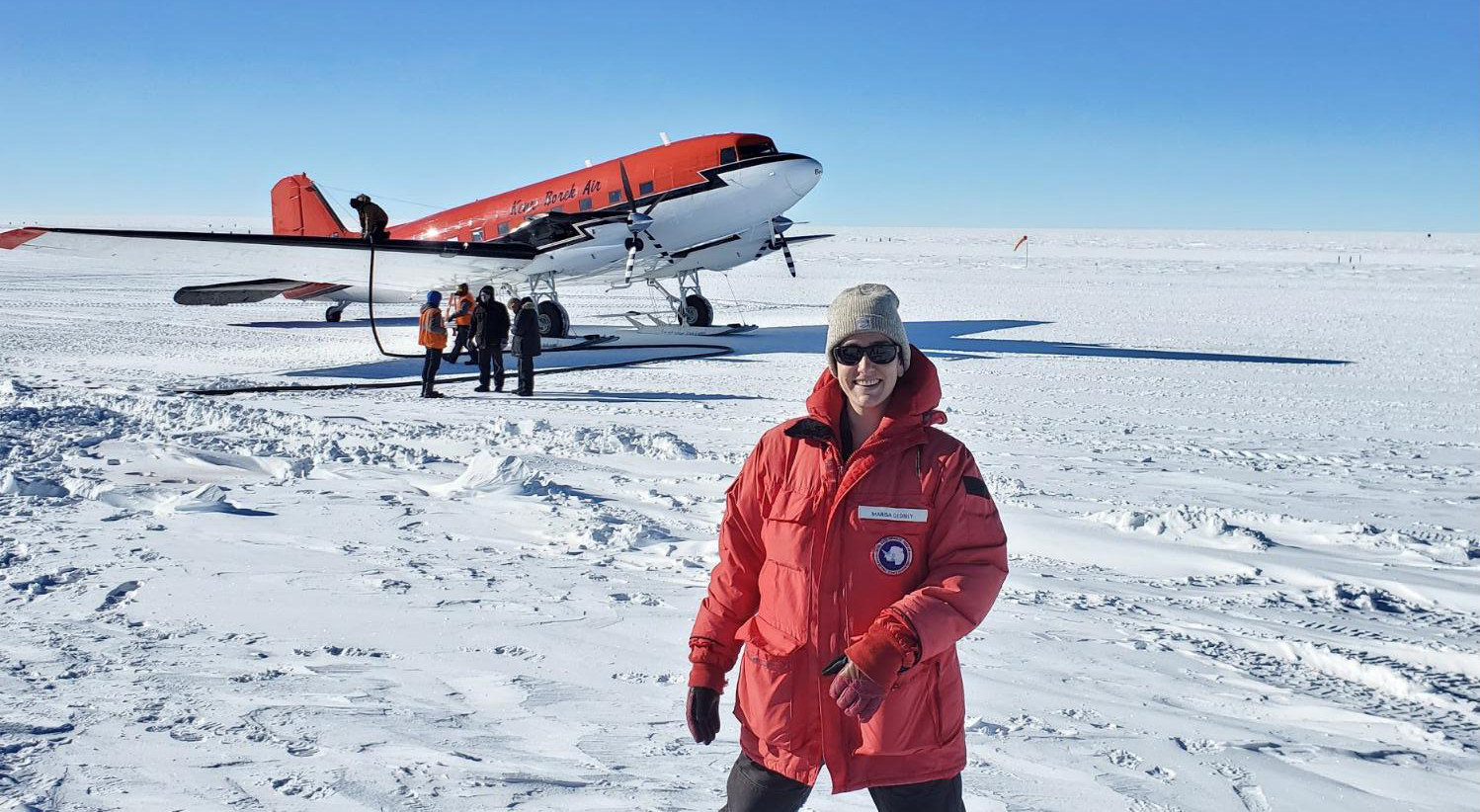
March 31, 2021
Women’s History Month: A conversation with NOAA Corps Officer LTJG Marisa about her 13 months “on the ice”
In honor of Women’s History Month, Global Monitoring Laboratory (GML) is highlighting some of the great work done by our scientists. Today’s story expands on a previous one introducing a day in the life at the South Pole for NOAA Corps Officer Lieutenant Junior Grade Marisa Gedney, who served as a Station Officer at the Amundsen-Scott South Pole Station in Antarctica.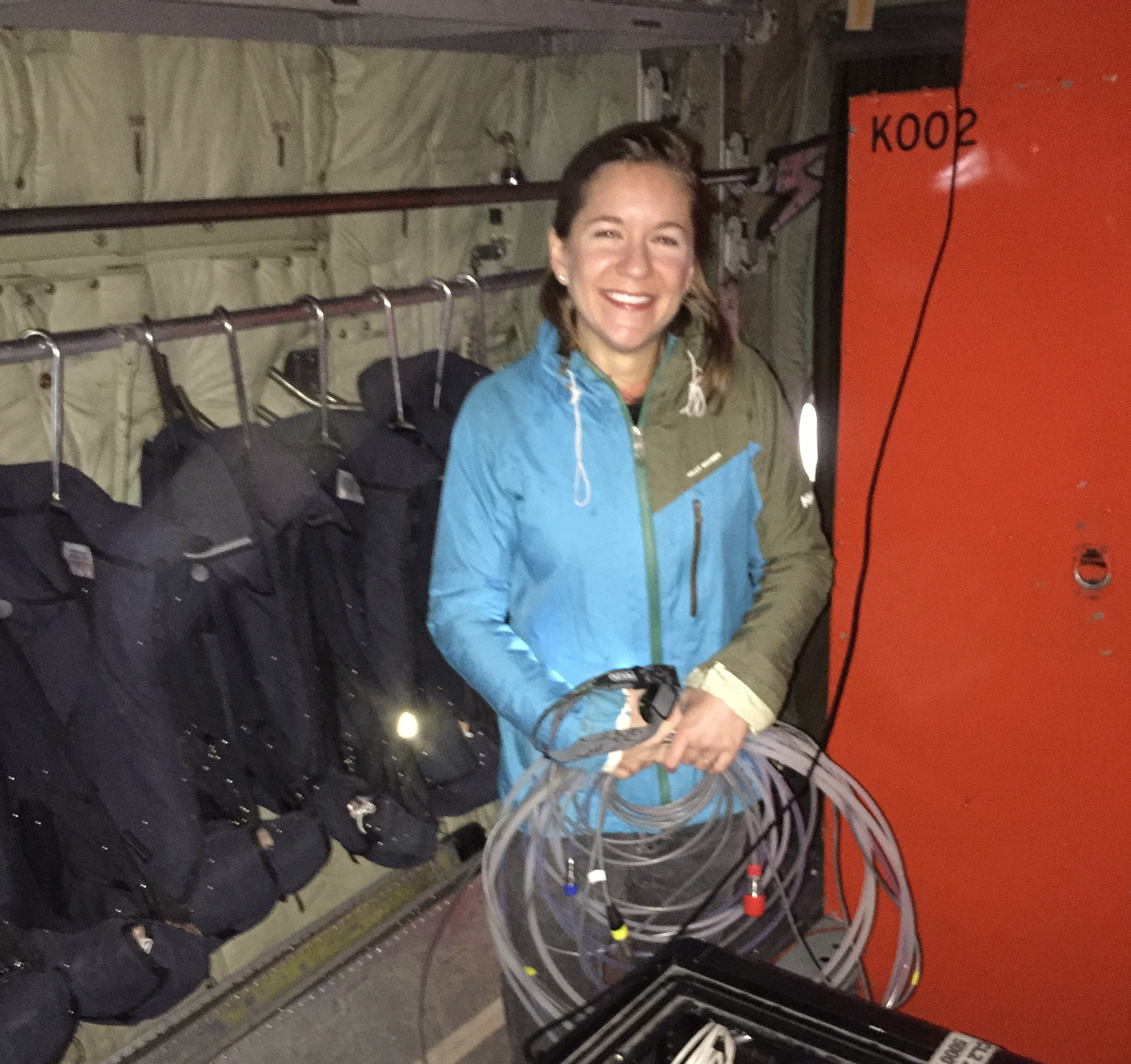
March 25, 2021
Measuring greenhouse gases in Africa - while working from home in Boulder
A profile of Kathryn McKain, a research scientist with CIRES and GML.
February 22, 2021
GML Employee of the Quarter - Gataivai "Vai" Talamoa

February 17, 2021
COVID-19 Lockdowns Reduced Ozone Pollution Over the Northern Hemisphere
During COVID-19 shutdowns last year, ozone levels in the lower atmosphere fell by seven percent across much of the Northern Hemisphere, according to a new study.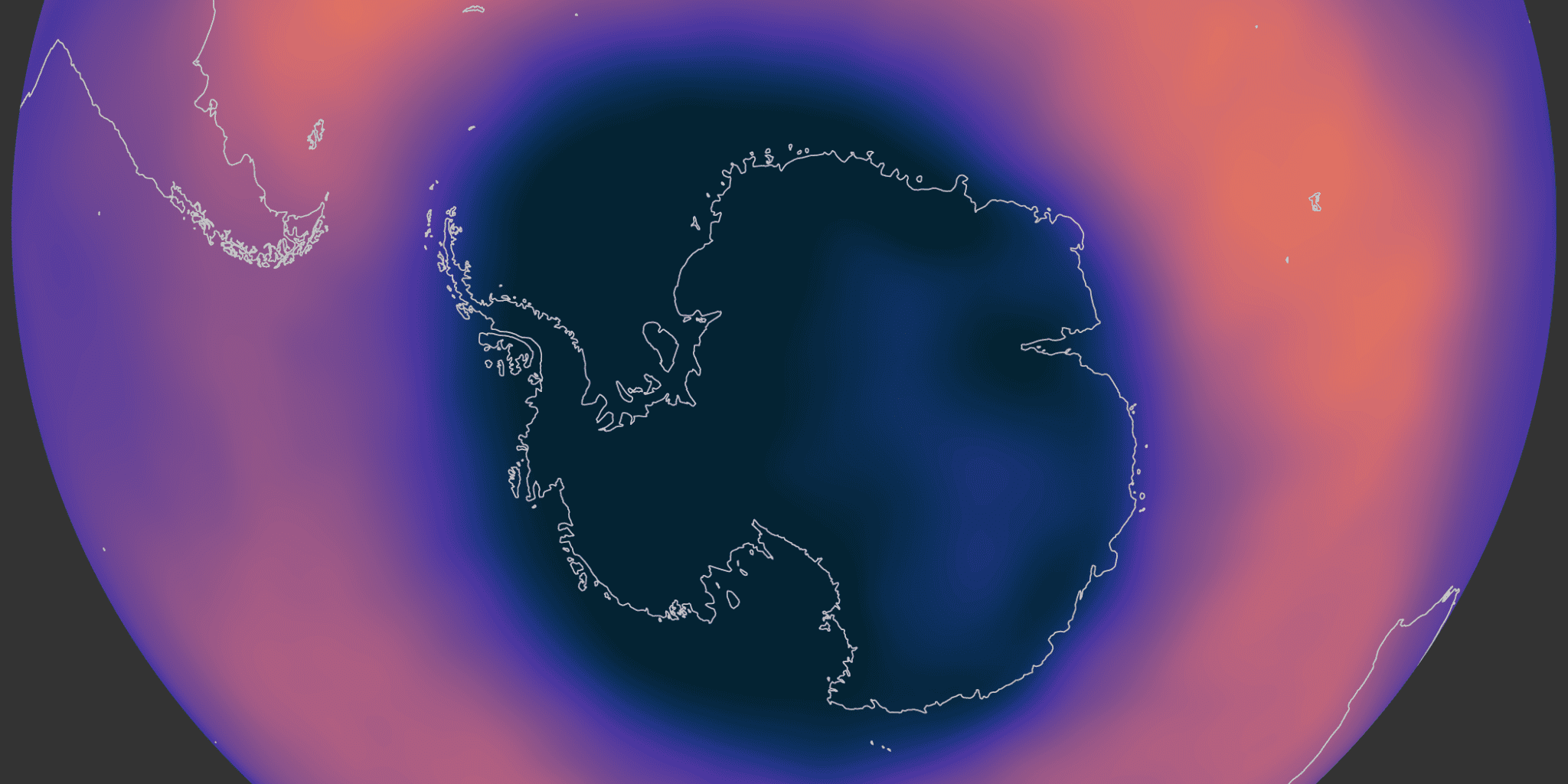
February 10, 2021
Emissions of a banned ozone-depleting gas are back on the decline
Five years after an unexpected spike in emissions of the banned ozone-depleting chemical chlorofluorocarbon CFC-11, emissions dropped sharply between 2018 and 2019, new analyses of global air measurements show.
January 7, 2021
GML Scientists win DOC Gold Medal
GML Scientists were part of a group that won a Department of Commerce Gold Medal Group Award for Scientific / Engineering Achievement
January 7, 2021
GML Scientist elected AGU Fellow
Dr. Edward J. Dlugokencky, Global Monitoring Laboratory, was awarded as an AGU Fellow for the class of 2020.
October 30, 2020
Large, deep Antarctic ozone hole to persist into November
Persistent cold temperatures and strong circumpolar winds supported the formation of a large and deep Antarctic ozone hole that will persist into November, NOAA and NASA scientists reported today.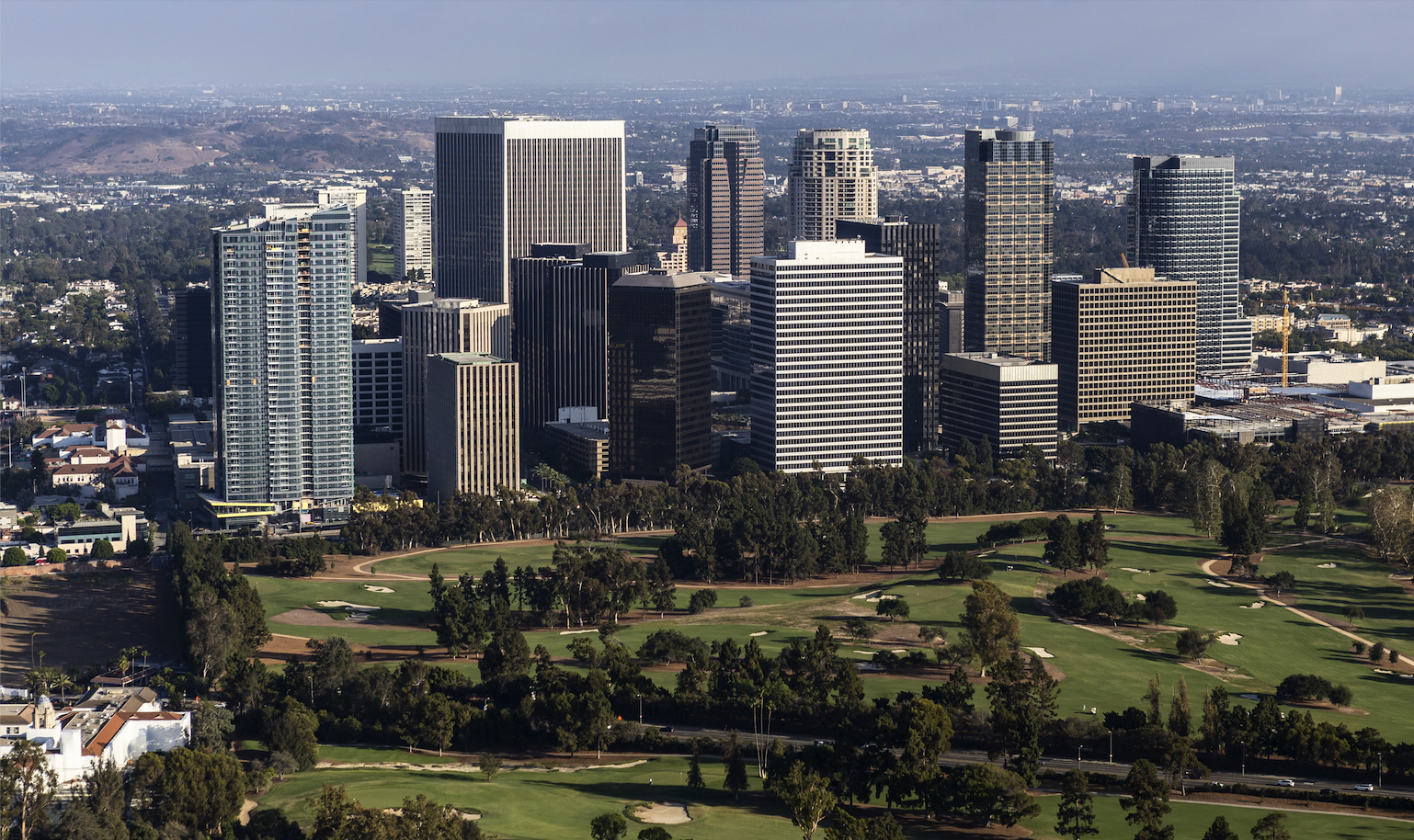
October 12, 2020
Lawns provide surprising contribution to L.A. Basin’s carbon emissions
The Los Angeles Basin is often thought of as a dry, smoggy, overdeveloped landscape. But a new study led by NOAA and the University of Colorado, Boulder shows that the manicured lawns, emerald golf courses and trees of America’s second-largest city have a surprisingly large influence on the city’s carbon emissions.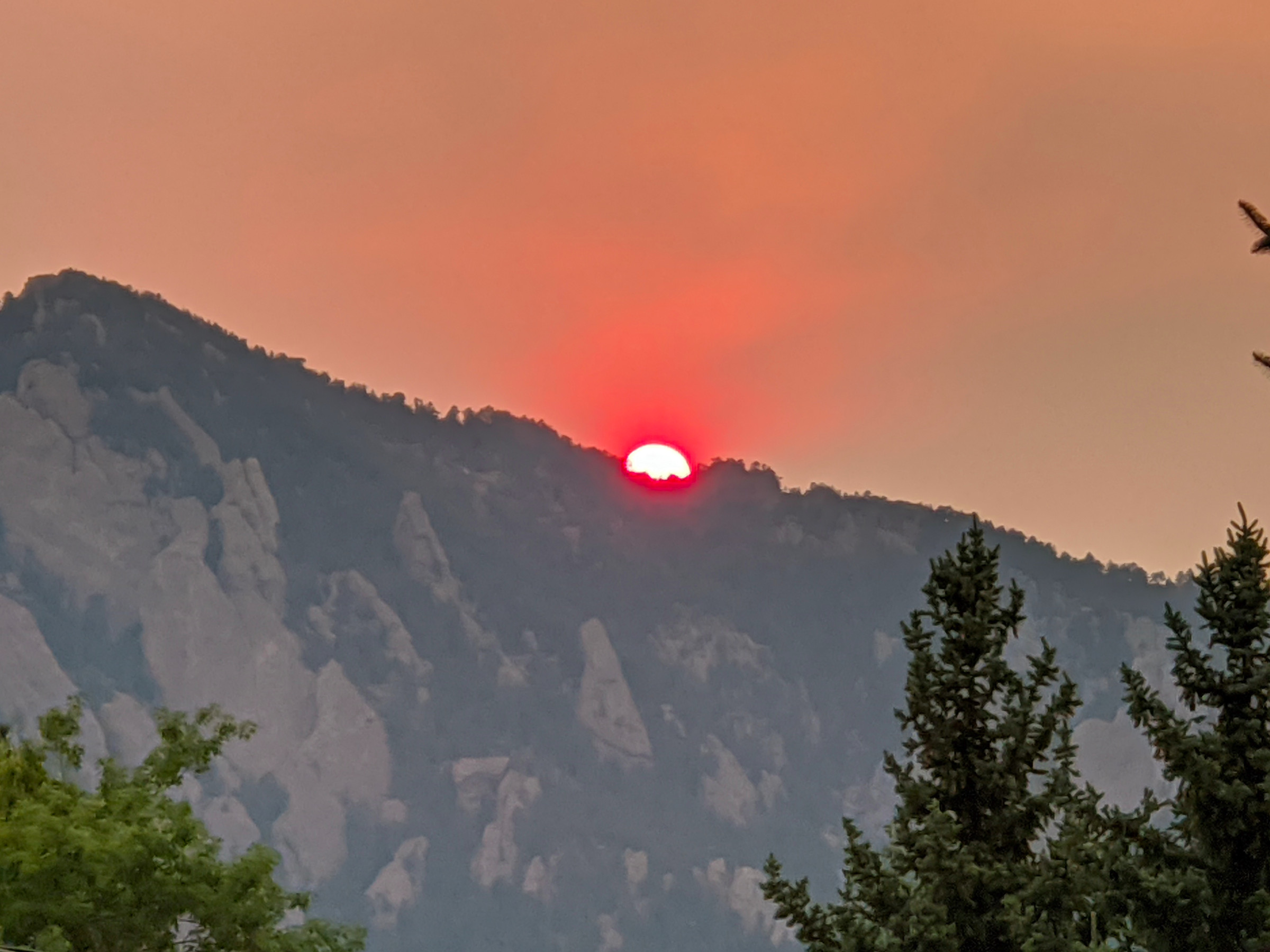
August 17, 2020
August wildfire smoke impacts Boulder aerosol measurements
June 4, 2020
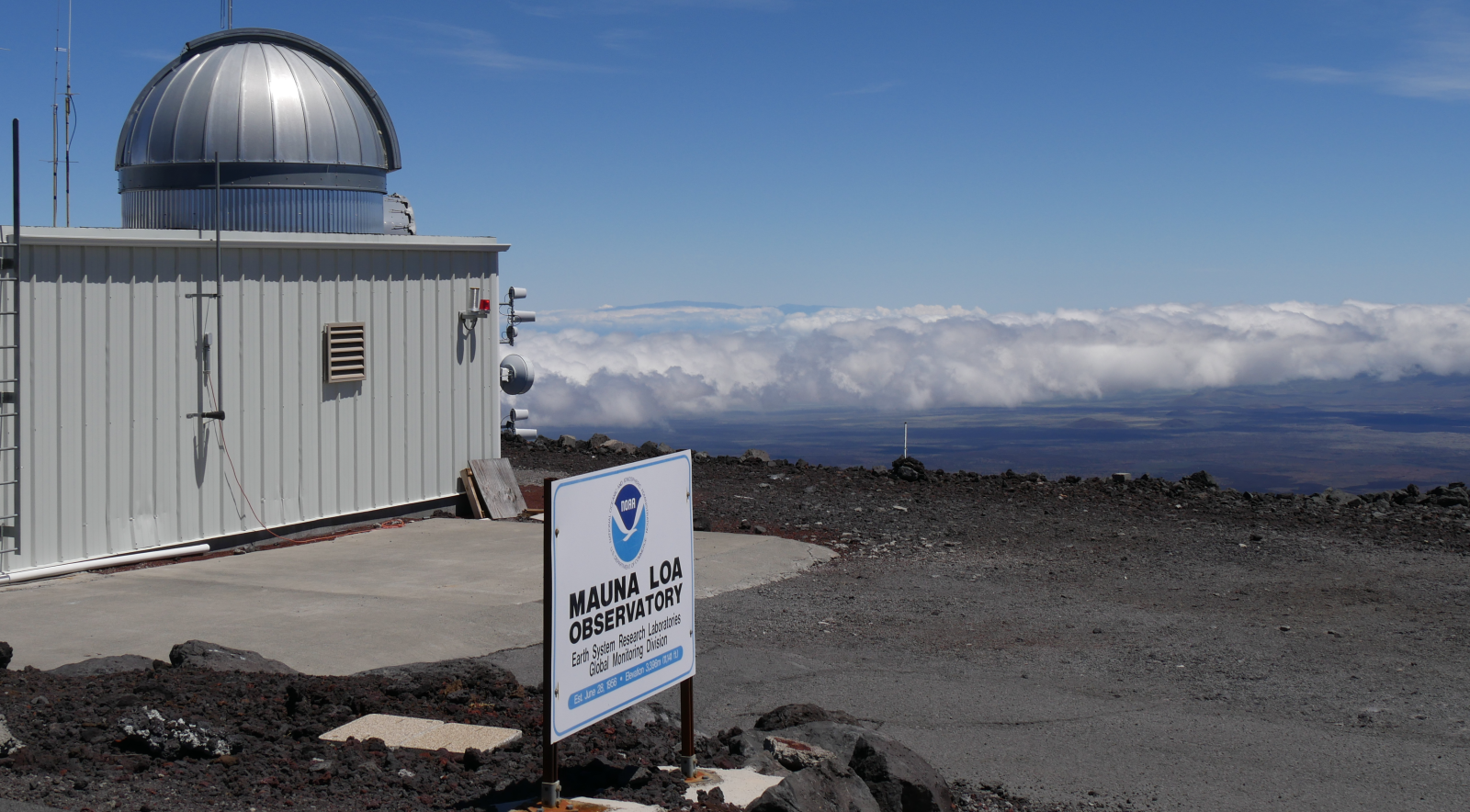
Rise of carbon dioxide unabated
Seasonal peak reaches 417 parts per million at Mauna Loa observatory