


News

July 20, 2021
NOAA-NASA collaboration to study the impact of convective storms and the North American Summer Monsoon on stratospheric chemistry
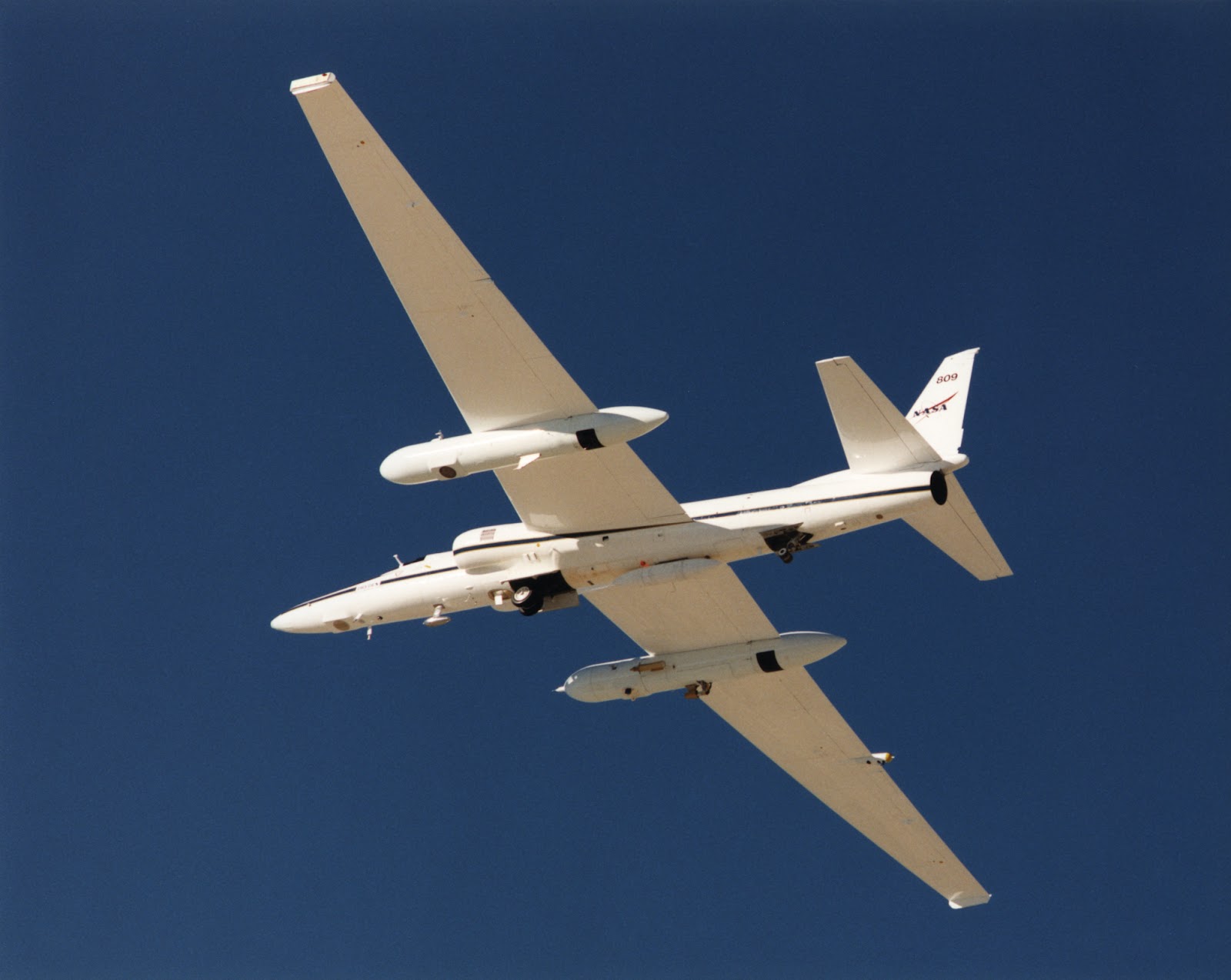
Global Monitoring Laboratory and NASA team up in the DCOTSS (Dynamics and Chemistry of the Summer Stratosphere) project to study the convective impact of the North American Monsoon Anticyclone on stratospheric composition and ozone depletion.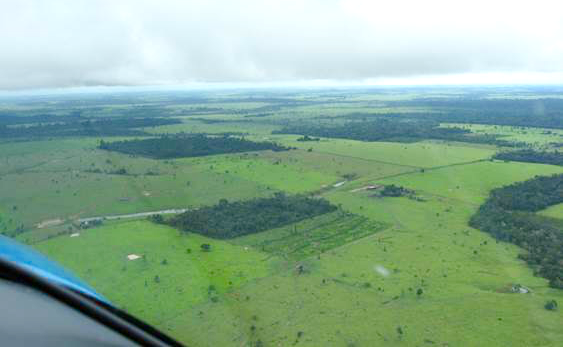
July 14, 2021
Deforestation, warming flip part of Amazon forest from carbon sink to source
New results from a nine-year research project in the eastern Amazon rainforest finds that significant deforestation in eastern and southeastern Brazil has been associated with a long-term decrease in rainfall and increase in temperature during the dry season, turning what was once a forest that absorbed carbon dioxide into a source of planet-warming carbon dioxide emissions.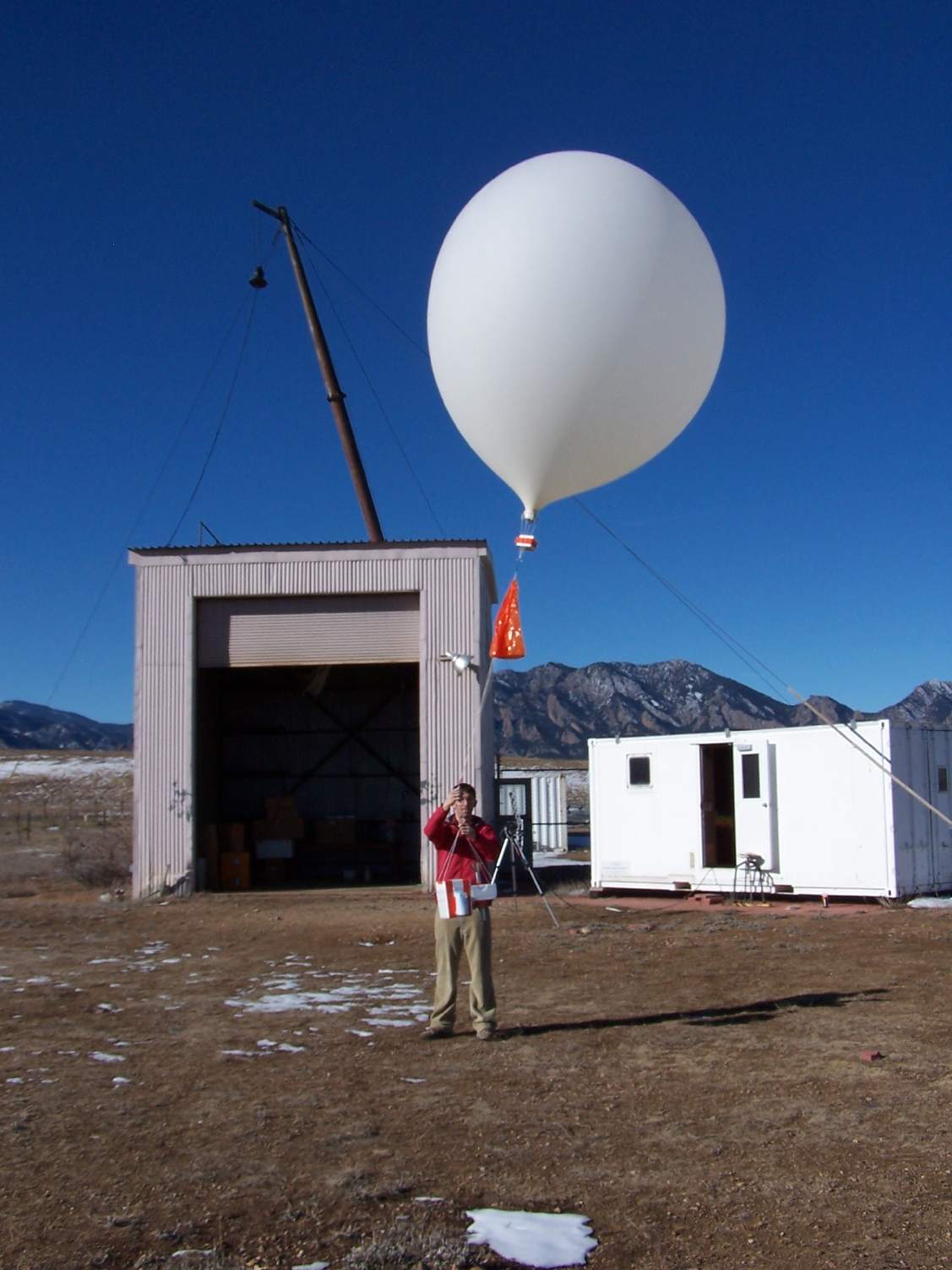
July 14, 2021
GML redesigning its 41-year-old, balloon-borne frost point hygrometer
The Global Monitoring Laboratory is currently redesigning the 41-year-old, balloon-borne frost point hygrometer that measures vertical profiles of water vapor from the surface to about 28 km above sea level in the middle stratosphere.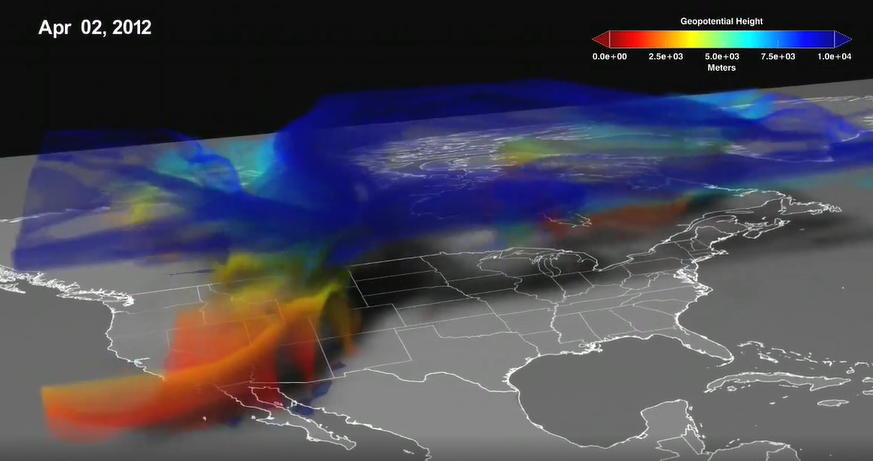
July 13, 2021
GML homogenizes a Cohesive Record for NOAA Ozone Data
The Global Monitoring Laboratory finished homogenizing multiple NOAA satellite and in-situ ozone records up until 2020, which will be used for trend analysis to understand the current status of ozone depletion in the stratosphere.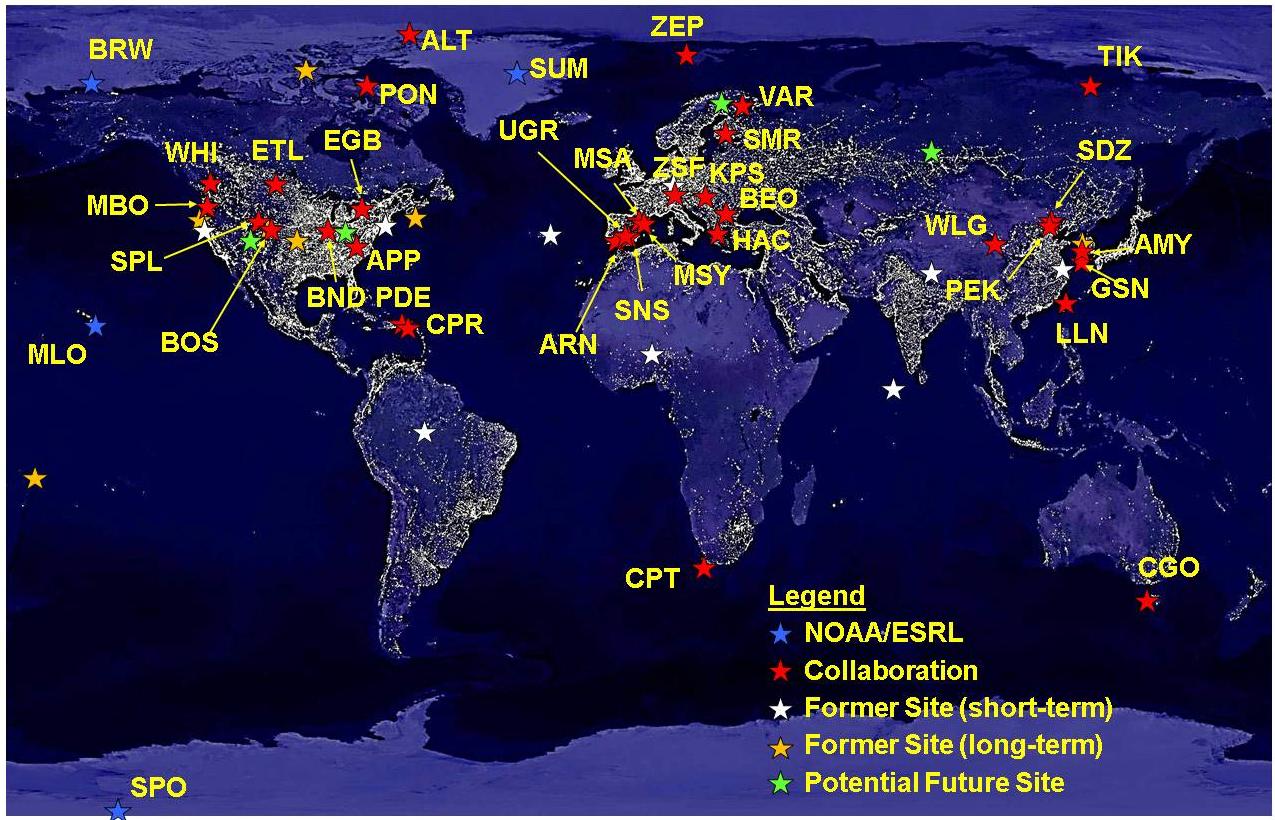
July 6, 2021
NOAA Federated Aerosol Network to add two new stations by the end of 2021
The NOAA Federated Aerosol Network (NFAN) is in the process of adding two new stations - one operated by the University of Miami at Ragged Point, Barbados, and one operated by the Air Force Institute of Technology at the Wright Patterson Air Force Base, Ohio.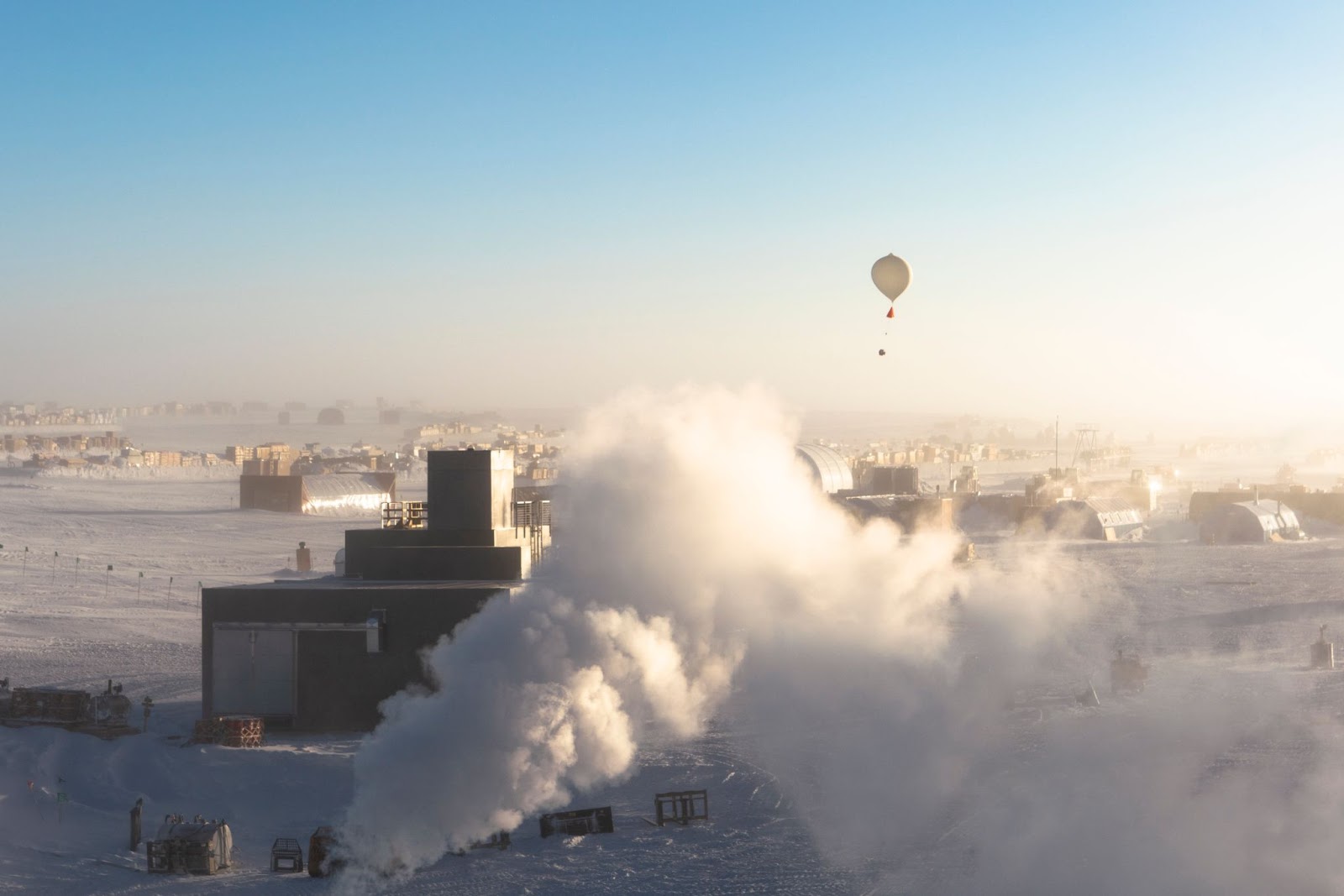
June 25, 2021
Rising ozone pollution in Antarctica over the last 26 years
New research has found that surface ozone measured in Antarctica has been rising over the last 26 years (1992-2018).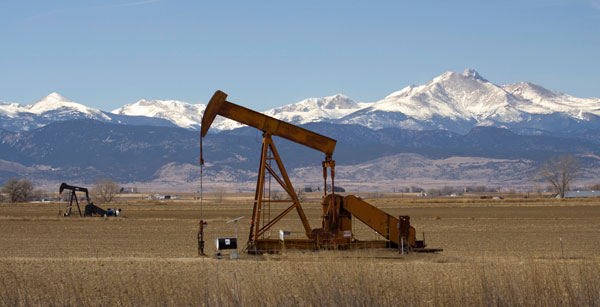
June 25, 2021
New research suggests no significant reduction in total oil and natural gas emissions from 2008 to 2016 in Weld County, Colorado
New research suggests no evident reduction in total oil and natural gas emissions and their contribution to the regional air quality from 2008 to 2016 in Weld County, in Northeastern Colorado.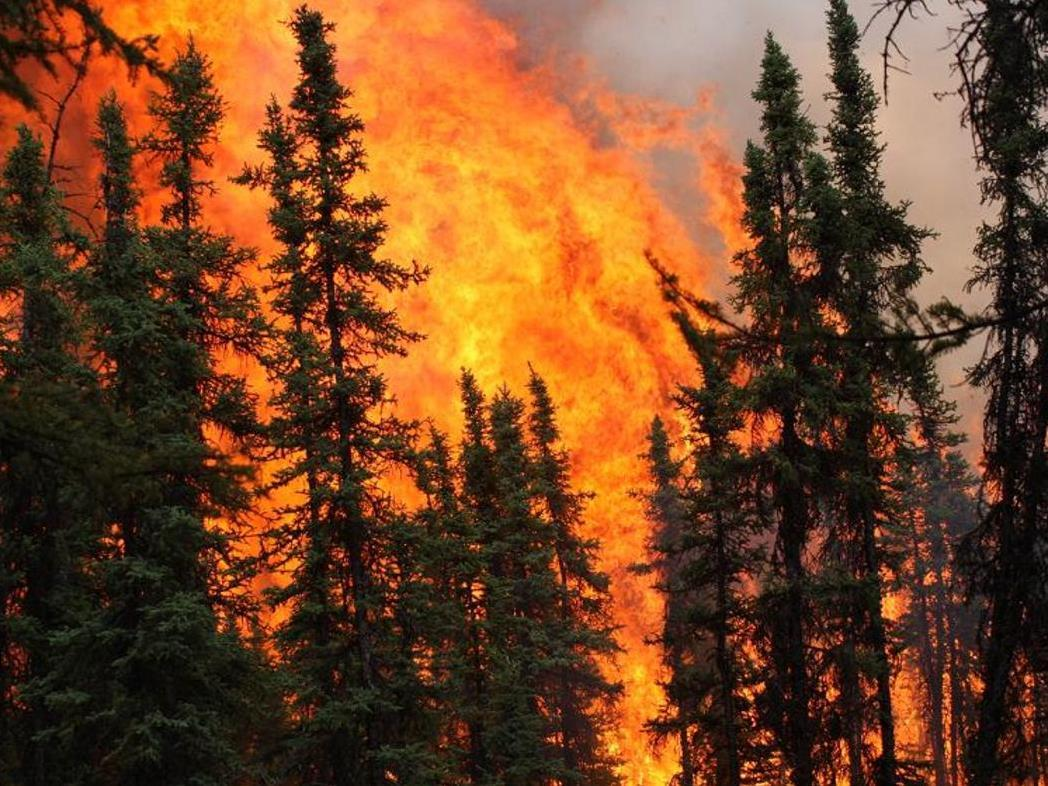
June 21, 2021
Remote monitoring towers provide data that advance the understanding of boreal forest fires
Boreal forest fires influence the global carbon cycle and climate system by consuming aboveground and underground biomass and directly releasing carbon dioxide, other trace gases, and aerosols into the atmosphere. A new study with GML co-authors quantified emission factors of carbon monoxide and methane using ground-based observations from the Carbon in Arctic Reservoirs Vulnerability Experiment (CRV) tower in Alaska.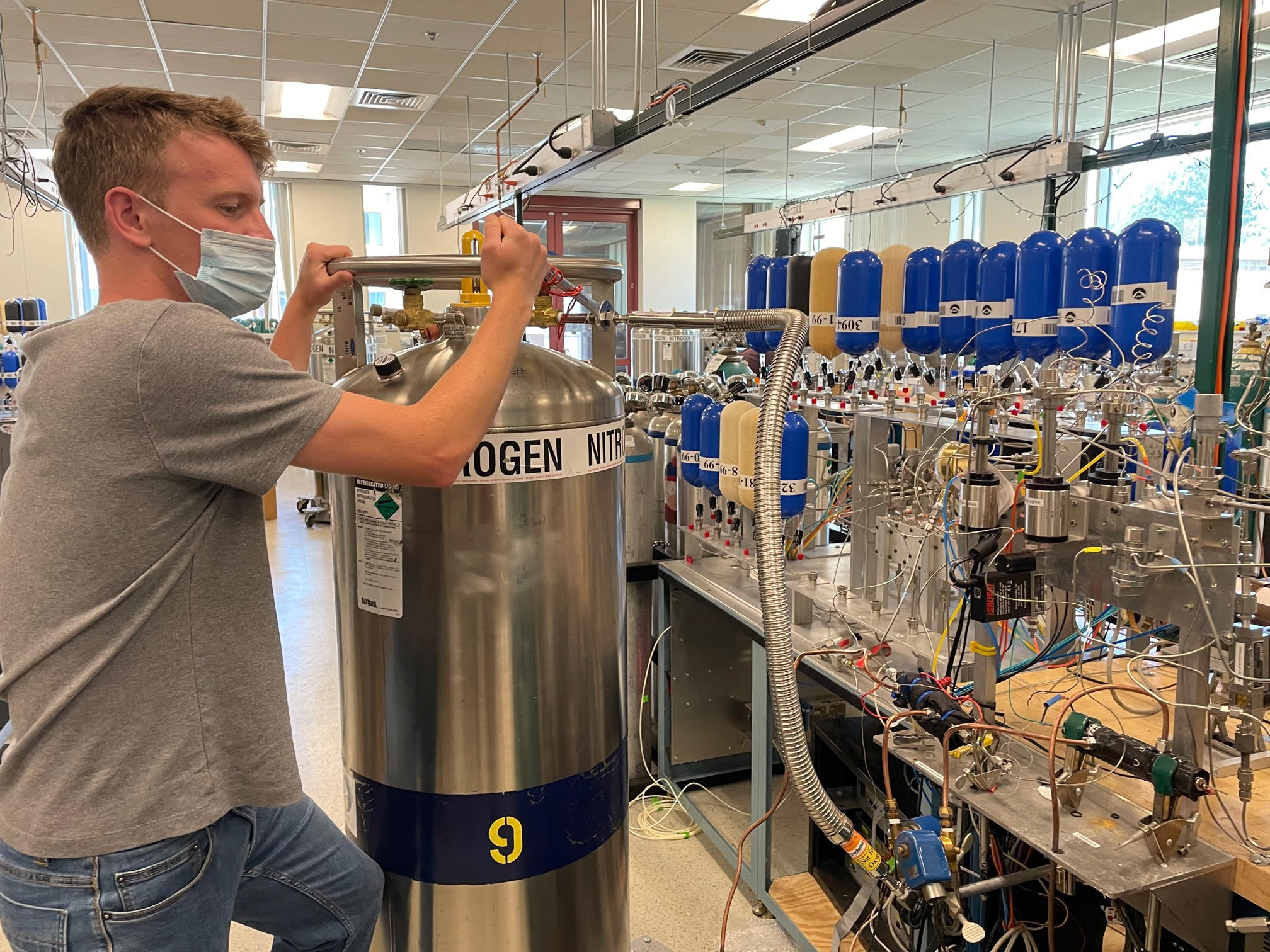
June 17, 2021
New analysis shows microbial sources fueling rise of atmospheric methane
The sudden and sustained rise in atmospheric levels of the potent greenhouse gas methane since 2007 has posed one of the most significant and pressing questions in climate research. A research team led by CIRES and NOAA scientists has tested the leading theories for surging methane levels by analyzing the stable carbon isotope ratios (δ13C-CH4) from methane captured in a large set of global air samples.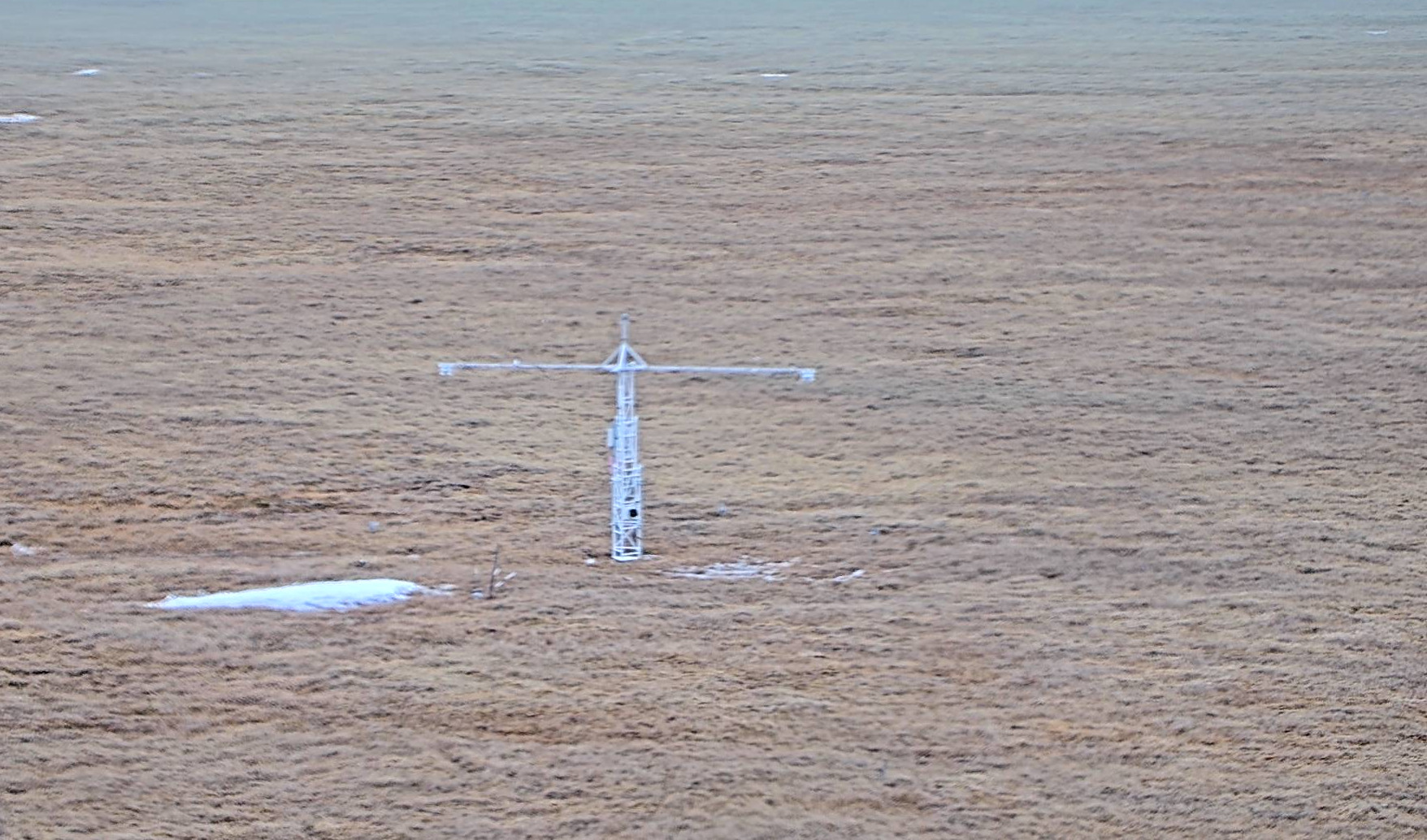
June 16, 2021
2021 snow-free season started on June 14 at GML Barrow Observatory
On June 14, 2021, the daily mean surface albedo at Global Monitoring Laboratory (GML) Barrow Atmospheric Baseline Observatory dropped below 0.3, indicating the start of the snow-free season. The snowmelt day ranked 6th latest of the latest 24 years and 44th latest since 1926.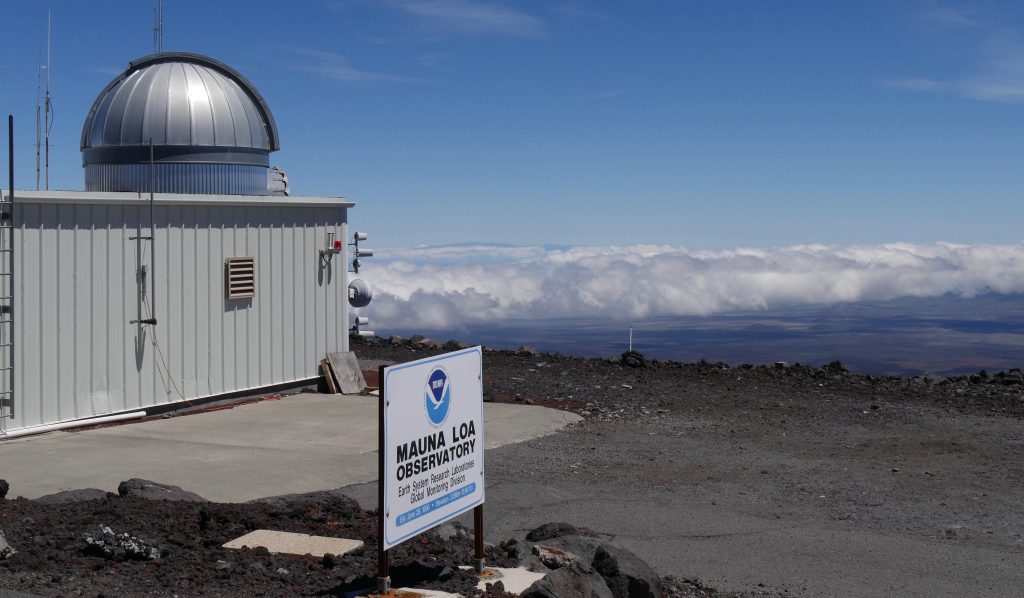
June 7, 2021
Carbon dioxide peaks near 420 parts per million at Mauna Loa observatory
Atmospheric carbon dioxide measured at NOAA’s Mauna Loa Atmospheric Baseline Observatory peaked for 2021 in May at a monthly average of 419 parts per million (ppm), the highest level since accurate measurements began 63 years ago, scientists from NOAA and Scripps Institution of Oceanography at the University of California San Diego announced today.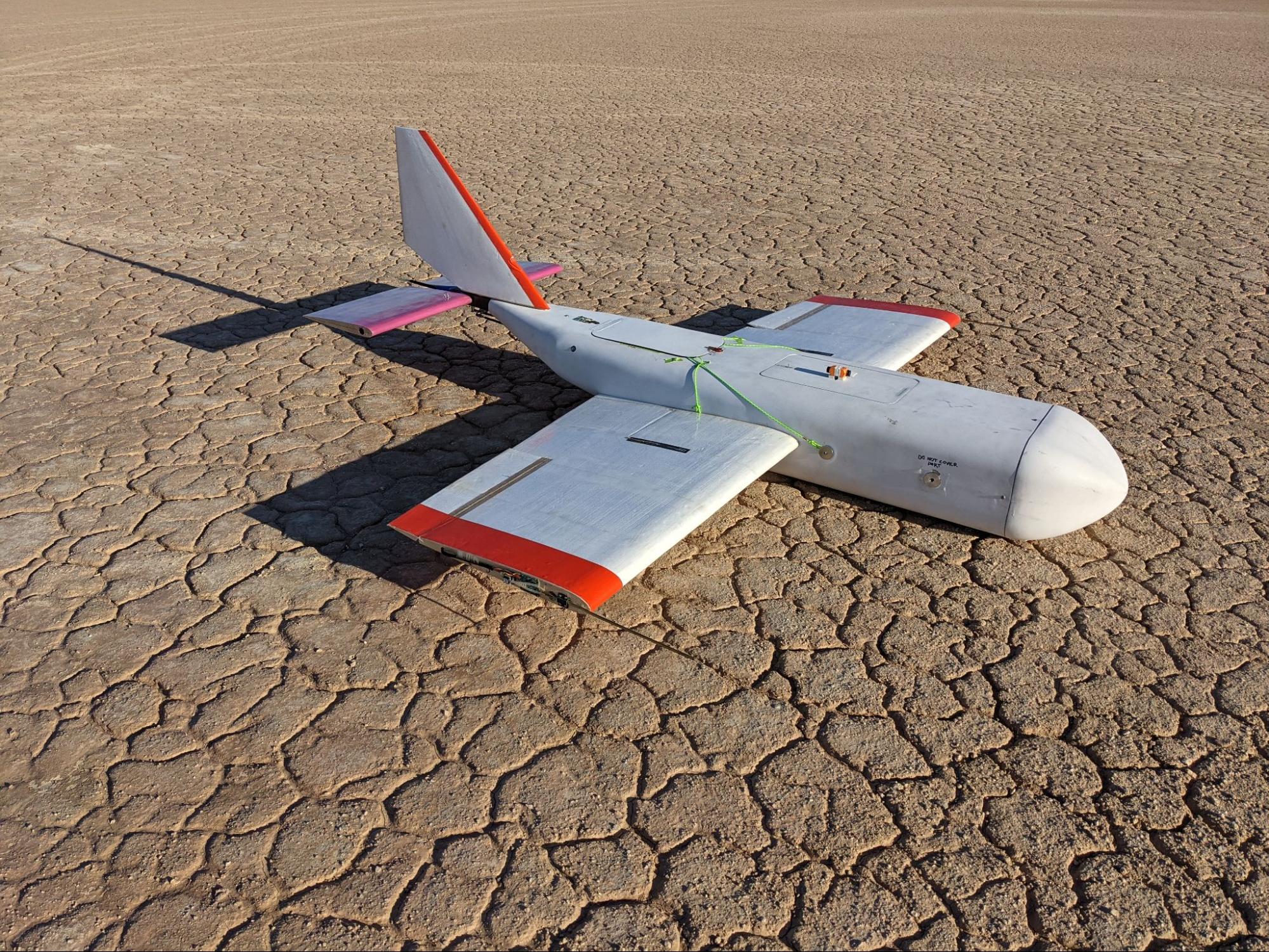
June 4, 2021
GML scientists successfully test high-altitude return glider with the AirCore science package
Global Monitoring Laboratory (GML) and Cooperative Institute for Research in Environmental Sciences (CIRES) scientists successfully tested a new method for high-altitude air sampling and instrument recovery from May 13-25, 2021.
June 3, 2021
NOAA, Boeing team up to test greenhouse gas-measuring technology
NOAA and Boeing are teaming up to evaluate the best placement for a NOAA greenhouse gas sampling system on a commercial jet by testing options on a new Boeing 737 as part of Boeing’s 2021 ecoDemonstrator flying test bed program.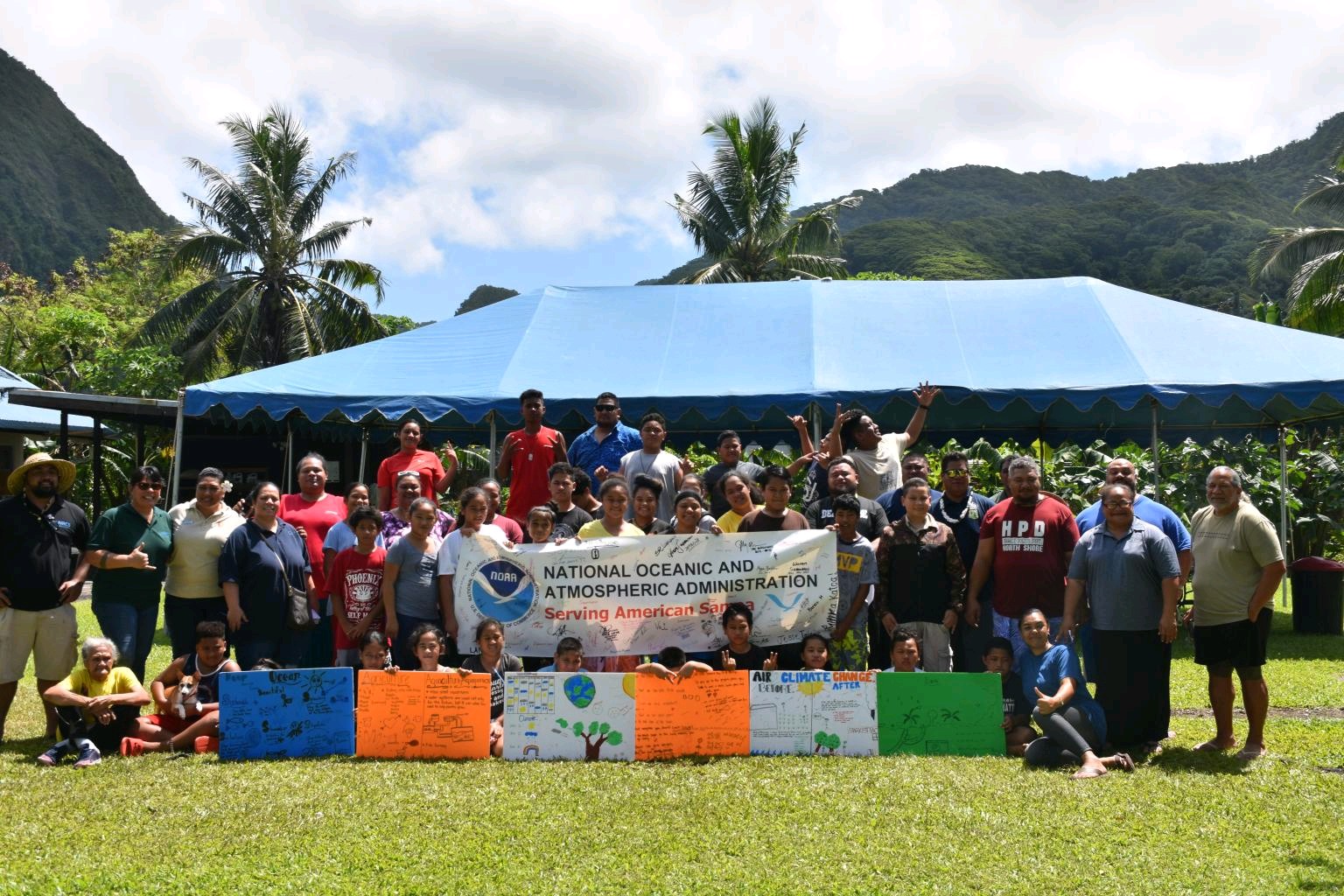
May 27, 2021
Asian American, Native Hawaiian, and Pacific Islanders Heritage Month: A Conversation with Field Operations Chief Gataivai “Vai” Talamoa
In honor of Asian American, Native Hawaiian, and Pacific Islanders (AANHPI) Heritage Month, Global Monitoring Laboratory (GML) is highlighting the great work done by our Field Operations Liaison Gataivai Talamoa (known as “Vai”) at the American Samoa Observatory (SMO) and NOAA Pacific Islands Fisheries Science Center (PIFSC).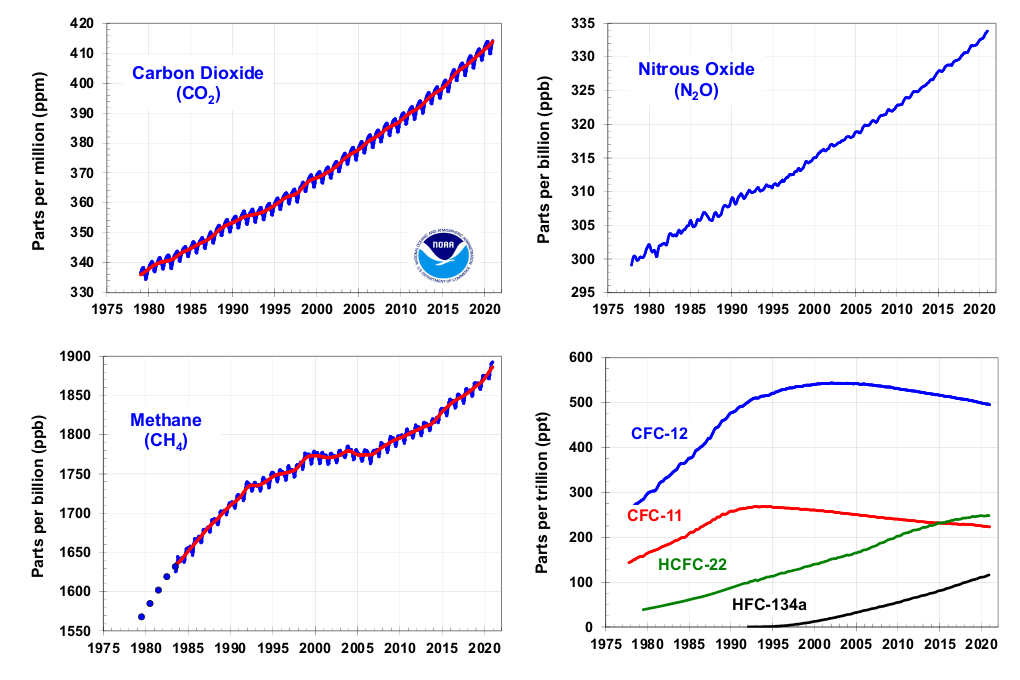
May 24, 2021
NOAA index tracks how greenhouse gas pollution amplified global warming in 2020
Extra heat trapped in the atmosphere by human-caused greenhouse gas pollution continued to exacerbate global warming in 2020