


News


March 9, 2022
Two additional regions of Asia were sources of banned ozone-destroying chemicals
A follow-up investigation by NOAA scientists into the sudden increase in emissions of an ozone-destroying chemical between 2010 and 2018 has determined that three regions of Asia - not just one - were responsible for rising emissions of the banned chemical.
March 8, 2022
Former GML Director James Butler retires
Dr. James Butler, Director of NOAA’s Global Monitoring Laboratory (GML), retired on December 31, 2021 after 35+ years of service to NOAA and the global scientific community.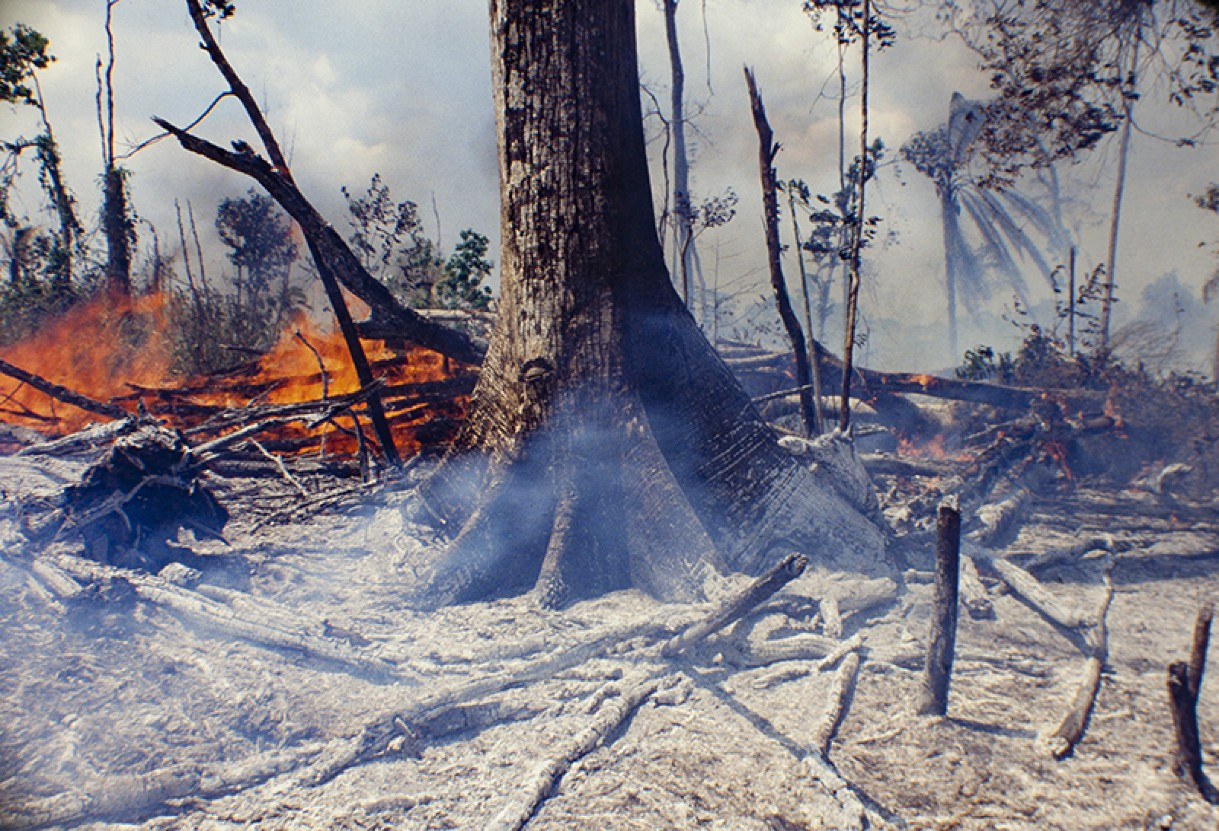
February 24, 2022
Fires are driving short-term spikes in an ozone-depleting gas
New research reveals global wildfires as an important cause of the short-term spikes in the atmospheric abundance of a potent ozone-depleting chemical, methyl bromide.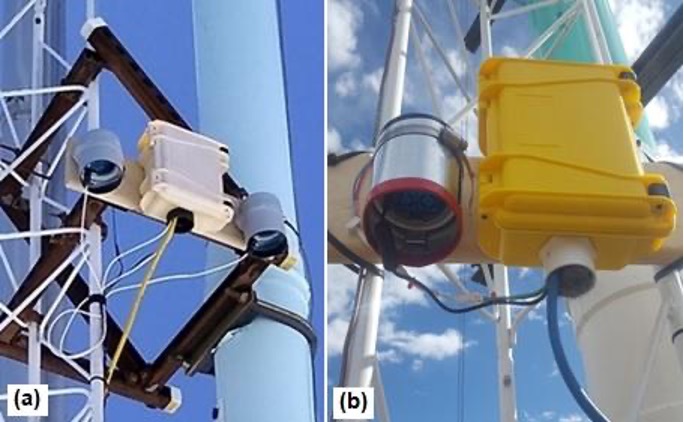
February 16, 2022
A potential application of a low-cost sensor in global aerosol monitoring
New research evaluates the use of a low-cost, widely-used PurpleAir sensor to estimate aerosol light scattering properties.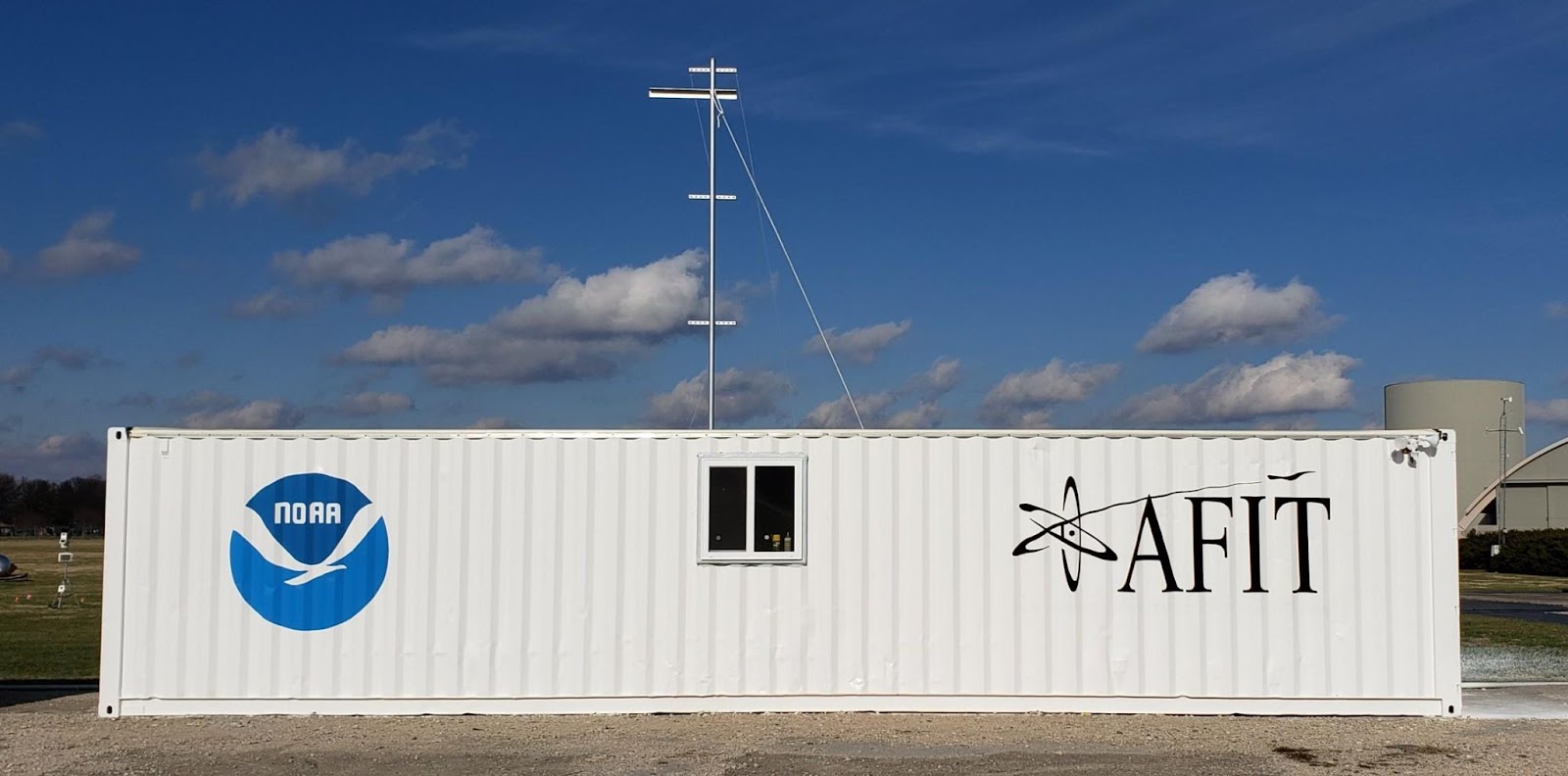
February 10, 2022
A new site is installed for the NOAA Federated Aerosol Network
A new site was installed for the NOAA Federated Aerosol Network (NFAN) in January 2022. The new station will be operated by the Air Force Institute of Technology at the Wright Patterson Air Force Base, Ohio.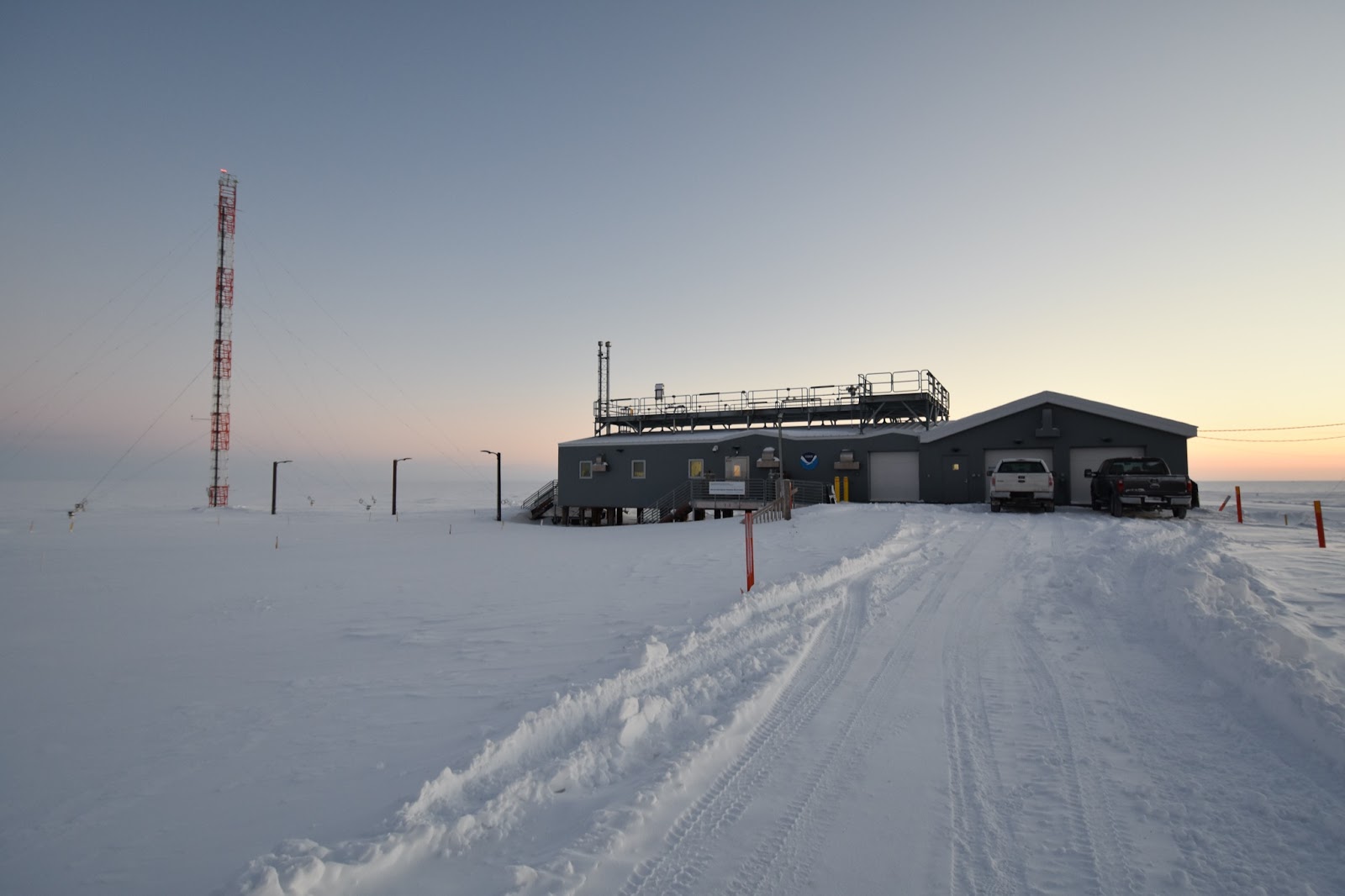
January 28, 2022
The new GML Barrow Observatory facility is officially LEED Silver
The new building for the NOAA Barrow Atmospheric Baseline Observatory was officially certified as LEED Silver by the U.S. Green Building Council (USGBC).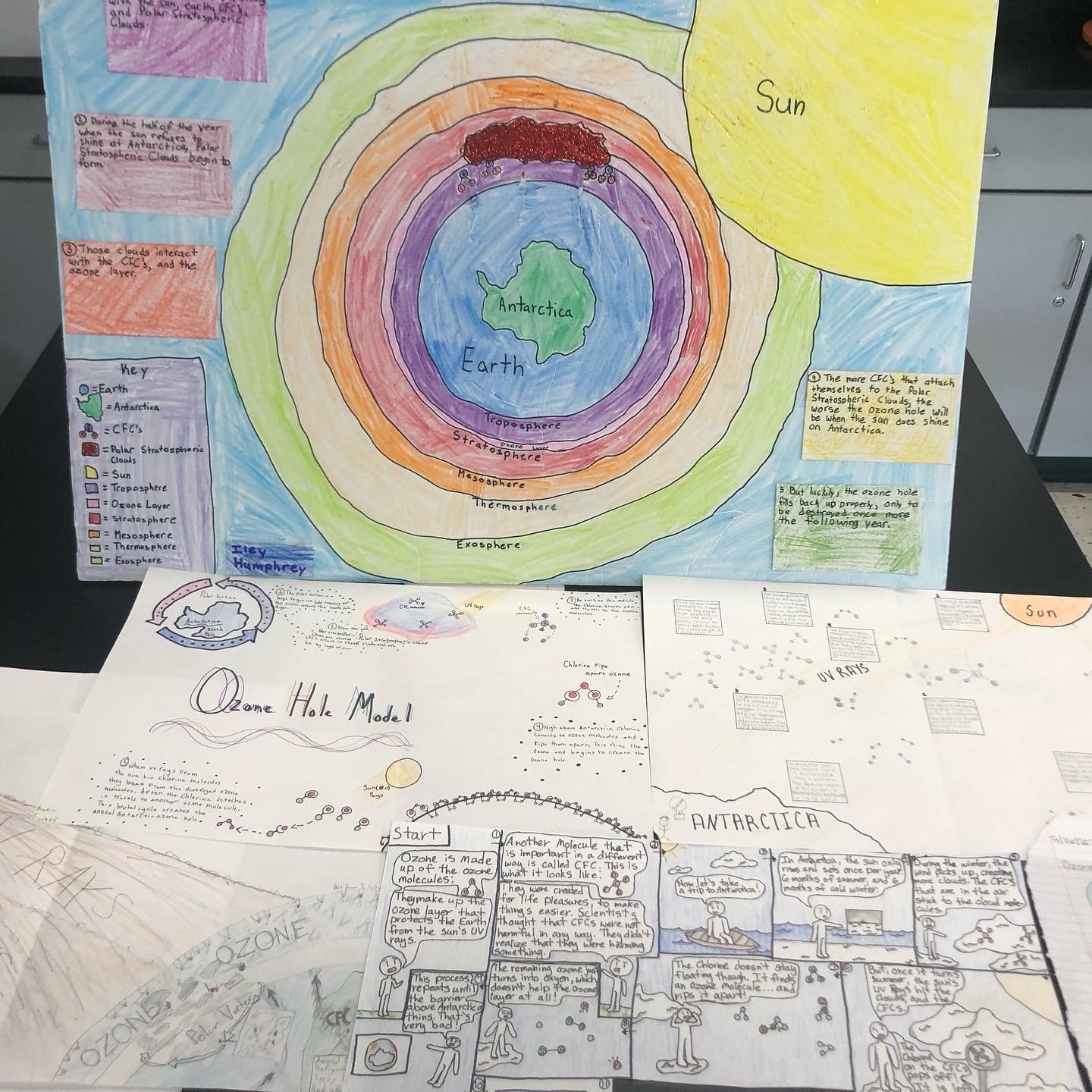
January 6, 2022
A lucky guess? Learn the science of ozone depletion with NOAA and NASA!
As NOAA and NASA announced the 2021 Antarctic ozone hole condition on October 27, the 8th- and 9th-grade science classroom at Lafayette Junior/Senior High School also concluded their first science project on ozone hole prediction.
December 9, 2021
GML highlights at AGU 2021 Fall Meeting
GML and CIRES researchers talks and posters at the 2021 Fall Meeting of the American Geophysical Union.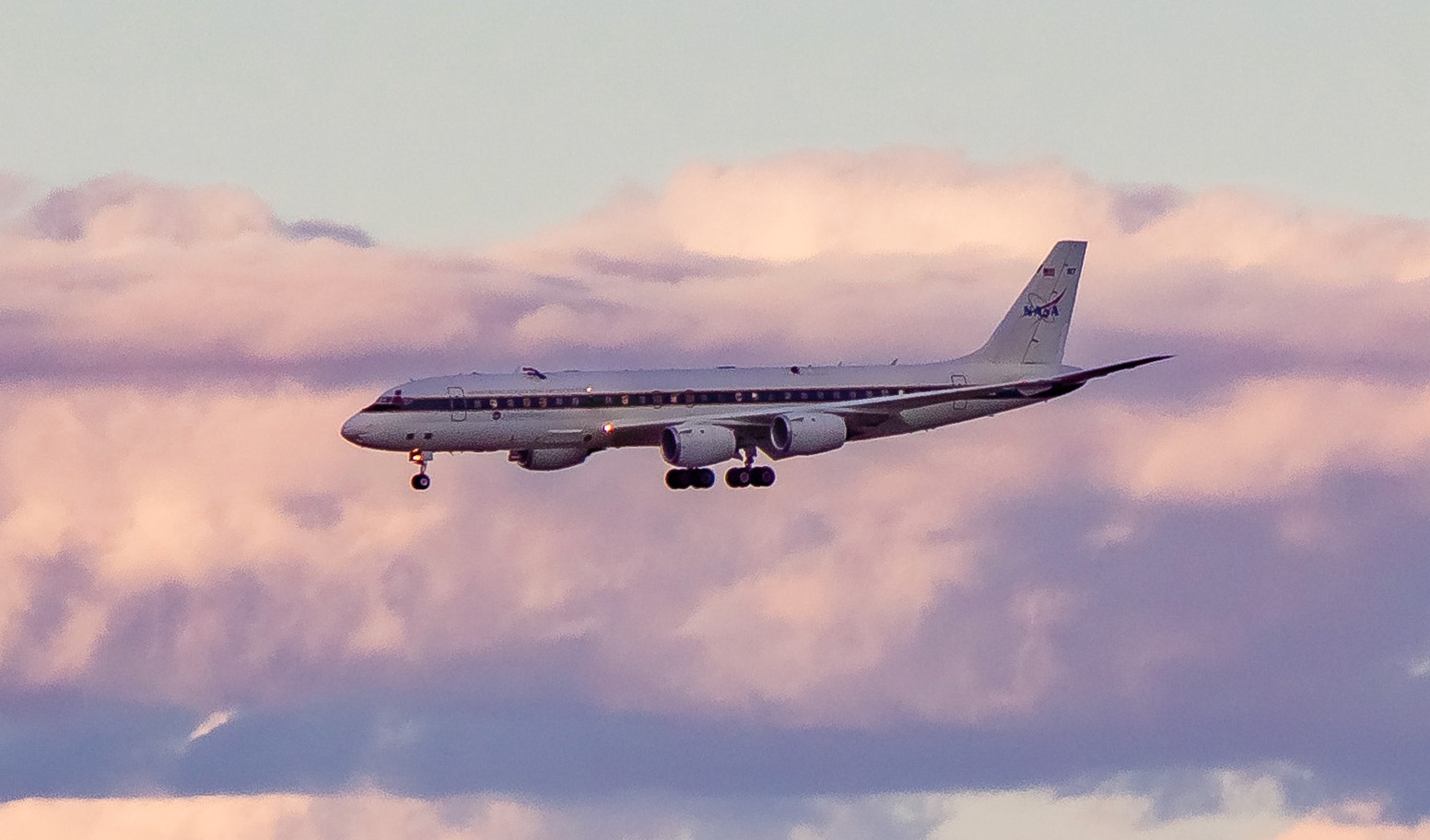
December 7, 2021
Southern Ocean confirmed as strong carbon dioxide sink
A new study published this week in the journal Science confirms the role of the Southern Ocean as a significant carbon sink.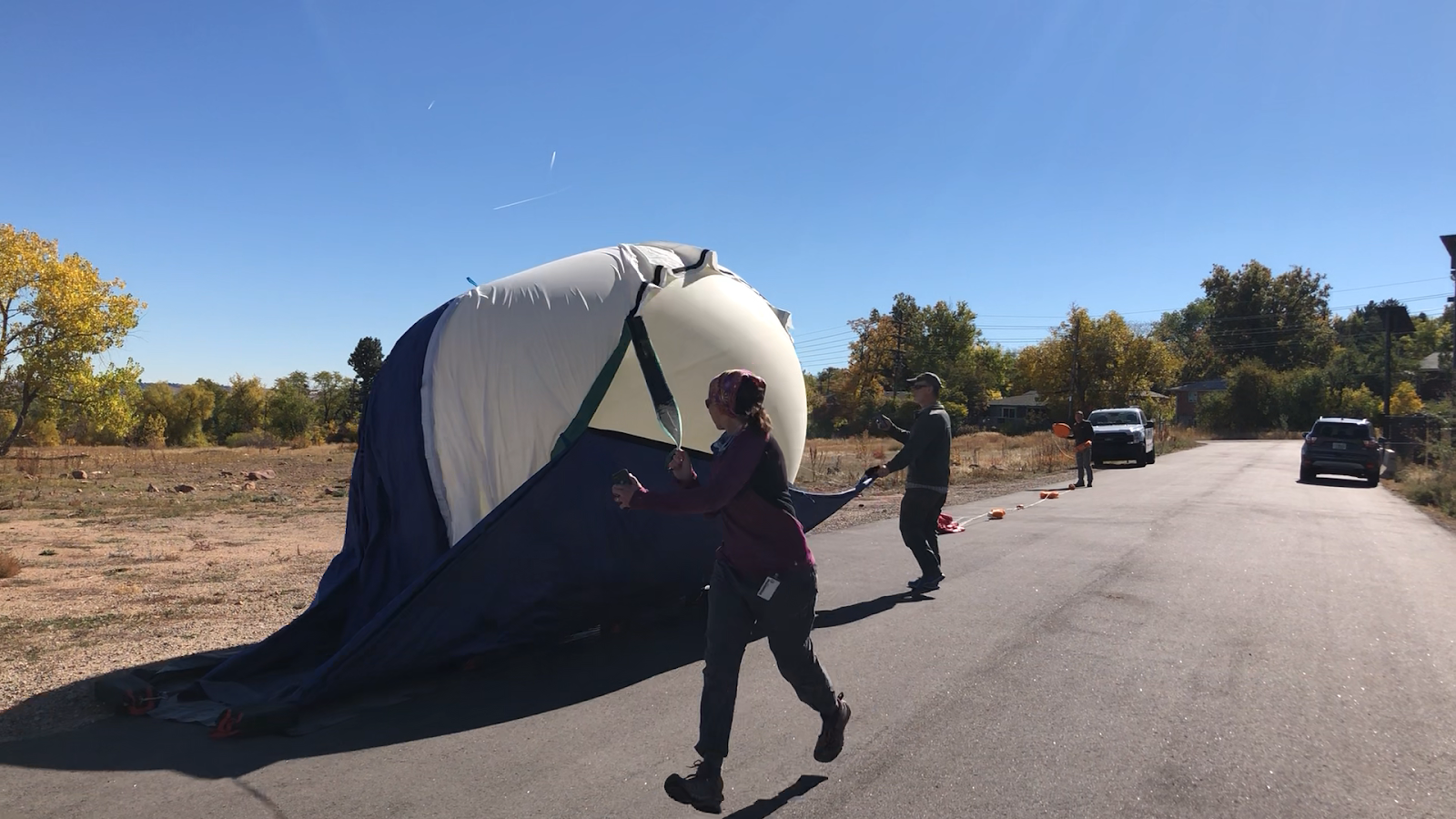
December 1, 2021
GML's StratoCore will open a new era to study the stratosphere
GML and CIRES scientists are currently redesigning NOAA's balloon-borne AirCore sampler and increasing the number of gases measured from these samples.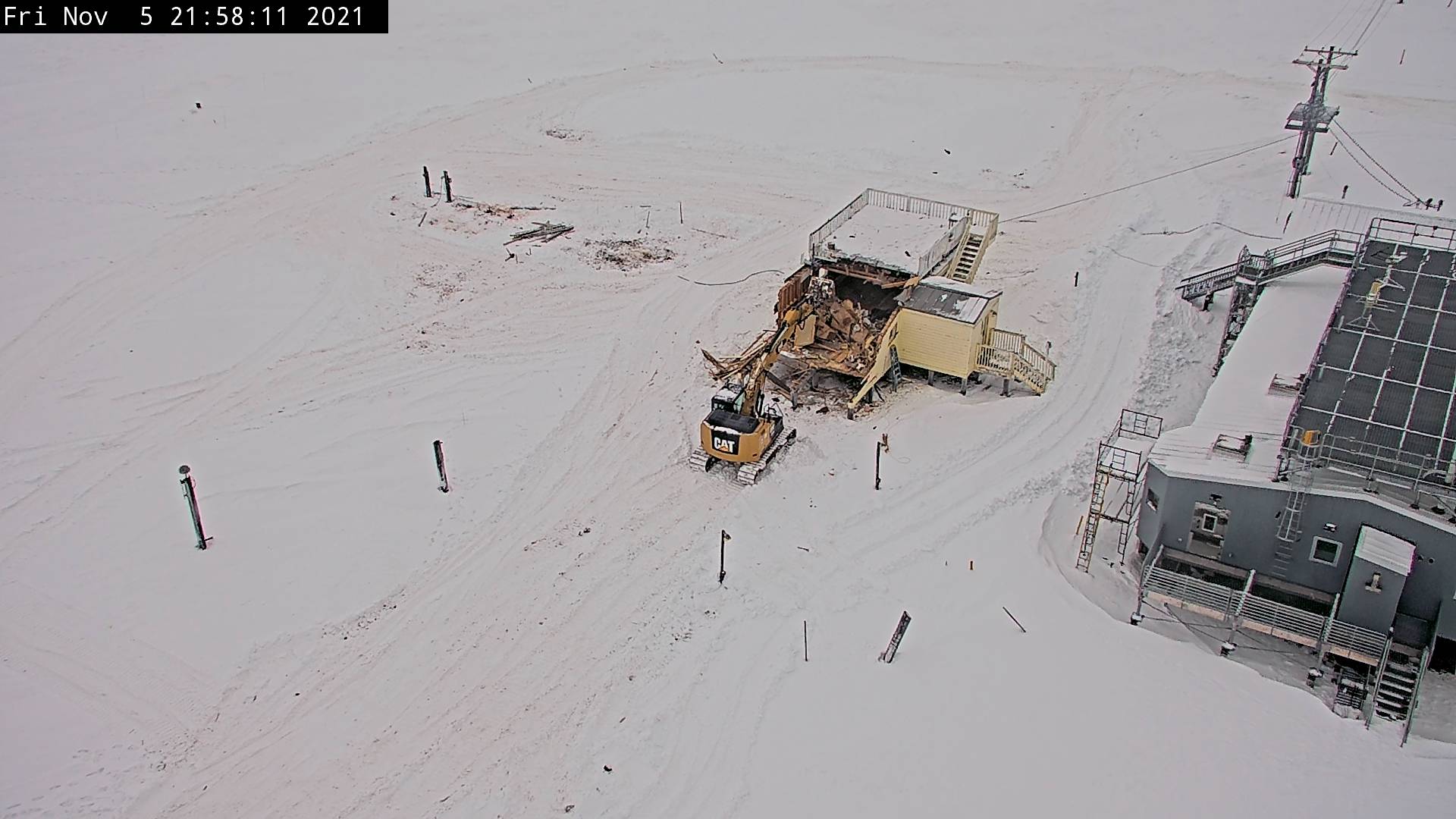
November 17, 2021
The Barrow Atmospheric Baseline Observatory revitalization project is coming to an end
Demolition of the original laboratory building at GML’s Barrow Atmospheric Baseline Observatory began on October 15, ending its almost 50 years of service since 1972. The demolition of the original laboratory building is the last part of the Barrow Atmospheric Baseline Observatory revitalization project.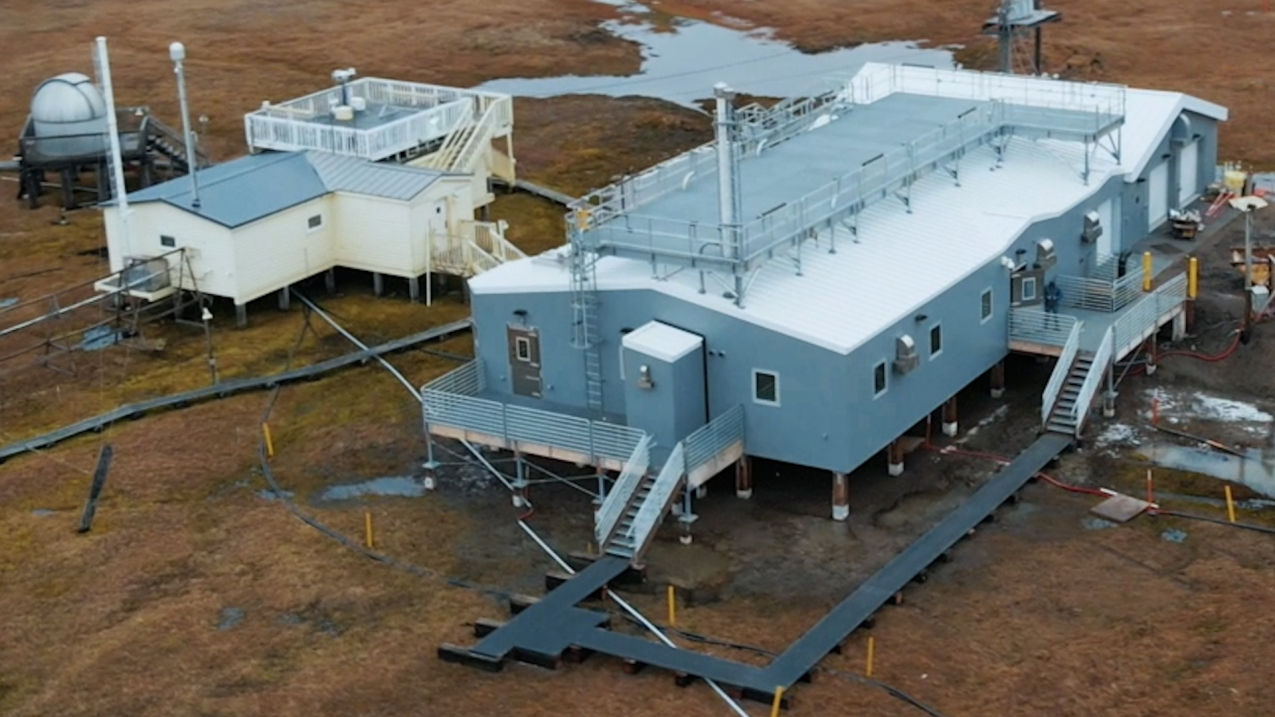
November 16, 2021
A Window on the World
For nearly 50 years, NOAA’s Barrow Atmospheric Baseline Observatory has provided a window on the world, producing a record of changes at the U.S.'s northernmost tip that have a profound global reach.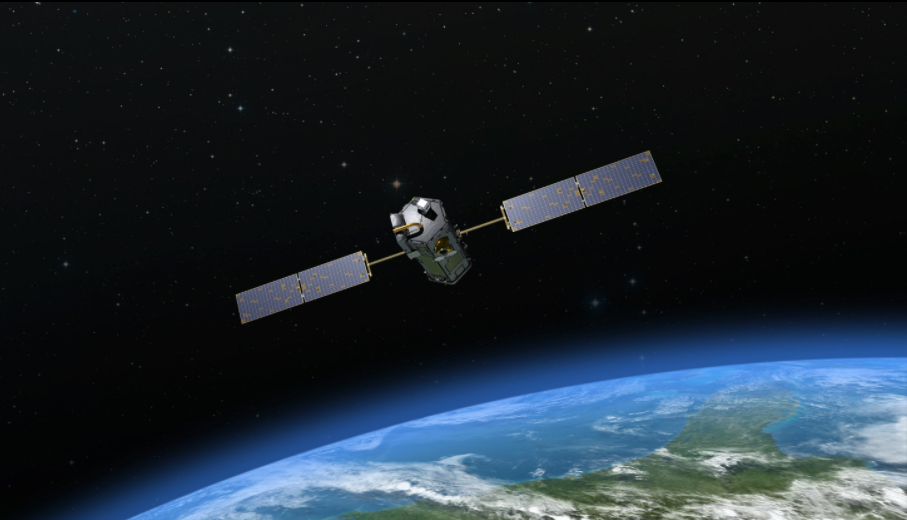
November 5, 2021
NOAA data shed new light to improve NASA satellite products for carbon dioxide
New research shows that systematic errors in the OCO-2 total column CO2 products can be large enough to confound reliable surface flux estimation.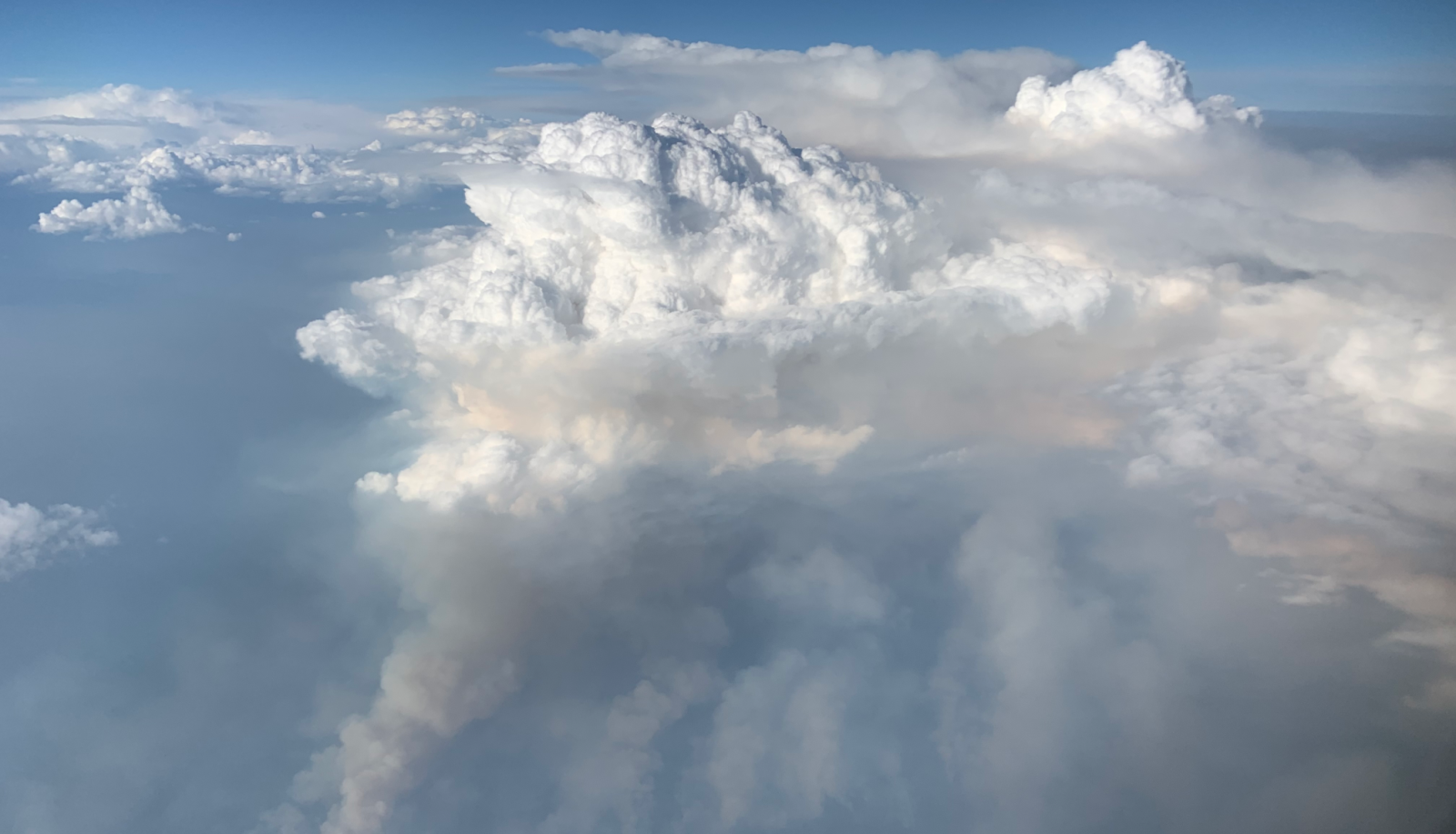
November 5, 2021
Atmospheric carbon dioxide rebounds as global pollution rates approach pre-Covid levels
Global carbon emissions are projected to bounce back to 36.4 billion metric tons this year after an unprecedented drop caused by the response to the coronavirus pandemic.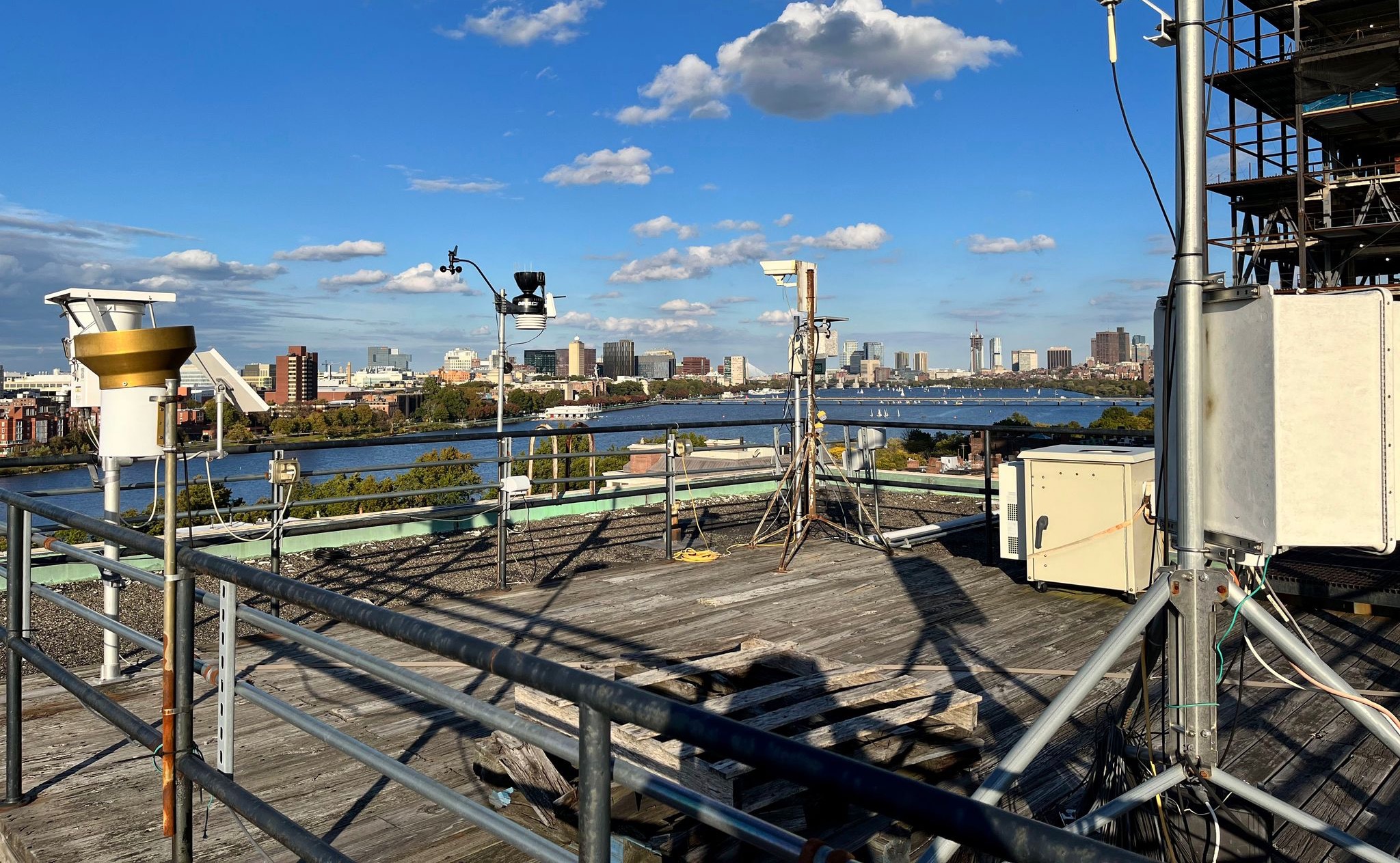
November 2, 2021
Urban areas across the U.S. are undercounting methane emissions, a new study shows
An eight-year study of Boston’s natural gas system has revealed that emissions of methane, a powerful greenhouse gas, are significantly higher than previously estimated.